
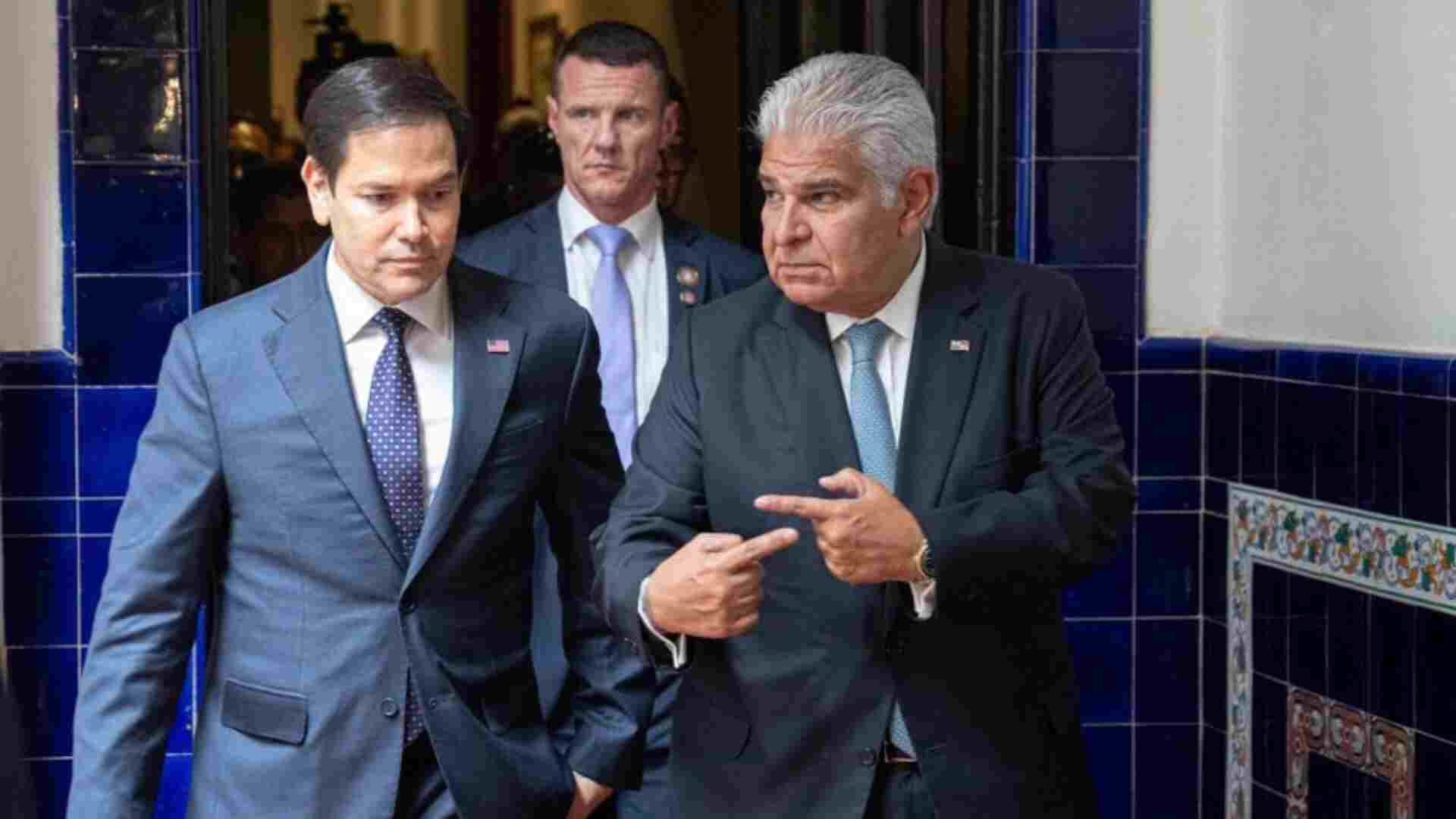

Panama’s President José Raúl Mulino has decided to end a major agreement with China after meeting with U.S. Secretary of State Marco Rubio. His decision came after U.S. President Donald Trump warned that China was gaining too much influence over the Panama Canal.
Panama Asserts Control Over the Canal
During the meeting, Mulino reassured that Panama’s sovereignty over the 51-mile canal would remain unchanged. Since the canal connects the Pacific Ocean and the Caribbean Sea, it plays a vital role in global trade. However, he took a firm stance against China. Instead of renewing the 2017 Memorandum of Understanding (MoU) with China, he chose to end the deal. This agreement had originally allowed Panama to participate in China’s Belt and Road Initiative.Strengthening Ties with the U.S.
Moving forward, Mulino expressed his commitment to working closely with the U.S. "I think this visit opens the door to build new relations … and try to increase as much as possible U.S. investments in Panama," he told reporters after his meeting with Rubio.Trump Warns of U.S. Takeover
Shortly after taking office, Trump issued a strong warning. He made it clear that if Panama continued strengthening ties with China, the U.S. could take back control of the canal. According to him, ensuring control over the canal is essential for U.S. national security. After all, the United States built the canal and completed it in 1914. Although the U.S. managed the canal for decades, it later transferred ownership to Panama in 1999 under a treaty signed by President Jimmy Carter.Rubio Pushes Back Against China’s Influence
During his visit, Marco Rubio reinforced Trump’s stance. He demanded that Panama reduce China’s involvement in the canal. To emphasize his point, he posted on X (formerly Twitter): "Had the pleasure of meeting the incredible @USEmbPAN team during my first embassy meet and greet in my new role as Secretary of State! Thankful for their dedication and ongoing efforts to promoting President Trump’s vision of an America First foreign policy." Furthermore, he stated: "The United States cannot, and will not, allow the Chinese Communist Party to continue with its effective and growing control over the Panama Canal area."According to the U.S. Department of State, 72% of all ships using the canal either originate from or are destined for the U.S. This highlights how important the canal is for American trade and global supply chains.I met with Panamanian President @JoseRaulMulino and Foreign Minister @javierachapma to make clear that the United States cannot, and will not, allow the Chinese Communist Party to continue with its effective and growing control over the Panama Canal area. We also discussed… pic.twitter.com/Hj0pXGahqk
— Secretary Marco Rubio (@SecRubio) February 2, 2025