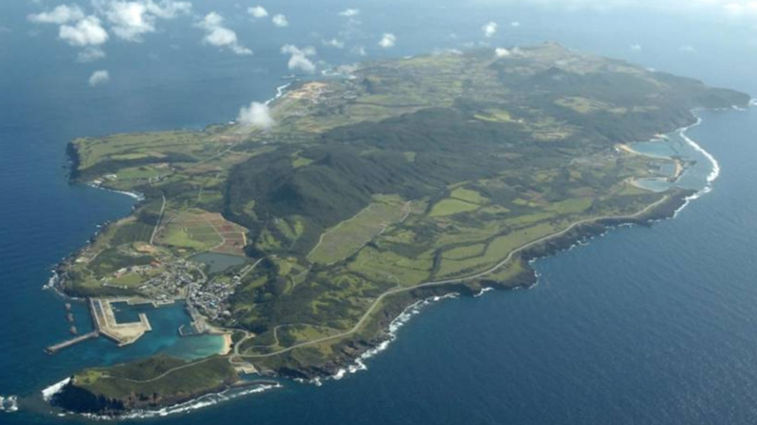
Japan is rapidly increasing its military presence on Yonaguni Island near Taiwan. The government plans to station a new missile unit and expand the island's small airport and port.
Yonaguni’s Strategic Location
Yonaguni, part of Okinawa Prefecture’s Yaeyama Islands, lies about 108 kilometers from Taiwan’s east coast. Although fewer than 2,000 people live there, the Japanese government has already set up military facilities, sparking mixed reactions among residents.
A Unique Tourist Destination
Despite its growing militarization, Yonaguni remains a popular destination. Tourists visit to see hammerhead sharks and explore the mysterious Yonaguni Monument, a submerged rock formation.
Security vs. Environmental Concerns
While some praise the military buildup for strengthening security, environmental experts worry about its impact. The island's forested mountains now have radar sites. In addition, a southern cattle ranch has turned into Camp Yonaguni, a base for the Japanese Ground Self-Defense Force. Furthermore, Japan and the US have conducted joint exercises on the island.
Rising Geopolitical Tensions
Yonaguni has become a critical frontline in a potential Taiwan conflict. Since China claims Taiwan as its own, it has increased its military activity in the region. "As a child, I was proud of this westernmost island," said resident Fumie Kano. "But now, we keep hearing it’s dangerous, and that makes me sad."
Military Expansion and Its Effects
The island’s population is feeling the effects. Supporters believe military expansion boosts security and the economy. However, opponents fear it disrupts the environment, makes the island reliant on the military, and raises the risk of conflict.
Due to China’s growing military presence, Japan has shifted its defense focus to the southwest. As a result, the government has deployed missile units, including PAC-3 interceptors, on Yonaguni, Ishigaki, and Miyako islands.
A Divided Community
Residents are caught in rising geopolitical tensions. The government's recent plan to add more missiles, possibly long-range, has even concerned some early supporters. Kano remembers when officials proposed ferry links with Taiwan to boost the economy and environment. Instead, the island opted for military presence, gaining government subsidies and security.
Referendum and Military Presence
A 2015 referendum approved troop deployment, shaping the island’s future based on national security needs. In 2016, Japan stationed a 160-member coast watch unit to track Chinese military movements. As a result, radar sites were installed on Mount Inbi and other locations. Now, about 210 troops, including an electronic warfare unit, live on Yonaguni. Their families make up a fifth of the population, and the economy depends on them.
Concerns Over Militarization
Many worry about the speed of militarization. "Everything is being done in the name of the Taiwan emergency, and many feel it’s too much," said local potter Kyoko Yamaguchi.
Concerns grew in October when a Japanese army Osprey aircraft crashed during joint drills with the US military. Fortunately, there were no fatalities.
Japan and China Strengthen Military Presence
Japan and China are both increasing their military presence. Naha, Okinawa’s capital, plays a key role in protecting the region. The Southwestern Air Defense Force, based in Naha, is Japan’s busiest regional air force. In 2023, it scrambled jets 401 times—60% of the national total—mainly in response to Chinese activity.
Escalating Tensions
Tensions continue to rise. In August, a Chinese Y-9 reconnaissance plane briefly entered Japanese airspace near Kyushu. In response, Japan scrambled jets and issued a warning. Days later, a Chinese survey ship entered Japan’s territorial waters. In September, the Chinese aircraft carrier Liaoning, accompanied by two destroyers, sailed between Yonaguni and Iriomote, just outside Japanese waters.
Yonaguni’s fisherfolk have witnessed increased Chinese military activity. In 2022, after US House Speaker Nancy Pelosi visited Taiwan, China fired ballistic missiles during military drills. One missile landed just 80 kilometers from Yonaguni, near 20 local fishing boats.
Historical Parallels and Fears
The threat of war over Taiwan brings back painful memories of the Battle of Okinawa. Around 200,000 people died, nearly half of them civilians. Historians say the Japanese army sacrificed Okinawa to protect the mainland. Today, Okinawa still hosts over half of the 50,000 American troops stationed in Japan.
Calls for Strengthening Yonaguni
Yonaguni must be stronger to prevent history from repeating itself, says Mayor Kenichi Itokazu. He has long advocated for more Japanese troops on the island.