
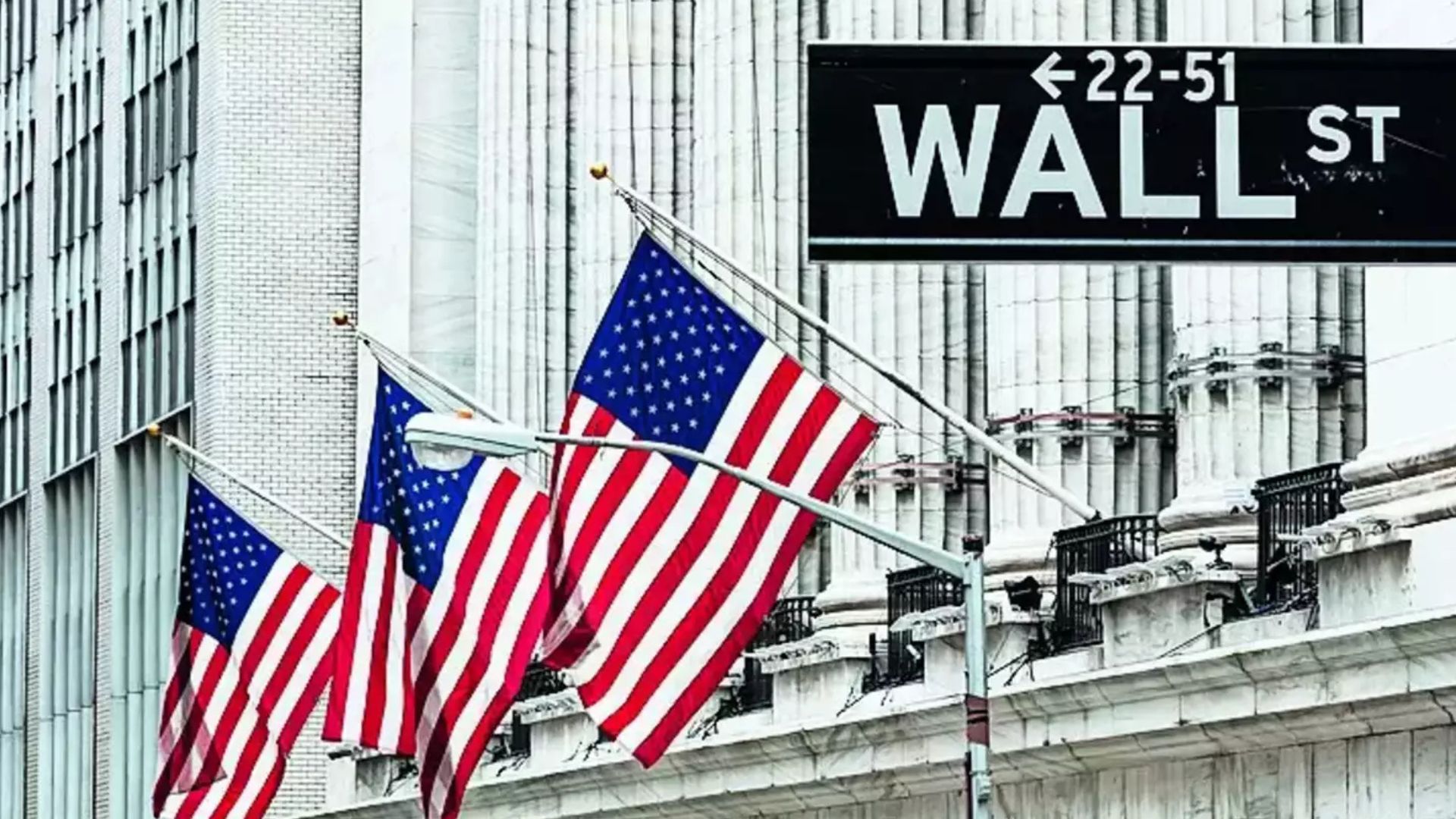

Wall Street may soon enter a bear market again. This time, worries are rising because of the Trump administration’s aggressive tariffs. These added taxes on imports could slow the global economy, according to analysts. The last bear market ended in 2022. However, the current situation reminds many of the rapid crash in 2020. That year, the S&P 500 fell by 34% in just one month, marking the shortest bear market ever.
What Is a Bear Market?
A bear market begins when major indexes like the S&P 500 or the Dow Jones Industrial Average drop at least 20% from a recent high—and stay down. Wall Street uses the bear as a symbol because bears hibernate, which represents a retreat in the market. On the flip side, a rising market is called a bull market, since bulls charge ahead.
Currently, the S&P 500 is down 17.6% from its record high on February 19. On Monday, it fell slightly by 0.2% after plunging as much as 4.7% earlier in the day. The Dow Jones dropped 0.9%, while the Nasdaq composite, already in a bear market, managed a 0.1% gain after recovering from an early slide.
What’s Causing Investor Anxiety?
Investors are nervous due to growing trade tensions. President Trump announced a 10% base tariff on all imports, with even higher rates for countries that have trade surpluses with the U.S. Markets around the world fell sharply after the announcement. Things got worse when China retaliated with tariffs matching the U.S. ones. Tariffs often hurt economies. They are a tax that importers pay, and those costs usually get passed to shoppers. This can lead to higher prices, adding to inflation. Tariffs also make international trade tense, which can hurt all economies involved. Additionally, companies face tough choices. They must rethink suppliers, factory locations, and pricing strategies. That kind of uncertainty slows down business investment, which affects economic growth. At the same time, the U.S. economy is already showing signs of slowing. So these new tariffs are hitting at a difficult moment.
How Long Do Bear Markets Last?
Historically, a bear market takes around 13 months to reach its lowest point and about 27 months to recover, based on data since World War II. On average, the S&P 500 drops 33% during these periods.
The worst decline since 1945 happened between 2007 and 2009, when the S&P 500 lost 57% of its value.
Interestingly, when a market falls quickly into a bear phase, the losses are usually smaller. Fast drops—those that take fewer than 251 days—have typically seen the index fall by 28%.
The longest bear market lasted 61 months, ending in March 1942, and sliced the index by 60%.
When Does a Bear Market End?
Generally, a bear market is considered over when the market rises 20% from its lowest point and continues to go up for at least six months. In March 2020, stocks bounced back quickly. It took less than three weeks for them to rise 20% from the bottom.
What Should Investors Do Now?
Experts say if you don’t need the money right away, it’s often better to hold on to your investments. Selling during a downturn locks in losses. Staying invested gives your portfolio a chance to recover and grow in the long run.
While it’s tempting to sell, many of the best stock market days happen during or right after a bear market. For example, during the 2007–2009 crash, the S&P 500 jumped by 11% on two separate days. Similarly, the market soared over 9% on a few days during and shortly after the 2020 bear market.
Advisers usually recommend investing in stocks only if you won’t need that money for several years. Historically, the S&P 500 has recovered from every bear market to hit new all-time highs.
Even after the painful losses that followed the dot-com bubble in 2000, the market eventually recovered. Though some stretches have been tough, long-term investors have often come out ahead.