
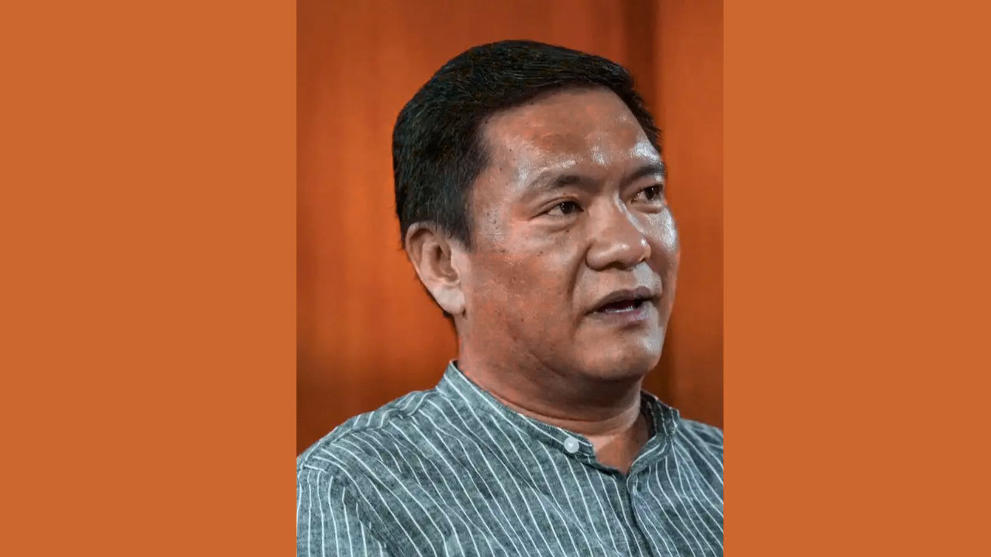

Arunachal Pradesh Chief Minister Pema Khandu has clarified that no Indian state, including Arunachal, shares a direct border with China. Instead, he stressed that these states border Tibet, which China forcefully occupied in 1950.
“Let me correct you here. We share a border with Tibet and not China,” he said. His comments come soon after China expressed interest in reviving talks with India to resolve the long-running border dispute and discuss boundary delimitation.
Border Geography Explained
Khandu explained the geographical borders of Arunachal Pradesh. He said the state shares:
-
About 100 km with Bhutan
-
Around 1,200 km with Tibet
-
And roughly 550 km with Myanmar
Khandu highlighted that while the border lies with Tibet, China’s current control over the region cannot be ignored. He indirectly reminded that Tibet, once independent, was annexed by China decades ago.
India-China Dispute Still Ongoing
India and China have been involved in a tense border standoff for years, especially after skirmishes in recent times. China continues to claim parts of Indian territory, particularly in Arunachal Pradesh.
To find a solution, both countries have created a Special Representatives (SRs) mechanism. Recently, China’s foreign ministry spokesperson Mao Ning said China is willing to negotiate the boundary and ensure peace along the border areas.
Khandu Bats for Bharat Ratna for Dalai Lama
During the same interview, Khandu also praised the Dalai Lama, calling him a symbol of peace and compassion. He urged the Indian government to award the Bharat Ratna—India’s highest civilian honour—to the Tibetan spiritual leader.
Major Concern Over China’s Mega Dam
Khandu also raised a serious warning about China’s large dam project on the Brahmaputra River, calling it an even bigger threat than military aggression. He described the under-construction dam as a “ticking water bomb” that could severely impact both people and nature in Arunachal Pradesh.
“Setting aside the military threat from China, this dam is a far bigger issue,” Khandu said. “It could cause an existential threat to our tribes and our livelihoods. It’s quite serious because China could even use this as a kind of ‘water bomb.’”
Why the Dam Is a Bigger Worry
The dam, known as the Yarlung Tsangpo project—the Tibetan name for the Brahmaputra—was first announced after Chinese Premier Li Keqiang’s visit in 2021.
Khandu pointed out a key concern: China is not part of any international water-sharing agreements. This means China has no legal obligation to follow global rules on river water usage. He added that China’s unpredictable actions, combined with its lack of commitment to international treaties, make the dam project even more alarmin
Pema Khandu Says Indian States Border Tibet, Not China
Arunachal Pradesh Chief Minister Pema Khandu has clarified that no Indian state, including Arunachal, shares a direct border with China. Instead, he stressed that these states border Tibet, which China forcefully occupied in 1950. “Let me correct you here. We share a border with Tibet and not China,” he said.
His comments come soon after China expressed interest in reviving talks with India to resolve the long-running border dispute and discuss boundary delimitation.
Border Geography Explained
In an interview with PTI, Khandu explained the geographical borders of Arunachal Pradesh. He said the state shares:
-
About 100 km with Bhutan
-
Around 1,200 km with Tibet
-
And roughly 550 km with Myanmar
Khandu highlighted that while the border lies with Tibet, China’s current control over the region cannot be ignored. He indirectly reminded that Tibet, once independent, was annexed by China decades ago.
India-China Dispute Still Ongoing
India and China have been involved in a tense border standoff for years, especially after skirmishes in recent times. China continues to claim parts of Indian territory, particularly in Arunachal Pradesh.
To find a solution, both countries have created a Special Representatives (SRs) mechanism. Recently, China’s foreign ministry spokesperson Mao Ning said China is willing to negotiate the boundary and ensure peace along the border areas.
Khandu Bats for Bharat Ratna for Dalai Lama
During the same interview, Khandu also praised the Dalai Lama, calling him a symbol of peace and compassion. He urged the Indian government to award the Bharat Ratna—India’s highest civilian honour—to the Tibetan spiritual leader.
Major Concern Over China’s Mega Dam
Khandu also raised a serious warning about China’s large dam project on the Brahmaputra River, calling it an even bigger threat than military aggression. He described the under-construction dam as a “ticking water bomb” that could severely impact both people and nature in Arunachal Pradesh.
“Setting aside the military threat from China, this dam is a far bigger issue,” Khandu said. “It could cause an existential threat to our tribes and our livelihoods. It’s quite serious because China could even use this as a kind of ‘water bomb.’”
Why the Dam Is a Bigger Worry
The dam, known as the Yarlung Tsangpo project—the Tibetan name for the Brahmaputra—was first announced after Chinese Premier Li Keqiang’s visit in 2021.
Khandu pointed out a key concern: China is not part of any international water-sharing agreements. This means China has no legal obligation to follow global rules on river water usage. He added that China’s unpredictable actions, combined with its lack of commitment to international treaties, make the dam project even more alarming.