

The US Department of Health and Human Services (HHS) has decided to stop funding multiple vaccine projects that use mRNA technology. These projects focused on fighting respiratory viruses like COVID-19 and the flu.
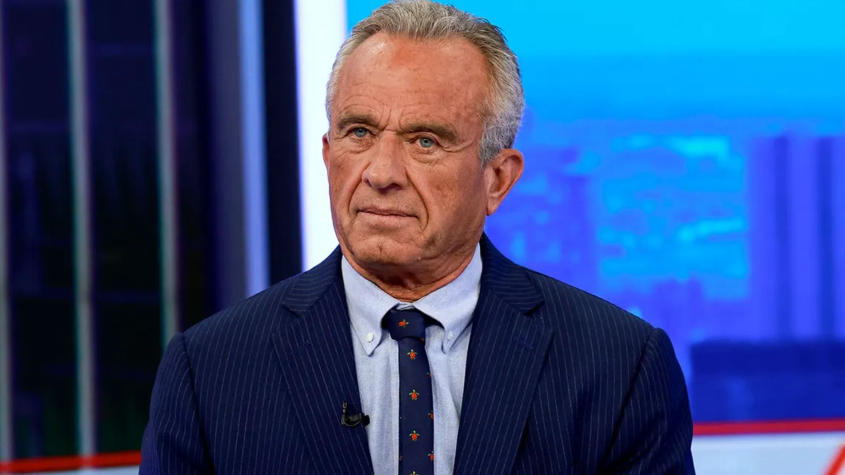
On Tuesday, Health Secretary Robert F. Kennedy Jr. announced the cancellation of 22 vaccine projects. These programs used mRNA and were worth around $500 million in total.
This decision reflects Kennedy’s long-standing doubts about vaccines, especially those that use mRNA.
Kennedy Takes Strong Stand Against mRNA
Since taking office, Kennedy has changed the government's stance on COVID-19 vaccines. He also removed the expert panel that gave vaccine advice. He has avoided clearly supporting immunisation, even though diseases like measles are making a comeback.
In a video posted on social media, Kennedy criticised mRNA vaccines. He said this move would impact big pharmaceutical companies like Pfizer and Moderna. Both companies are working on mRNA-based vaccines for COVID-19, the flu, and bird flu (H5N1).
Kennedy said, “To replace the troubled mRNA programs, we’re prioritising the development of safer, broader vaccine strategies, like whole-virus vaccines and new platforms that don’t fail when viruses mutate.”
Experts Strongly Oppose the Decision
However, public health experts have reacted sharply. Mike Osterholm, an infectious disease expert at the University of Minnesota, called the move “the most dangerous decision in public health” he has seen in 50 years. He said mRNA technology is vital because it helps make vaccines quickly during outbreaks.
Dr. Paul Offit, a vaccine expert from the Children’s Hospital of Philadelphia, also expressed concern. He said the move was especially risky because of the threat of bird flu. According to him, “mRNA vaccines have certainly saved millions of lives.”
mRNA Technology Has Broader Potential
Scientists are also testing mRNA for other uses, such as cancer treatments. Earlier this year, billionaire Larry Ellison praised the future of mRNA in cancer research during a White House event.
Unlike traditional vaccines, which require growing viruses in labs using eggs or cell cultures, mRNA vaccines use a small genetic code. This code teaches the body to make a harmless part of the virus. That is enough to trigger an immune response.
Not a Full Ban, Says HHS
The HHS clarified that the cancellation affects only the 22 mRNA vaccine projects. Other uses of the technology within the department will continue.
Currently, mRNA vaccines have full approval for COVID-19 and RSV. However, no mRNA-based flu vaccine has received approval yet. Moderna is working on a combined COVID-flu mRNA shot. The company believes mRNA could speed up flu vaccine production when compared to traditional methods.