
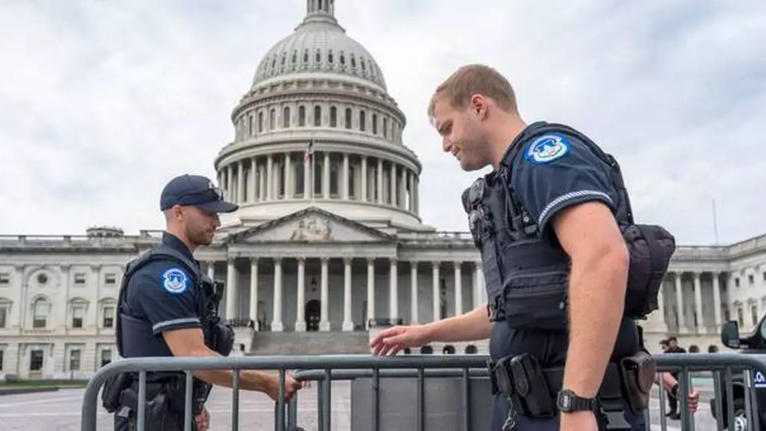

The United States entered its first government shutdown in more than six years after lawmakers failed to approve federal funding. The shutdown started after Congress could not agree on a budget before the fiscal year ended on Tuesday.
Despite intense talks, Democrats and Republicans could not reach a deal. US President Donald Trump commented on the shutdown, saying, “So we’d be laying off a lot of people that are going to be very affected. And they’re Democrats, they’re going to be Democrats.” He added, “A lot of good can come down from shutdowns” and said he would use the pause to “get rid of a lot of things we didn’t want, and they’d be Democrat things.”
The White House Office of Management and Budget confirmed the shutdown in a memo and blamed Democrats for the deadlock. The memo instructed agencies to execute plans for an orderly shutdown. It told employees to report for work to carry out shutdown tasks, while warning that the duration is unpredictable.
What Happens During a Shutdown?
A shutdown occurs when government agencies close temporarily due to lack of funding. Non-essential federal workers are put on leave without pay, known as furlough. Essential services, such as social security, postal services, and immigration control, continue, but employees do not get paid until the shutdown ends.
The US has faced shutdowns before. The longest lasted 35 days in 2018-2019 under Trump. About 340,000 federal workers were furloughed.
Why Did the Shutdown Happen?
Every year, Congress drafts spending bills for government agencies. Often, they do not finish before the fiscal year begins on October 1. In such cases, lawmakers pass temporary bills to avoid disruption.
This year, Democrats and Republicans clashed over healthcare. Key issues include health insurance subsidies for low-income individuals and reversing Medicaid cuts. Senate Democratic Leader Chuck Schumer accused Republicans of trying to “bully” Democrats by refusing to extend Affordable Care Act tax credits.
With no compromise, hundreds of thousands of federal workers may now be furloughed or laid off.
Services That Remain Open
Some services continue because they are essential:
-
Social Security, Medicare, and Medicaid programs operate, but staffing cuts may delay benefits.
-
Food aid programs like SNAP and WIC continue as funds allow.
-
Postal services run normally since USPS does not rely on Congress for funding.
-
Air travel continues, but 13,000 air traffic controllers work without pay, which may cause delays.
-
Active-duty military and most veterans’ benefits continue, though paychecks may be delayed.
-
FBI, DEA, Coast Guard, ICE, and CBP agents continue operations.
-
Courts generally remain open, though federal courts may reduce services if the shutdown continues.
Services That Close
Some services stop completely:
-
National parks may close or offer limited services.
-
Visitor centers and tours at federal buildings, including the US Capitol, White House, and FBI headquarters, may shut.
-
Smithsonian museums and the National Zoo could close if the shutdown extends.
-
Bureau of Labor Statistics’ monthly jobs report may be delayed.
Impact on the US Economy
A shutdown can harm the economy. Economists Kathy Bostjancic and Oren Klachkin say GDP growth could fall by 0.2 percentage points per week.
Political science professor Tim Hagle said effects may take a few days to appear. During the 2018-2019 shutdown, air travel faced problems as some air traffic controllers took extra jobs to supplement income.
Shutdowns can also disrupt public services. In the last shutdown, the National Park Service could not maintain facilities. Toilets closed, trash collection stopped, and garbage piled up, causing environmental and safety issues.
What Comes Next?
The shutdown will continue until lawmakers reach a funding deal. Until then, federal operations remain limited. Americans will have to wait to see how long the shutdown lasts and its full impact.