
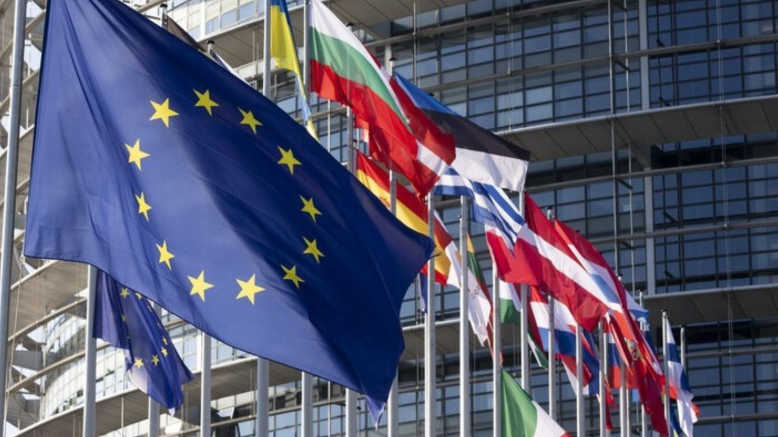

The European Parliament has put a US–EU trade deal on hold. Lawmakers took the step after US President Donald Trump repeatedly threatened to seize Greenland, a Danish territory.
Parliament’s trade committee was due to set its position on January 26–27. It has now postponed the vote.
Trump’s comments have strained ties between the United States and the European Union. The 27-member bloc has reacted strongly to what it sees as a threat to sovereignty.
Tariff threats trigger action
The trade deal became entangled in the Greenland dispute. Trump warned that he would impose tariffs on several European countries unless the US could buy the island.
On Wednesday, he withdrew those tariff threats. He said he had agreed with NATO leaders on a “framework of a future deal” on Arctic security. The US dropped the proposed tariffs on eight European nations.
Even so, the earlier warning forced EU lawmakers to rethink the trade agreement reached last July.
What the deal proposes
Under the deal, most EU exports to the US would face a 15 per cent tariff. In return, the EU would remove all tariffs on US industrial goods and some farm products.
Both sides have already applied parts of the agreement. However, the deal still needs approval from the European Parliament to become final.
Trade committee cites sovereignty concerns
Bernd Lange, who chairs Parliament’s trade committee, explained the decision clearly.
“By threatening the territorial integrity and sovereignty of an EU member state and by using tariffs as a coercive instrument, the US is undermining the stability and predictability of EU-US trade relations,” he said.
He added, “We have been left with no alternative but to suspend work” on the deal “until the US decides to reengage on a path of cooperation rather than confrontation.”
Parliament leaders issue warning
Manfred Weber, head of the European People’s Party, said trust must come first.
“For us as EPP, and I think for all parliamentarians, it’s clear there will be no ratification, no zero percentage tariff access to the EU for US products until we have clarified the question of reliability,” he said.
European Commission President Ursula von der Leyen also sent a clear message.
“Europe prefers dialogue and solutions, but we are fully prepared to act, if necessary, with unity, urgency and determination,” she told lawmakers.
Uneven deal under scrutiny
Several EU lawmakers say the deal favours the US. The EU would cut most import duties. The US would still keep a broad 15 per cent tariff.
Despite these concerns, many lawmakers had earlier signalled acceptance. They wanted safeguards, including an 18-month sunset clause and steps to manage any surge in US imports.
For now, the Greenland dispute has halted the deal.