
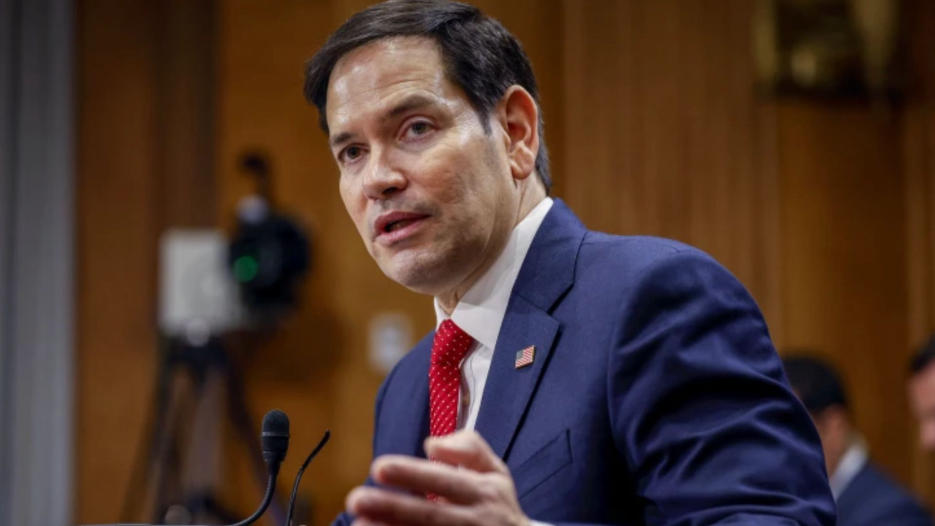

US Secretary of State Marco Rubio said on Wednesday that Venezuela’s interim government has agreed to submit a monthly “budget” to the Trump administration. The move forms part of Washington’s effort to tighten its grip on the Latin American nation.
Rubio said the approved budget will unlock money from an account funded by Venezuela’s oil sales. Qatar initially managed this account.
First testimony since Maduro’s capture
Rubio spoke during a hearing of the Senate Foreign Relations Committee. This marked his first public testimony to Congress since US forces captured Venezuela’s leader, Nicolás Maduro, on January 3.
The proposal quickly drew scepticism from Democrats. Rubio admitted the plan was “novel” and created in haste.
US rules out immediate military action
Rubio told senators that the Trump administration has built a “very respectful and productive line of communication” with the government led by Delcy Rodríguez, Maduro’s second-in-command.
Because of this engagement, he said the US does not “intend or expect” to use military force against Venezuela “at any time.”
However, Rubio also issued a warning. In his opening remarks, he said the US was “prepared to use force to ensure maximum cooperation” from Ms Rodríguez’s government if other methods fail.
Rubio explains Trump’s oil strategy
Former president Donald Trump had earlier said the US would control Venezuela’s oil and “run the country.” Rubio expanded on that position before the committee.
He said the US would help Venezuela pay for essential public services. Washington would do this by releasing oil revenue that remains under American sanctions.
Money aimed at daily government needs
Rubio said Venezuela faces a serious “fiscal crunch.” He stressed that the plan is temporary and not meant to last.
“They needed money in the immediacy to fund the police officers, the sanitation workers, the daily operations of government,” Rubio said.
He added that Caracas has promised to prioritise health needs. “They have pledged to use a substantial amount of those funds to purchase medicine and equipment directly from the United States," he said.
Why Qatar holds the funds first
Rubio acknowledged that the setup is unusual. Under the plan, oil proceeds will first sit in an offshore account controlled by Qatar. The money will later move to a US Treasury account.
“I understand it’s novel, but it’s the best we could come up with in the short term,” Rubio said.
He explained that US sanctions block Venezuela from normal financial access. He also warned that old creditors could seize the funds. Many claims date back to Venezuela’s seizure of US energy company assets about 20 years ago.
Venezuela silent on proposal
The Venezuelan government has not yet commented on the budget plan or the handling of oil revenues.