

The ongoing conflict involving Israel, the United States, and Iran has brought global attention to Qeshm Island, a highly strategic location in the Persian Gulf. Situated near the Strait of Hormuz, the island is now at the centre of both military action and geopolitical tension.
Earlier this month, Iran accused the United States of targeting civilian infrastructure on the island. Tehran said a desalination plant was hit, disrupting water supply.
“The US committed a blatant and desperate crime by attacking a freshwater desalination plant on Qeshm Island,” Iran’s Foreign Minister Abbas Araghchi posted on X on March 7. “Water supply in 30 villages has been impacted. Attacking Iran’s infrastructure is a dangerous move with grave consequences. The US set this precedent, not Iran,” he added.
What Makes Qeshm Island a Unique Geological Wonder
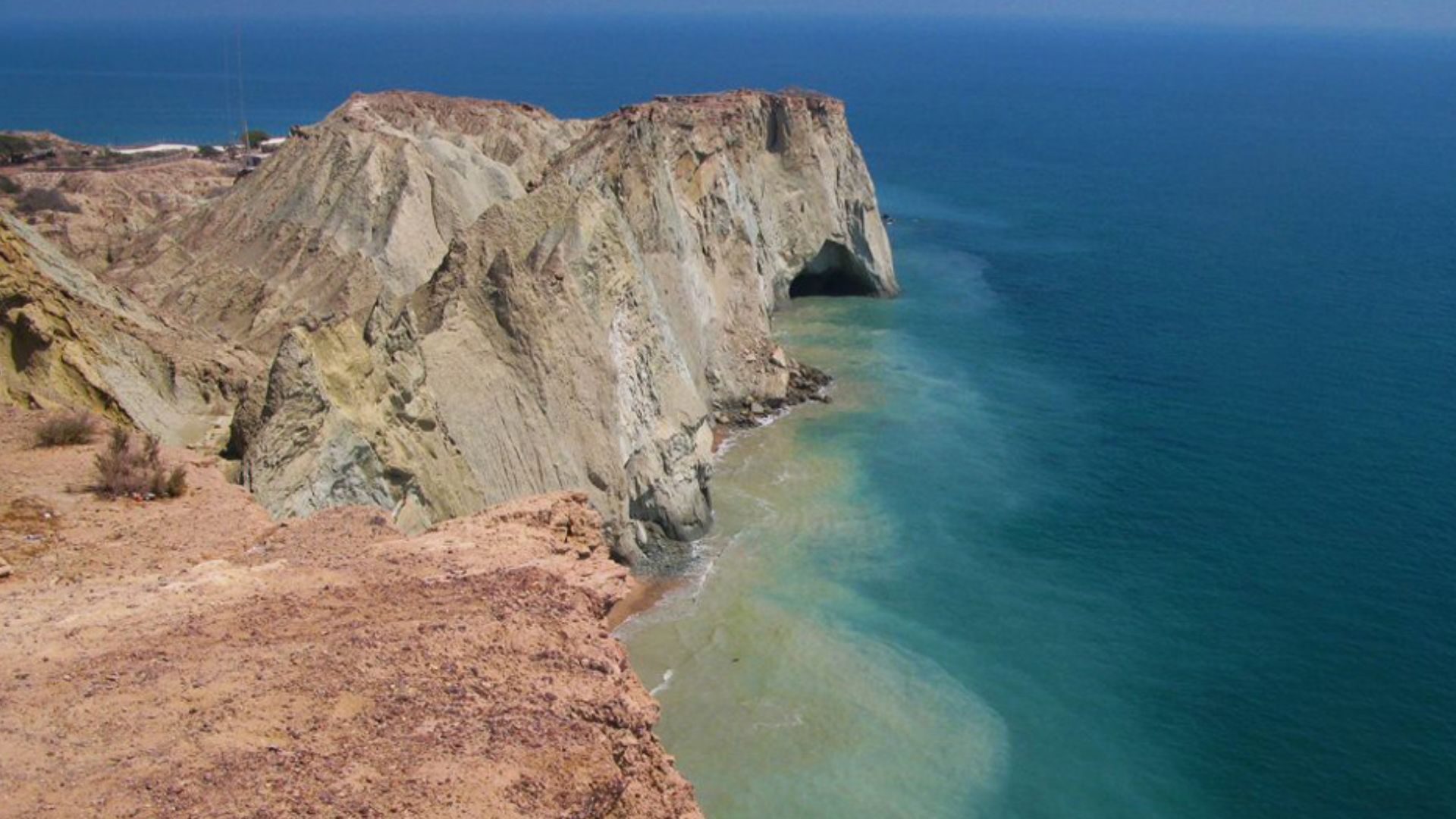
Qeshm Island is widely known as an “open-air geological museum”. It spans about 1,445 square kilometres and is home to nearly 148,000 residents. The island features stunning natural formations, including salt caves, mangrove forests, and eroded rock landscapes. The Valley of Stars stands out with its dramatic canyons and unusual rock pillars shaped over time.
Namakdan Salt Cave contains some of the purest salt in the region. Meanwhile, the Hara mangrove forest supports diverse wildlife and migratory birds. Due to its rich natural heritage, UNESCO recognised Qeshm Geopark in 2006.
Qeshm Island’s Strategic Location Near Strait of Hormuz
Qeshm lies just 22 km from Bandar Abbas and holds major geographic importance. It sits close to the Strait of Hormuz, one of the world’s most critical oil routes. Historically, the island served as a safe base and water source for nearby regions. In 1301, rulers of Hormuz moved their capital here to escape invasions.
Over the centuries, it remained a key military and trade hub. Persian and English forces removed Portuguese control in 1622. Later, the British used it as a naval base until the 19th century.
Inside Qeshm Island’s Underground Missile Cities
Today, Qeshm is not just a trade zone but also a major military stronghold. It hosts Iran’s so-called “underground missile cities”. These hidden facilities store advanced weapons such as ballistic missiles and anti-ship cruise missiles. Iran’s Islamic Revolutionary Guard Corps (IRGC) has also built concealed naval bases on the island.
Experts say these systems give Iran the ability to control or even block the Strait of Hormuz during conflict. This makes Qeshm a key pillar of Iran’s defence strategy.
How Qeshm Island Controls Global Oil Supply Routes
The Strait of Hormuz handles nearly 20 percent of the world’s oil supply. Qeshm acts as a gatekeeper to this vital passage. Amid the ongoing war, Iran has restricted shipping through the strait. While it has not officially closed the route, most vessels now require Iranian approval to pass safely. As a result, global energy markets are feeling the pressure. Fewer ships are moving through the corridor, raising concerns about supply disruptions.
US Response and Rising Military Tensions in the Gulf
In response, the United States is working to secure the waterway. Reports suggest Washington is planning a naval convoy to ensure safe passage for oil tankers. This move highlights the growing importance of Qeshm Island in the conflict. As tensions rise, the island has effectively become a frontline in the battle for control over global trade routes.