
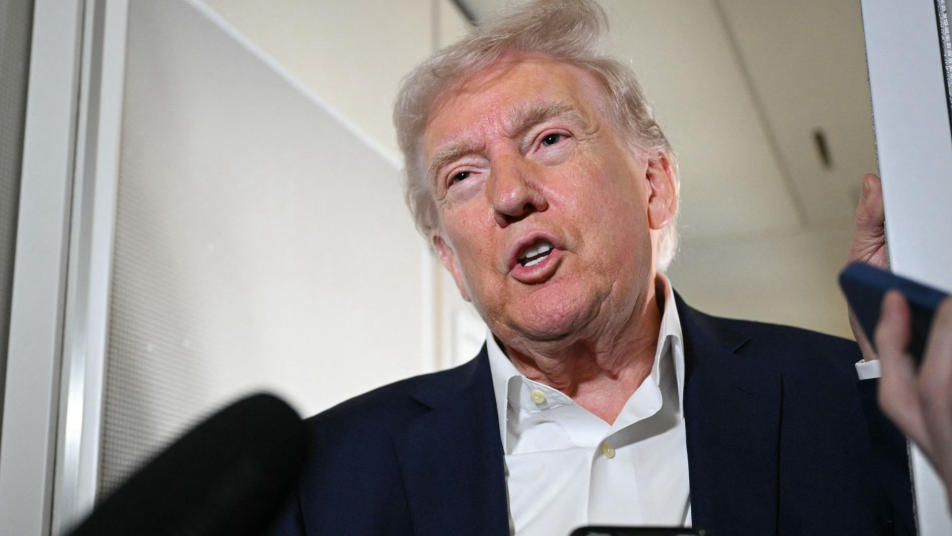

US President Donald Trump has issued a strong warning to Iran, setting a deadline for Tuesday night to reopen the Strait of Hormuz. He cautioned that failure to act could lead to major strikes on the country’s infrastructure.
In an interview with The Wall Street Journal, Trump said, “If they don’t do something by Tuesday evening, they won’t have any power plants and they won’t have any bridges standing,” clearly outlining the potential consequences.
Social Media Message Adds Pressure
Soon after the interview, Trump posted on social media: “Tuesday, 8:00 P.M. Eastern Time!” Although he did not directly name Iran in the post, the message reinforced the urgency of his earlier statement.
Earlier on Sunday, he had already warned that Iran could face attacks on key infrastructure if it failed to reopen the strait, but at that time he had not given a specific deadline.
Rising Tensions in the Region
These developments come at a time of growing tension due to the ongoing conflict involving the United States, Israel, and Iran. The situation has affected major global energy routes, especially the Strait of Hormuz, which is one of the most important passages for oil transport worldwide.
Any disruption in this region can directly impact global oil supply and prices, making the situation critical for international markets.
Mixed Signals on Diplomacy
While maintaining a tough stance, Trump also suggested that diplomatic talks might still be possible. In an interview with Fox News, he said, “If they don’t make a deal and fast, I’m considering blowing everything up and taking over the oil.”
At the same time, he added that there is a “good chance” of reaching an agreement, indicating that negotiations may still be ongoing behind the scenes.
Deadlines Continue to Shift
In recent days, Trump has changed or extended deadlines at least twice. This shows that the situation remains uncertain, with both diplomatic efforts and military threats shaping the timeline.
Global Impact in Focus
The situation around the Strait of Hormuz remains highly unstable. Global markets are closely tracking every development, as any prolonged disruption could significantly affect oil supply chains and lead to sharp changes in energy prices worldwide.