
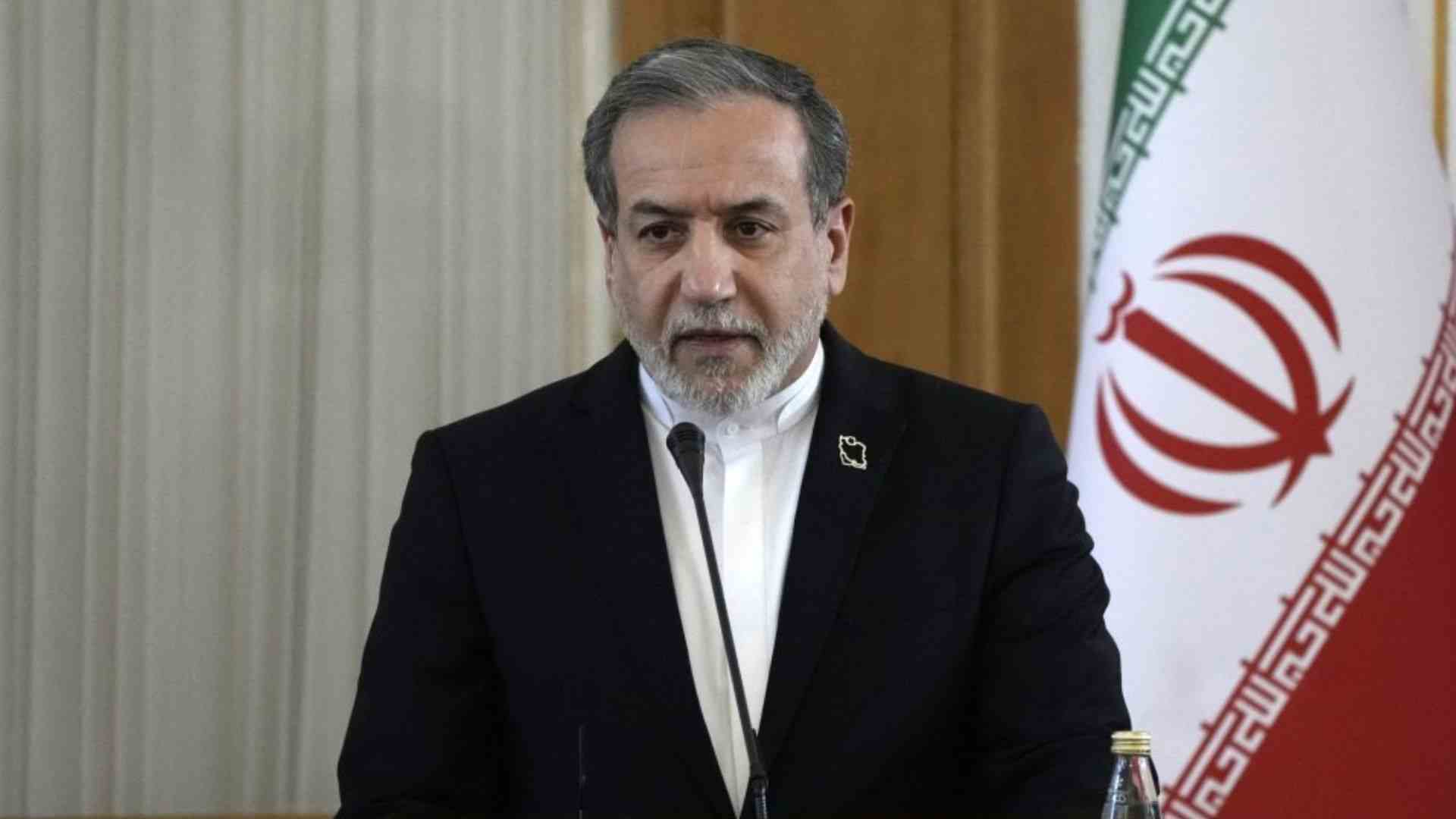

Iran’s President Masoud Pezeshkian and Parliament Speaker Mohammad Bagher Ghalibaf are reportedly unhappy with Foreign Minister Abbas Araghchi. According to reports, both leaders are considering removing Araghchi from his position. They believe he has not followed the government’s direction during negotiations with the United States.
Allegations of Bypassing Leadership
Reports claim that Araghchi has been taking instructions from the Islamic Revolutionary Guard Corps instead of coordinating with the president. Sources also suggest that he failed to keep President Pezeshkian informed about recent developments in nuclear talks over the past two weeks. Because of this, Pezeshkian is said to be frustrated. According to reports, he has told close aides that he may remove Araghchi if the situation continues. However, Iranian authorities have not officially confirmed these claims.
Talks with US Remain Stuck
These reported tensions come at a time when negotiations between Tehran and Washington have stalled. Both sides have been trying to turn a fragile ceasefire with Israel into a long-term agreement, but progress has been slow. Analysts believe that internal disagreements within Iran’s leadership could be one of the reasons behind the lack of diplomatic progress.
Growing Role of IRGC Raises Concerns
The report also suggests that Araghchi has increasingly acted more like an aide to IRGC commander Ahmad Vahidi rather than a government minister. This has raised concerns about the balance of power within Iran’s leadership, especially between elected officials and military institutions. Earlier reports had already pointed to disagreements between the president and figures linked to the IRGC over handling the conflict, economic challenges, and rising pressure on citizens.
US Frustrated with Iran’s Negotiation Team
At the same time, frustration has been growing in Washington. Reports indicate that US officials were unhappy with Iran’s delegation during talks in Islamabad. They believed the team did not have the authority to make final decisions. The US reportedly set two conditions for resuming talks. One key demand was that Iran’s negotiators must have full backing from the IRGC before finalising any agreement.
Internal Blockages Slow Decision-Making
Reports also claim that senior IRGC figures, including Ahmad Vahidi and Ali Abdollahi, prevented Iran’s political delegation in Pakistan from responding directly to US proposals. In response, President Pezeshkian reportedly asked Ghalibaf, who was leading the delegation, to step in and “save Iran from total economic collapse.”
Power Struggle May Shape Future Policy
These developments suggest a wider power struggle within Tehran. Different factions appear divided over key issues such as diplomacy, military strategy, and how much Iran should engage with Western countries. As the conflict continues and economic pressure grows, these internal divisions could play a major role in shaping Iran’s future decisions.