
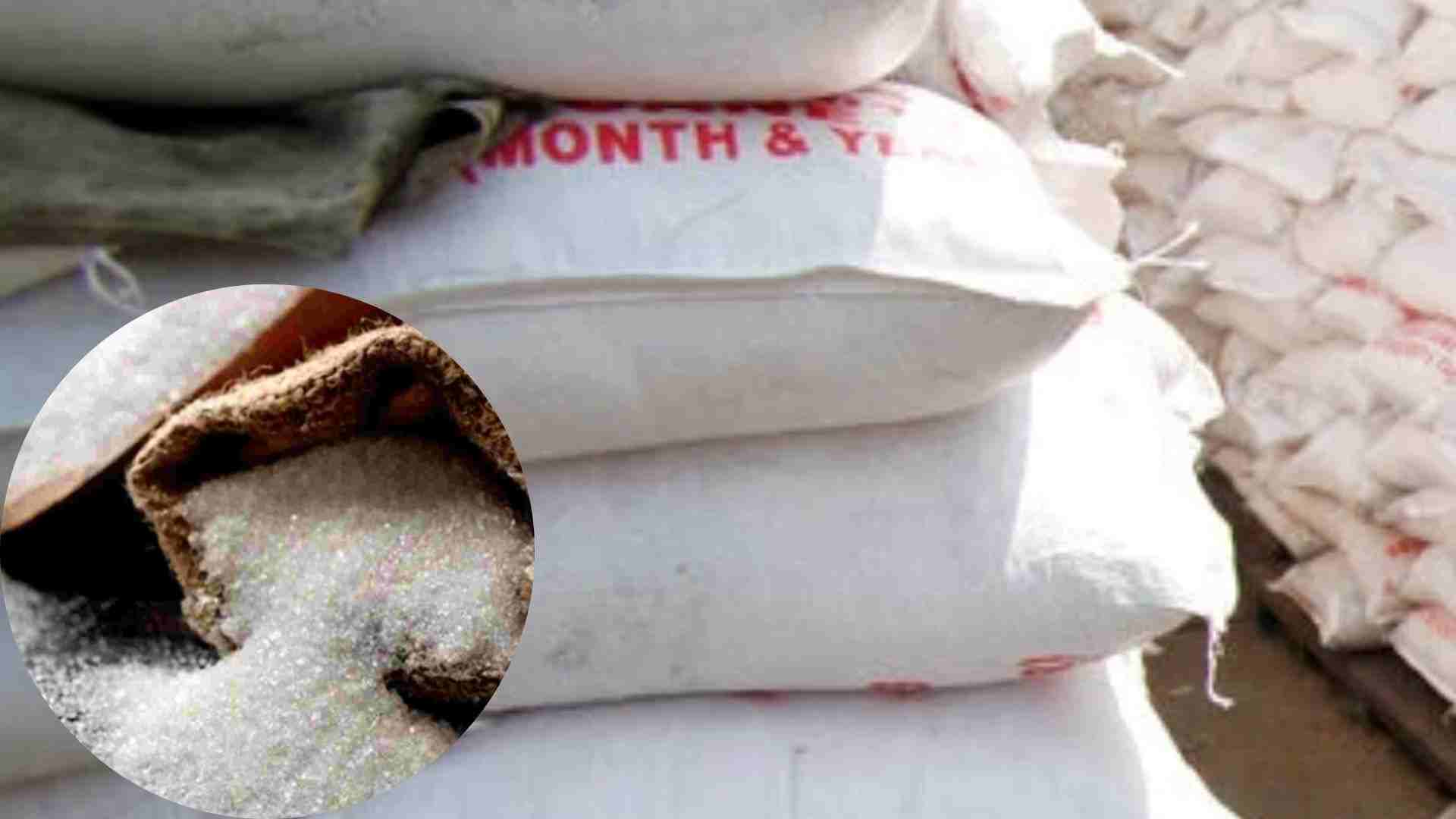

India has banned sugar exports with immediate effect till September 30 this year or until further orders. The ban covers raw sugar, white sugar, and refined sugar.
On Wednesday, May 13, the commerce ministry issued a notification and changed sugar exports from the ‘restricted’ category to the stricter ‘prohibited’ category. India is the world’s second-largest sugar exporter after Brazil. Because of this, the decision could affect global sugar supply and prices.
Government allows exports to US and EU
The government said the ban will not affect exports to the European Union and the United States of America under existing quota systems. India will continue sugar exports to the EU under the CXL quota. Exports to the US under the Tariff Rate Quota (TRQ) system will also continue.
Existing shipments get relief
The government gave relief to sugar consignments already in the export process before the notification came into effect.
Sugar already loaded on ships
The ban will not apply if exporters had already loaded sugar onto ships before Wednesday’s order.
Shipping process already completed
The government will also allow exports if exporters had filed the shipping bill and the vessel had already berthed, arrived, or anchored at an Indian port with a rotation number from port authorities.
Customs clearance already done
The restriction will not apply if exporters had already handed sugar consignments to customs or custodians and registered them in the electronic system with verified date and time records.
The government said consignments falling under these three conditions before the notification will receive relaxation under the new policy.
More export categories come under ban
The prohibition also covers several other export categories. These include exports under the Advance Authorization Scheme, government-to-government exports, and consignments already moving through the physical export pipeline.
Global sugar prices rise sharply
India’s decision immediately affected global sugar markets. Reuters reported that exporters from Thailand and Brazil may now increase supplies to buyers in Asia and Africa.
After the announcement, New York raw sugar futures jumped more than 2 per cent. London white sugar futures also rose 3 per cent.
Weak production drives decision
The government took this step amid concerns over falling sugar production in major growing regions. Earlier, India had allowed mills to export 1.59 million metric tons of sugar because officials expected production to stay higher than domestic demand.
However, production worries have now increased.
El Nino raises fresh concerns
Officials fear that El Nino conditions could weaken the upcoming monsoon season. Harsh weather could damage sugarcane crops and reduce sugar production further.
The government introduced the export ban to protect domestic supply and control prices in the local market.