
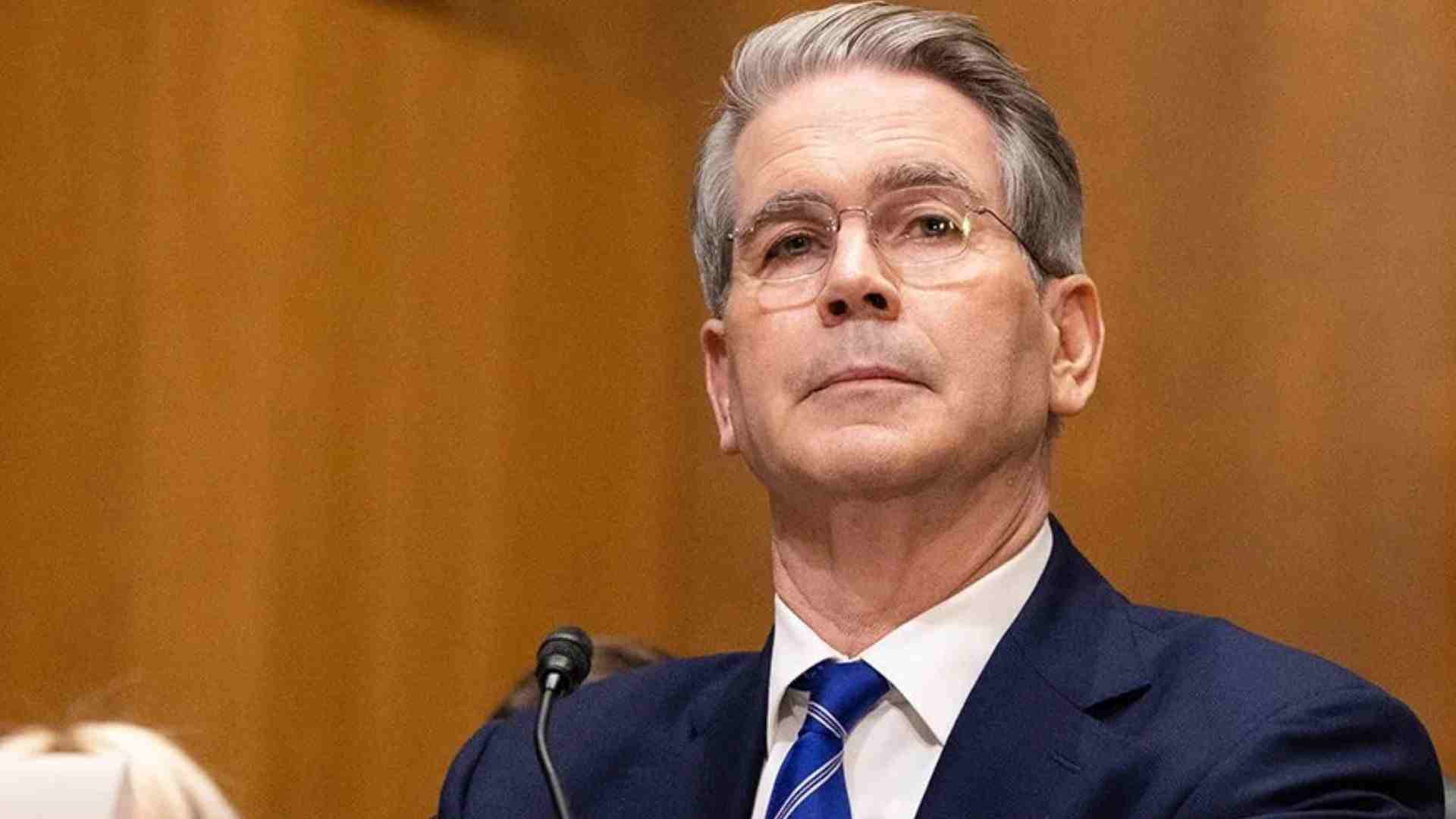

US Treasury Secretary Scott Bessent is considering a plan that could use Iranian assets to help Gulf countries rebuild damage caused by attacks linked to Tehran.
According to a report by the The New York Post, the US Treasury Department is examining ways to make Iranian assets available for reconstruction and repair projects in affected Gulf nations.
A source familiar with the discussions said the department wants to identify financial and legal mechanisms that could support rebuilding efforts.
“Treasury will utilize all tools available to allow Iranian assets to be made available to our Gulf allies to support rebuilding and repairs for any future damage caused by Iran,” the source said.
Treasury Officials Assess Damage Across Gulf States
Meanwhile, Bessent has directed Treasury officials to review conditions across Gulf countries and estimate the cost of repairing damage linked to Iranian military actions. Officials are also studying whether Iranian assets could cover the costs of both future and past attacks.
So far, the Treasury Department has not released any estimate of the programme's potential value.
Frozen Iranian Assets Become Key Part of Negotiations
The proposal comes as Washington and Tehran continue negotiations aimed at ending the conflict that began on February 28. Although officials have not specifically mentioned Iran’s estimated $24 billion in frozen assets, reports suggest those funds have become a major issue in the talks.
As a result, the future of those assets could play an important role in any agreement between the two sides.
US Measures Continue to Impact Iran's Economy
At the same time, Iran continues to face economic pressure from US restrictions. President Donald Trump imposed measures affecting Iran’s oil revenues after disruptions to shipping through the Strait of Hormuz.
Because the strait serves as a crucial route for global oil shipments, disruptions there have affected international energy markets.
Iran Launches Missiles Towards Kuwait and Bahrain
The report surfaced shortly after the United States Central Command announced that Iran launched seven ballistic missiles toward Kuwait and Bahrain early Saturday.
The development followed attacks last week that reportedly damaged Kuwait International Airport. Those attacks killed one person and injured more than 60 others. Consequently, tensions across the Gulf region remain high.
Iran Says Talks With US Have Reached a “Deadlock”
Meanwhile, Mohsen Rezaei, a security adviser to Iran’s Supreme Leader Mojtaba Khamenei, said negotiations with the United States have stalled. Speaking to CNN on Friday, Rezaei described the situation as a "deadlock."
According to him, negotiations cannot move forward unless Washington agrees to release Iran’s frozen assets.
Frozen Funds Remain a Major Obstacle
As diplomatic efforts continue, frozen Iranian assets remain one of the biggest sticking points between the two countries. The United States is exploring whether those funds can help Gulf allies rebuild damaged infrastructure. Meanwhile, Iran wants access to the money as part of any future agreement.
Therefore, the issue could become a decisive factor in determining whether the two sides can eventually reach a deal and reduce tensions in the region.