
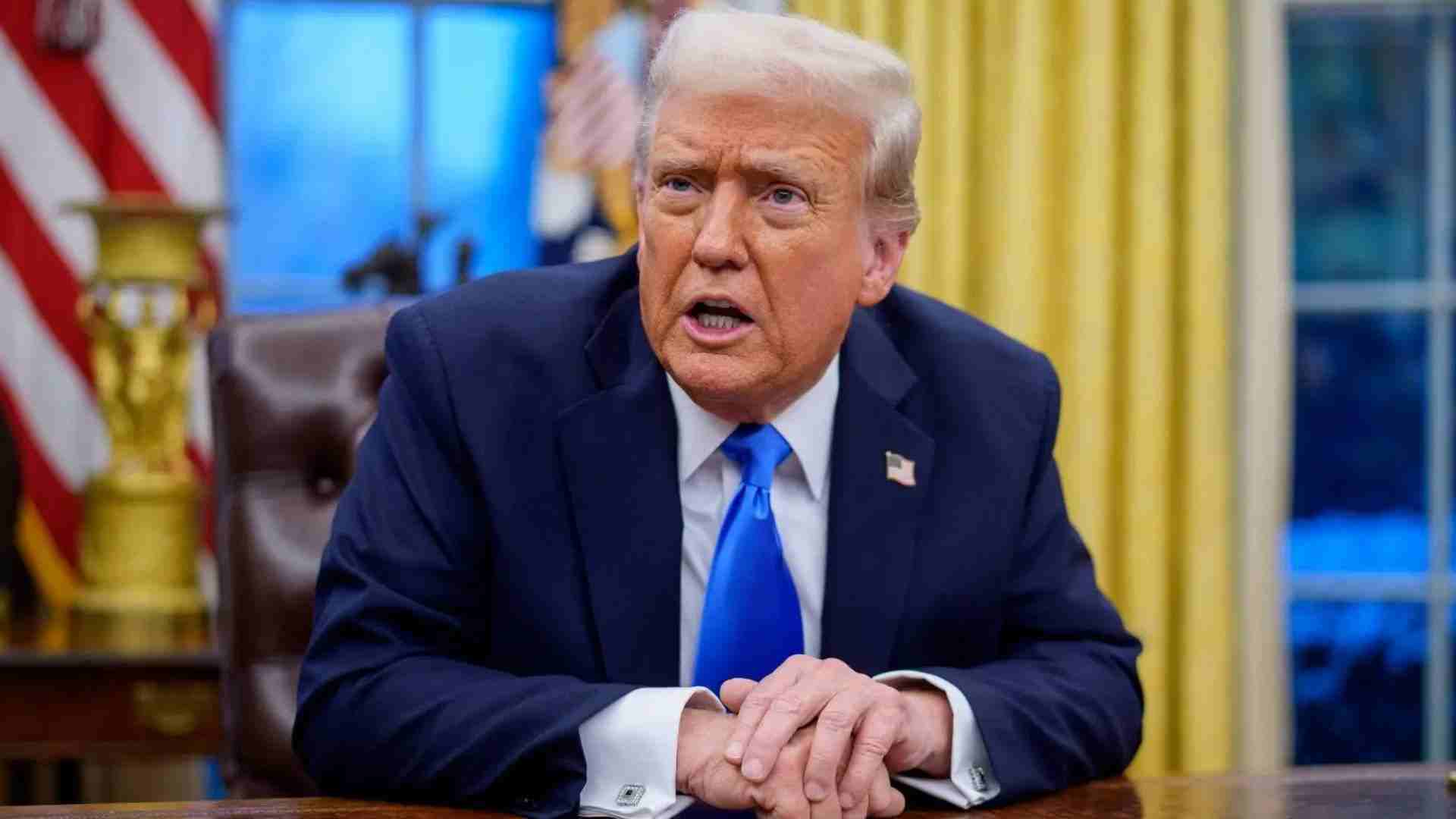

US President Donald Trump said a long-awaited agreement to end the conflict in West Asia could be signed on Sunday. He said the deal would immediately reopen the strategic Strait of Hormuz to international shipping.
In a post on Truth Social on Saturday, Trump expressed confidence that negotiators had reached the final stage of the process. “The Deal is scheduled to get signed tomorrow, and immediately after it is signed, the Hormuz Strait is OPEN TO ALL,” Trump wrote.
The Strait of Hormuz remains one of the world's most important shipping routes. A large portion of global oil and gas supplies passes through the waterway, making stability in the region a top priority.
Iran Disputes Signing Timeline
Iran, however, offered a different view of the negotiations. Earlier on Saturday, Iran's Foreign Ministry indicated that officials would not sign the agreement on Sunday. State media reported that Tehran expects discussions to continue for a few more days before reaching a final deal.
Iranian officials said the memorandum could be completed "in the coming days." The differing statements showed that negotiators still need to resolve some outstanding issues despite recent progress.
Trump Addresses Iran's Uranium Stockpile
Trump also spoke about Iran's enriched uranium stockpile. He said the United States plans to remove and destroy the material after tensions ease.
“At the appropriate time, when all is calm, we will go in and get the Nuclear Dust, buried deep under the powerful sunken granite mountains, thanks to our beautiful B-2 Bombers and their brilliant pilots, and downblend and destroy it, whether in Iran, or the United States,” Trump said.
He added, “We look forward to working with Iran, and the entire Middle East, long into the future.” The remarks highlighted the continued importance of nuclear issues in the negotiations.
Trump Warns Of Consequences
Trump also warned Iran about the importance of fully implementing the agreement. “Hopefully, this process will all work out quickly, easily, and smoothly,” he wrote. “If it doesn’t, we have the ultimate alternative, hopefully never to be used again!”
His comments suggested that Washington still sees other options if diplomacy fails.
Uranium Enrichment Remains A Sticking Point
Iran has repeatedly defended its right to enrich uranium. Tehran has maintained that it should be allowed to continue enrichment activities under its interpretation of international rules. This issue remains one of the biggest obstacles in the negotiations.
Although both sides have reported progress, officials still need to settle several key details before signing any final agreement.
Pakistan Helps Advance Talks
Pakistan has played an important role in the negotiations. Prime Minister Shehbaz Sharif said negotiators had completed the final draft of the proposed agreement. He added that the deal could move toward signing soon.
Pakistan has helped facilitate discussions and encouraged both sides to continue talks.
Negotiations Move Forward
Trump's comments boosted expectations that a breakthrough could be close. The proposed agreement aims to end hostilities, ease restrictions around Iranian ports and restore stability in the Strait of Hormuz.
However, Iran's cautious response showed that negotiators still have work to do. Both sides acknowledge progress. Yet they must resolve the remaining differences before they can formally sign the agreement. The coming days could determine whether the talks lead to a historic breakthrough in the region.