
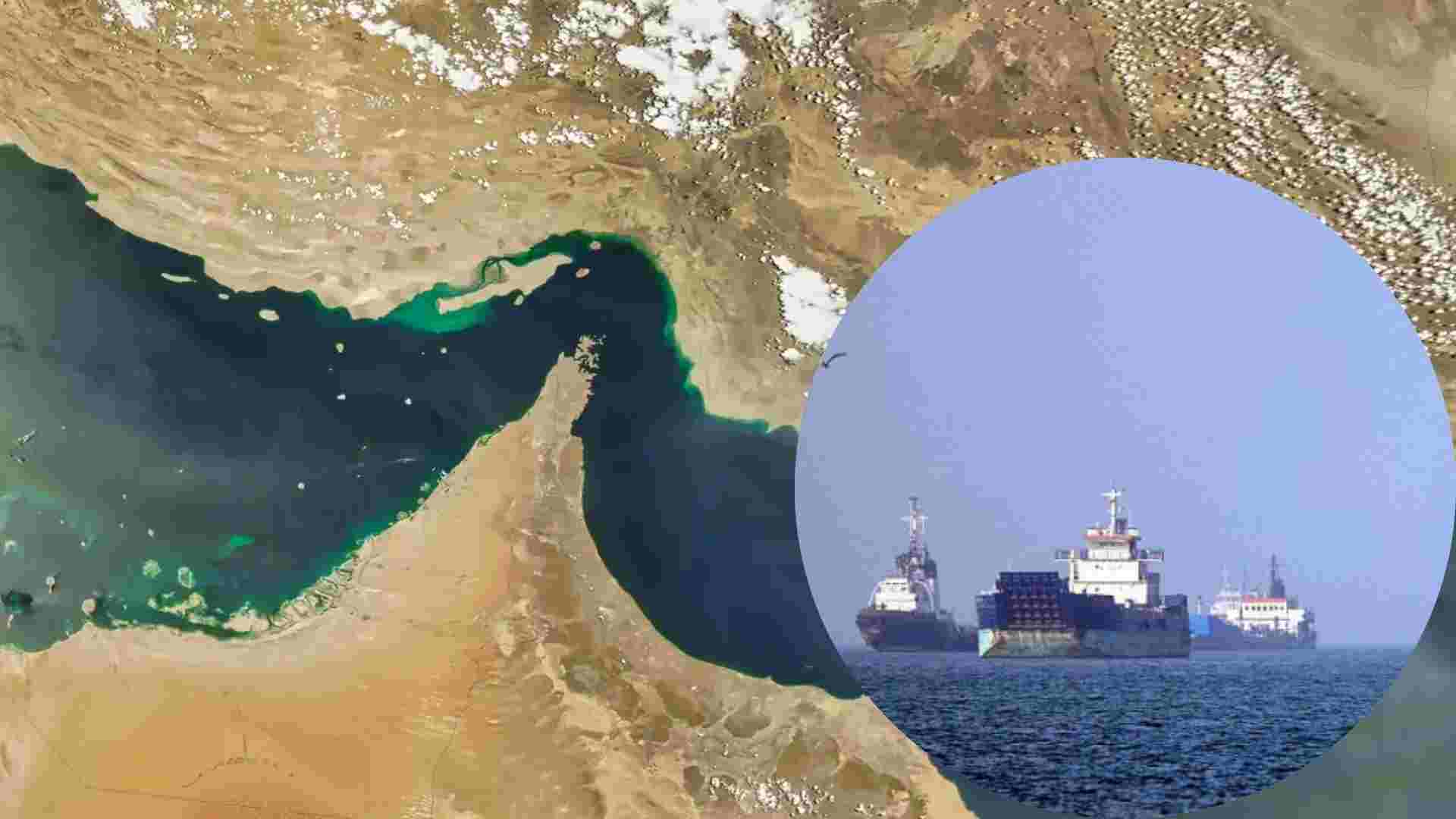

Iran plans to introduce new service fees for commercial ships travelling through the Strait of Hormuz, according to the country's ambassador to China. The announcement comes as Tehran works on a new system to manage one of the world's most important maritime trade routes following its recent conflict.
Speaking at the World Peace Forum in Beijing on Saturday, Ambassador Abdolreza Rahmani Fazli said Iran is coordinating with Oman to develop new arrangements for vessels using the strategic waterway.
New System to Replace Temporary Agreement
The ambassador's remarks came even though the United States has rejected Iran's proposal to charge ships for using the strait. Under the temporary agreement that helped end the recent conflict between Iran and the United States, commercial vessels were allowed to pass through the Strait of Hormuz without paying any charges for 60 days.
However, it is still unclear what system will replace that temporary arrangement once the 60-day period expires.
Iran Says Fees Are for Services, Not a Toll
Fazli said Iran considers the Strait of Hormuz part of its territorial waters and believes it has the right to collect service fees from ships using the route.
“As a country where the Hormuz is part of its territorial waters, we will definitely charge service fees,” Fazli said, while stressing that the charges should not be viewed as a “toll.”
According to the ambassador, the proposed fees would cover services such as ensuring the safe movement of ships, monitoring maritime traffic and addressing the environmental impact created by heavy shipping activity.
Friendly Countries May Receive Special Treatment
Iran also indicated that countries which supported Tehran during the recent conflict could receive preferential treatment under the proposed system.
“We will definitely consider special treatment for the countries that were friendly to us and specially stood by us during the hard times,” the ambassador added.
Strait of Hormuz Remains Vital to Global Energy Trade
The Strait of Hormuz is one of the world's most critical shipping routes, carrying nearly one-fifth of global crude oil and liquefied natural gas exports. During the recent Middle East conflict, Iran largely blocked traffic through the waterway, causing global energy prices to surge as markets feared disruptions to oil and gas supplies.
Talks Between Iran and US Continue
Iran reopened the Strait of Hormuz after reaching an initial agreement with the United States to stop the fighting. While commercial shipping has resumed under the temporary arrangement, negotiations between Tehran and Washington are still underway to reach a permanent agreement that will determine the future management of the strategic waterway.