
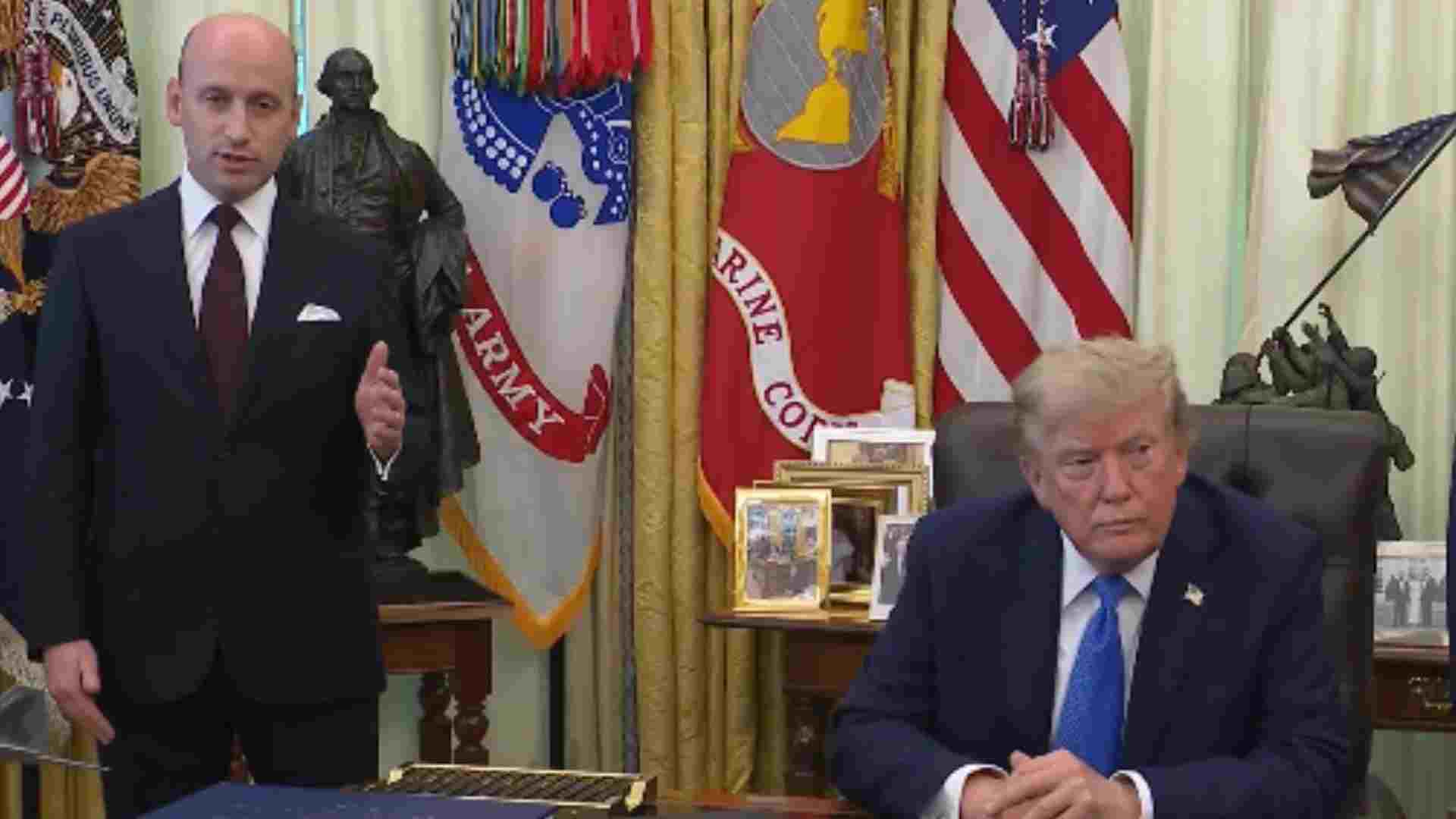

US President Donald Trump has renewed his push to restrict birthright citizenship and curb birth tourism in the United States. On Thursday, August 6, Trump signed two executive actions on immigration. One order seeks to narrow the categories of children who can receive US citizenship after being born in the country. The other targets people who travel to the US mainly to give birth. Trump defended the measures after signing them.
“We had a very unfortunate decision in the Supreme Court concerning birthright. They’ve taken birthright citizenship, and they’ve made a joke out of it.
“We’re making adjustments because it’s very unfair,” he said.
The latest actions come weeks after the US Supreme Court rejected Trump's earlier attempt to end birthright citizenship for children born to many non-citizens.
What Do Trump's Two Orders Say?
Trump has made birthright citizenship a major part of his immigration agenda. His administration has repeatedly argued that the current system encourages people to enter the US or exploit immigration rules to secure citizenship for their children.
The first order expands the categories of children who could lose eligibility for birthright citizenship. According to White House deputy chief of staff Stephen Miller, the changes cover children of members of “foreign terrorist organisations”. They also cover “large categories of people who lobby and act on behalf of foreign governments”.
However, the government has not clearly explained which people would fall into the latter category. The order also applies to children of people classified as an “alien enemy” of the United States.
🎯 Ensuring large amounts of people who WRONGLY get birthright citizenship will no longer be eligible.
— The White House (@WhiteHouse) August 6, 2026
🎯 Taking action to BAN birth tourism.@StephenM explains President Trump's bold and impressive record on securing our borders and protecting the value of American… pic.twitter.com/hizsT4BGyw
More Foreign Government Employees Covered
The order further expands the restrictions to children of additional foreign government employees. It also addresses people born in “a territory or territorial waters of the United States where citizenship is not conferred by federal statute”.
At present, this provision applies only to American Samoa. The order also seeks to deny birthright citizenship to children whose parents “engaged in fraudulent activity to obtain citizenship”.
Trump Moves Against Birth Tourism
The second executive order focuses on birth tourism. Birth tourism refers to travelling to another country mainly to give birth there. In countries that offer birthright citizenship, parents may seek this option so their child automatically receives citizenship.
Trump's new order seeks to tighten visitor visa rules for people suspected of travelling to the US primarily to give birth. The administration wants federal agencies to target “birth tourism operators”. These operators allegedly help arrange travel, accommodation and other services for pregnant women seeking to give birth in the US.
Miller said the government considers birth tourism “hereby banned.” The administration's move could therefore affect how US authorities assess certain visitor visa applications.
Legal Challenges Likely
The new birthright citizenship order is already facing criticism from immigration advocates. The American Civil Liberties Union said Trump cannot change constitutional citizenship protections through an executive order.
Cody Wofsy, deputy director of the ACLU's Immigrants' Rights Project, said the Supreme Court had already addressed the issue. “The Supreme Court already decided this issue: birthright citizenship is guaranteed by the constitution. No additional executive order can change the meaning of the constitution,” Wofsy said.
“Any executive order that tries to rewrite birthright citizenship will meet the same fate as the last one.”
US immigration attorney Cyrus Mehta also criticised the new order on X. He described it as “blatantly unconstitutional”.
“Trump's new EO on birthright citizenship is also blatantly unconstitutional when it precludes citizenship if the parents of the person engages in a commercial transaction to ensure that the person’s mother is present in the United States, or a territory of the United States to give birth. The meaning of commercial transaction is too vague and violates the 14th Amendment. It should be struck down,” Mehta said.
The orders are likely to face legal challenges soon. Courts could also block them before the administration implements them, as happened with Trump's earlier attempt.
Why Is Trump Pursuing the Policy Again?
Trump has strongly criticised the Supreme Court's June decision on birthright citizenship. He called the ruling “deeply unfair” and argued that the original purpose of birthright citizenship was different from how he believes people use it today.
Trump linked the policy to the period immediately after the US Civil War. “This was for the babies of slaves, and what’s happening now? People are building businesses around it.” Trump also claimed that some people exploit the system by having large numbers of children in the US.
“You have one man came in with a family head said he had 56 children. Another one came in. They said they had 98 children. This was not what it was for. This was meant for the babies of slaves. It was, it was right after one week or two weeks after the Civil War ended,” Trump told journalists.
Could Indians Be Affected?
The new measures could have an impact on some Indians travelling to the US, but they do not currently target Indians simply because they live or work in America.
The Migration Policy Institute estimates that the US records around 3.5 million to 3.6 million births annually. Of these, about 26,000 could fall under the birth tourism category.
A separate 2020 estimate cited by Reuters placed the number at around 20,000 to 25,000 mothers each year. India is often listed among the leading countries of origin for birth tourism to the US, along with China.
However, Indians who already live in the US on H-1B or other work and study visas are not automatically classified as birth tourists. The new measures specifically focus on people who travel to the US on short-term visitor visas mainly to give birth.
Visitor Visa Applicants Face Greater Scrutiny
Pregnant Indian travellers applying for US visitor visas could face closer scrutiny under the new policy. Visa officers could examine the purpose of their trip more closely. They may also reject applications if they suspect that the applicant intends to travel to the US primarily to give birth.
The new rules could also lead to additional questions during visa interviews. Some travellers may face longer processing times. US immigration officials could also conduct additional questioning at airports if they suspect birth tourism.
Policy Creates Fresh Uncertainty
Trump's latest executive actions mark another attempt to tighten US immigration rules around birthright citizenship. However, the measures face major legal questions. Courts will likely determine whether the administration can restrict constitutional citizenship rights through executive action.
For Indians, the biggest immediate concern lies with pregnant visitors and people suspected of travelling to the US specifically for childbirth. Those already living in America on legitimate work or study visas face a different situation.
The policy could nevertheless create greater uncertainty for visitors as the administration strengthens scrutiny of travel purposes and birth tourism.