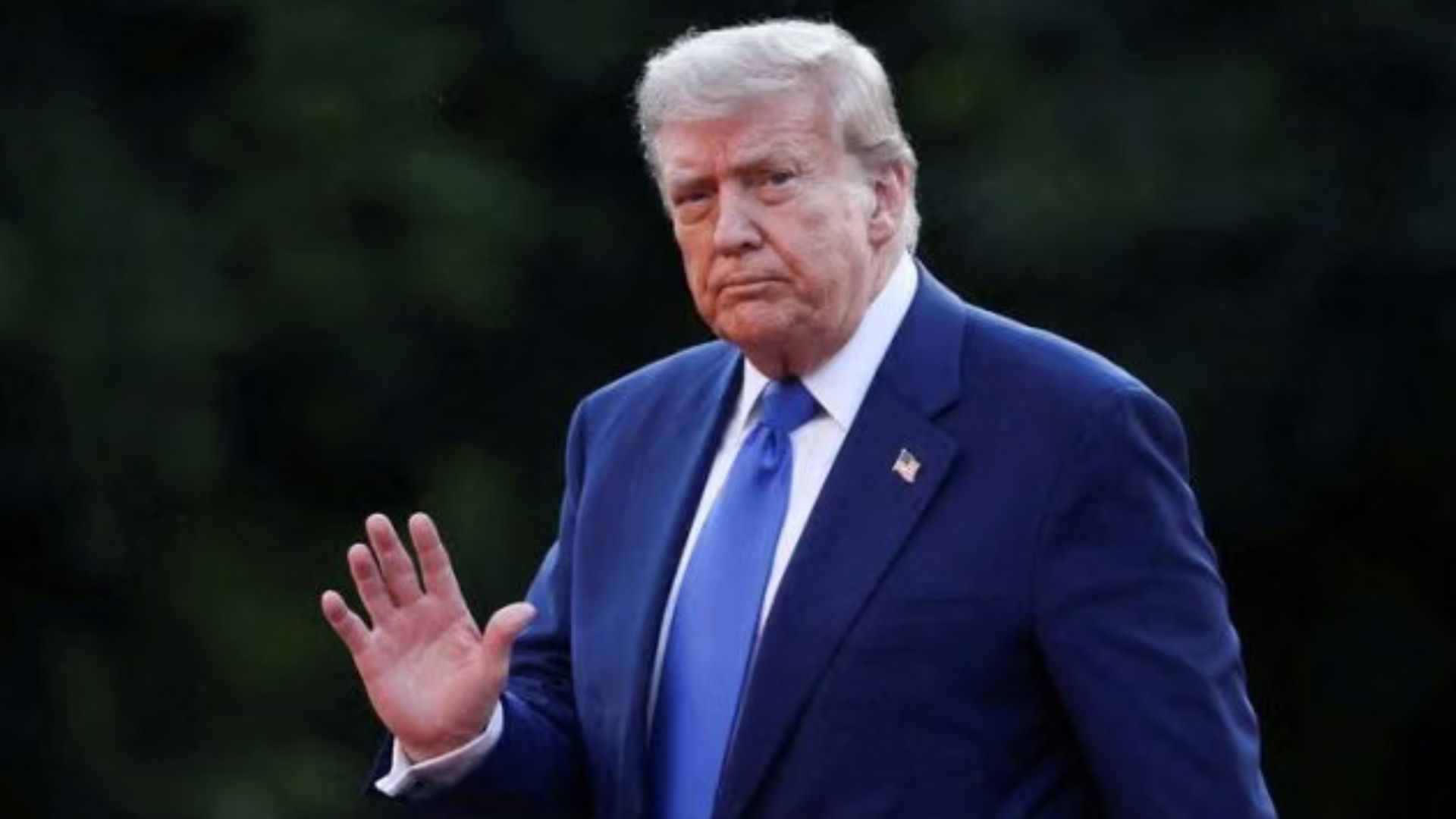
US President Donald Trump has signed the bipartisan Lindsey O Graham Sanctioning Russia and Iran Act of 2026 into law, putting the legislation under the spotlight in global financial markets.
The law has triggered concerns over the possibility of Washington imposing punitive tariffs of up to 100 per cent on countries that buy Russian crude oil and natural gas. However, a closer look at the legislation shows that the situation is more complex than the headlines suggest.
The most important distinction is between giving the President legal authority to impose tariffs and actually imposing those tariffs. The new law gives the White House significant flexibility to act against major buyers of Russian energy. However, it does not automatically impose a 100 per cent tariff on Indian exports.
Authorisation Does Not Mean Immediate Tariff Action
The US Congress has expanded the executive branch’s authority to use trade measures against countries that remain major purchasers of Russian energy. However, the legislation does not activate the highest tariff rate immediately after it becomes law.
The law creates a sliding tariff structure. Duties can range from zero to as high as 100 per cent, depending on the circumstances and the decisions taken by the US administration.
It also provides a 30-day period after enactment. During this period, the President can assess whether countries covered by the legislation have knowingly made new purchases of Russian energy.
Another major provision requires the US Trade Representative to review the situation every 180 days. The review will identify the five largest buyers of Russian crude oil and natural gas based on purchase volumes. This means the list of countries affected by the mechanism can change over time depending on their energy purchases.
Trump Gets Broad Powers to Adjust Tariffs
The legislation gives the President wide discretion over how the tariff provisions are implemented. The White House can adjust tariff rates, delay enforcement or waive tariffs altogether under certain circumstances. The law also contains a specific national interest waiver. This provision allows the President to suspend tariff enforcement when doing so is considered necessary to protect important US economic interests or broader strategic alliances.
The tariff rate can also change depending on the steps taken by a country to alter its energy purchases. If a country takes “significant steps" to reduce, change or diversify its purchases, those actions can influence the tariff decision.
Therefore, the legislation does not create a single fixed tariff for all countries buying Russian energy. Instead, it gives the US administration an adjustable framework that can be used according to changing economic and strategic conditions.
Why 100% Tariffs May Not Be Imposed Immediately
An immediate 100 per cent tariff on Indian goods could create several economic and strategic challenges for Washington.
Inflation Could Rise in the US
A 100 per cent tariff on major consumer imports would raise the cost of imported goods. US consumers could face higher prices as a result.
Such a move could also add to existing inflationary pressures in the American economy. This makes the economic impact an important consideration for the US administration before imposing the highest tariff rate.
India-US Trade Talks Are Underway
New Delhi and Washington are also engaged in negotiations aimed at reaching a comprehensive bilateral trade agreement.
In this situation, the new legislation can give Washington additional leverage during negotiations. However, its provisions do not mean that the US must immediately impose the maximum tariff on India.
The law therefore provides a potential negotiating tool rather than automatically triggering the highest possible trade penalty.
Global Energy Markets Could Face Disruptions
India is a major player in the global refining industry. Any sudden disruption to its access to crude oil could have wider consequences for international energy markets.
A sharp reduction in Indian refining activity could affect the supply of refined petroleum products in Europe and Asia. This could create additional pressure across global energy markets.
For Washington, such potential disruptions could also become an important factor when deciding how aggressively to use the new tariff powers.
India Emphasises Energy Security
India's Ministry of External Affairs has said that New Delhi remains committed to protecting the energy security of its 1.4 billion citizens.
India has maintained that it will continue to pursue diversified and market-driven sources of energy. At the same time, New Delhi will take necessary steps to protect its national economic interests.
The new US law therefore gives Washington the authority to consider tariffs of up to 100 per cent against major buyers of Russian energy. However, the legislation itself does not automatically mean that Indian exports will immediately face a 100 per cent tariff.