
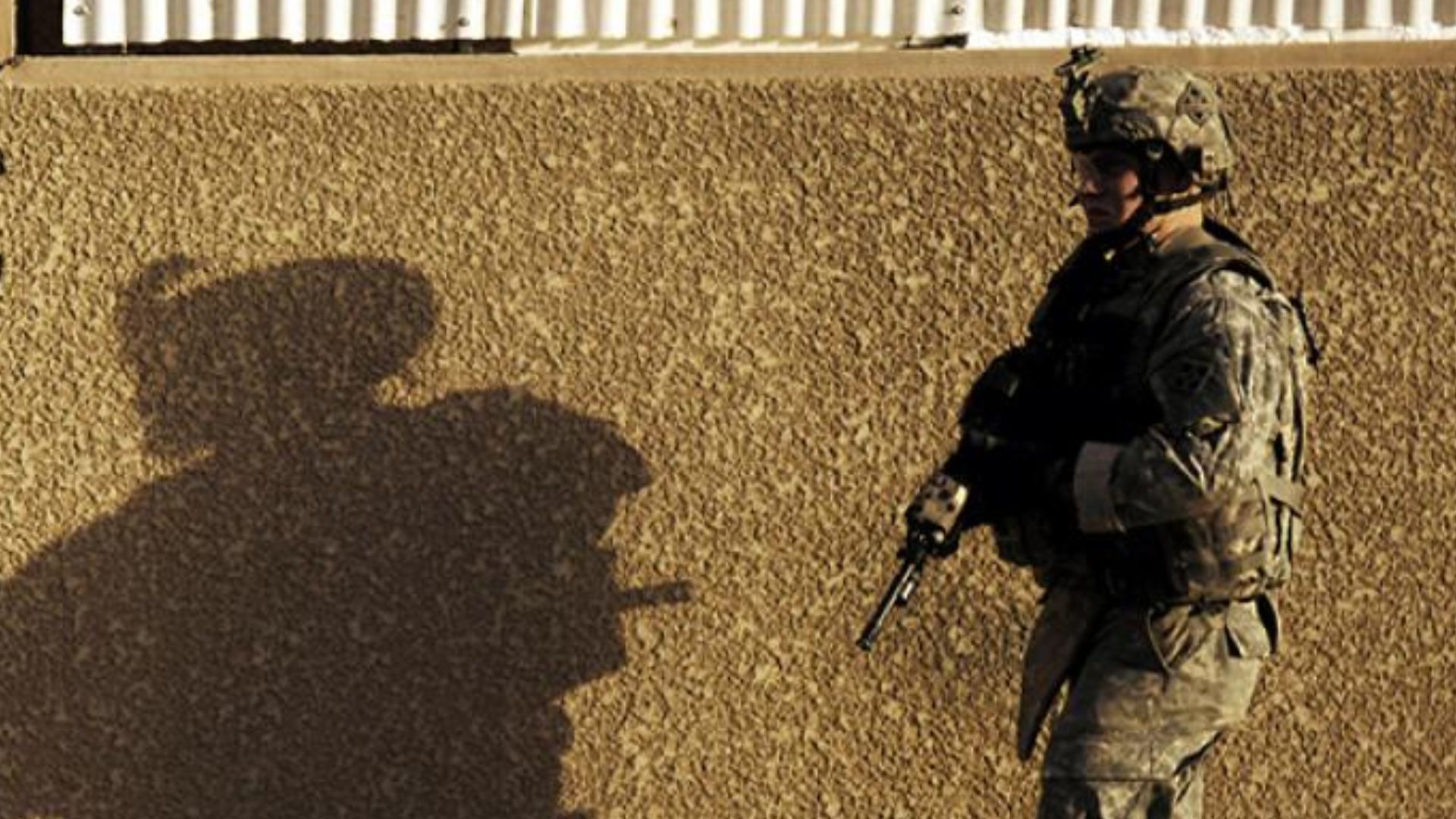

The final stage of the US military presence in Iraq is nearing its end, with Iraqi Prime Minister Ali al-Zaidi maintaining September 30 as the deadline for the remaining American troops to leave the country. The withdrawal will formally end the US-led military mission against Islamic State in Iraq, but it will also place a major security challenge before Baghdad.
The Iraqi government will now have to deal with powerful armed factions and attempt to bring all military force under state authority. The task could prove difficult as some Iran-backed militias continue to oppose surrendering their weapons.
Rubio and al-Zaidi discuss militia disarmament
US Secretary of State Marco Rubio met al-Zaidi on the sidelines of the United Nations General Assembly in New York. The discussions focused on Iraq's security situation and Washington's demand that Baghdad prevent attacks launched from Iraqi territory and take greater control over armed groups.
According to the US State Department, Rubio and al-Zaidi “agreed on the importance of Iraq dismantling terrorist militias, preventing attacks from Iraqi territory, and fully exercising its sovereignty”.
The meeting came just days before the planned completion of the US military withdrawal. American forces have already left most of their previous positions in Iraq, with the remaining troops largely based in the northern Kurdish region. The United States has said the withdrawal will be completed by September 30.
US withdrawal and militia disarmament now have different timelines
The September 30 date was initially linked not only to the departure of US forces but also to Baghdad's plan to bring weapons held by armed factions under state control.
That timetable has now been extended.
Under al-Zaidi's revised plan, armed groups would first observe a 90-day period without attacks beginning September 30. After that period, the groups would start handing their weapons over to the Iraqi state. Baghdad has set June 30, 2027, as the target for completing the process.
This means the two processes will now move on separate tracks. The US military withdrawal is expected to finish on September 30, while negotiations and efforts to transfer militia weapons to state control will continue for another nine months.
Tom Barrack, Washington's special presidential envoy for Iraq, said there was an agreement that by the end of June, “only the state is the keeper of the military force”.
Whether Baghdad can meet that target remains uncertain.
Powerful Iran-backed militias resist disarmament
Several of Iraq's strongest armed factions have rejected the idea of voluntarily giving up their weapons. Kata’ib Hezbollah is among the groups that have opposed disarmament, while other factions have indicated that they could accept weapons being brought under state authority under certain political conditions.
Victoria Taylor of the Atlantic Council said some factions were seeking a political route that could allow them to move away from sanctions and designation lists and become more deeply involved in Iraq's political system.
The issue is particularly complicated because many of these groups have both political and military influence.
The Popular Mobilization Forces, or PMF, were created to fight Islamic State and were later incorporated into Iraq's security structure. However, some powerful factions within the broader network have retained their own organisational structures and military capabilities.
Iraq faces a major security test after US exit
The US withdrawal is taking place amid continuing tensions involving Washington, Tehran and armed groups across the region.
Iran-aligned Iraqi militias have previously carried out attacks against US-linked targets. The continued presence of these groups has increased pressure on Baghdad to demonstrate that Iraqi territory will not be used for attacks once American troops leave.
The end of the US-led coalition mission will also shift greater responsibility for counter-Islamic State operations to Iraqi security forces. The United States and Iraq had already agreed on a timetable to end the coalition's military mission, with Iraqi forces taking the lead in combating the remaining Islamic State threat.
For Baghdad, however, the more difficult challenge could come after the American withdrawal.
The government will have to convince or compel powerful armed factions to accept that the state has the ultimate authority over military force. The success of the June 2027 disarmament target will depend on whether Baghdad can secure cooperation from the militias while maintaining political stability and preventing further attacks from Iraqi territory.