
JUSZnews

NEWS WITHOUT INTERRUPTION

Subscribe
Starlink Responds to Reliance Industries Amid Satellite Internet Row in India
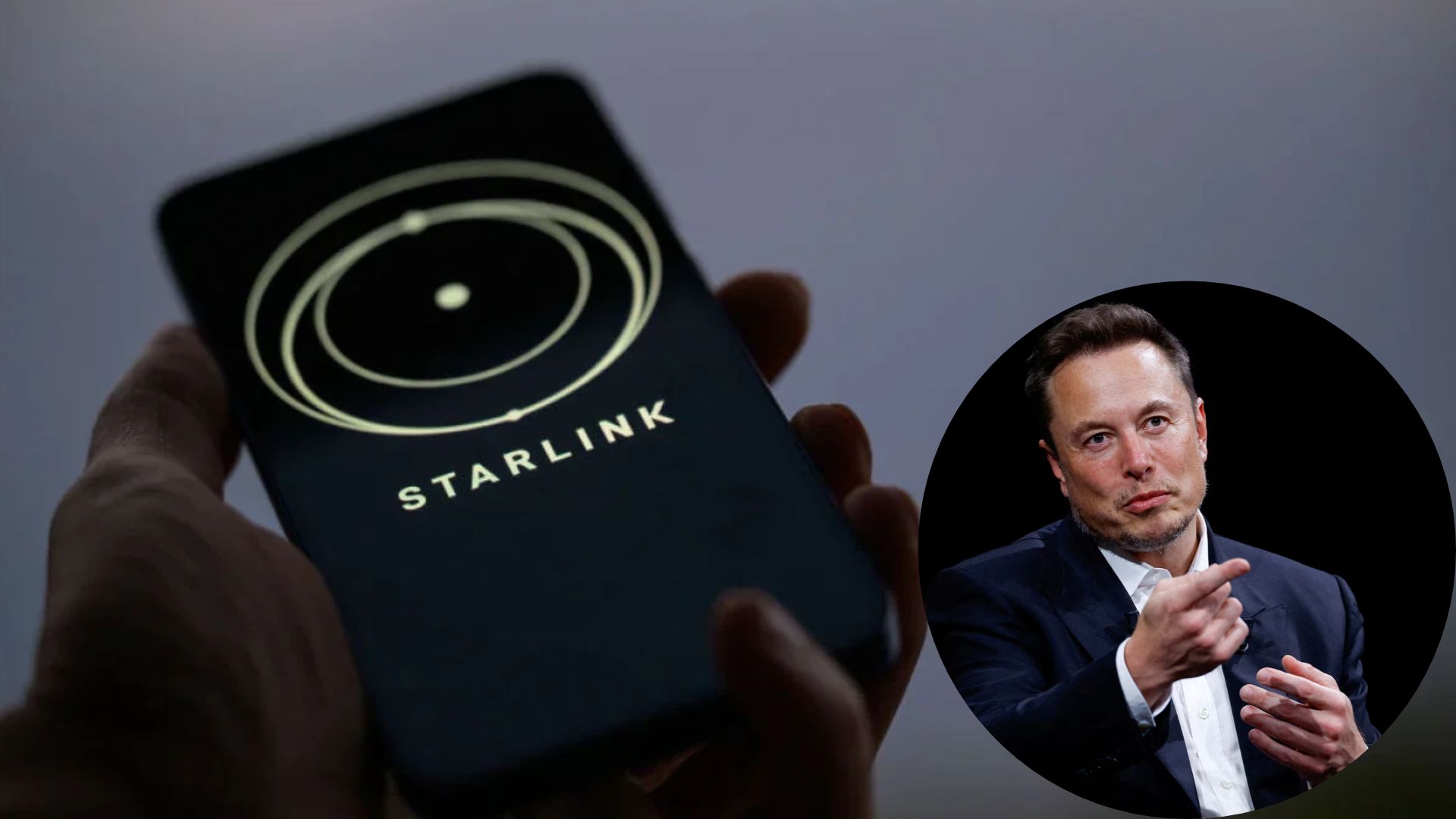
Starlink has responded to Reliance Industries amid a dispute over satellite internet services in India, as both companies await regulatory clearances and debate the rules governing market entry.
Starlink on Monday responded to Reliance Industries Limited (RIL) after a public disagreement involving Elon Musk and the Indian market. The satellite internet company said it had worked closely with Indian regulators for more than five years and secured the required government approvals for its operations. In a post on X, Musk’s company reaffirmed its readiness to provide high-speed internet services to Indian customers. Starlink also highlighted the infrastructure it had developed within the country to support its proposed services. “We have worked closely with regulators, industry and operators in India for 5+ years, and built a network of dedicated systems, gateways, and other infrastructure all in-country to exclusively serve Indian traffic safely and securely - and all with the requisite government approvals. Starlink is ready to connect India with high-speed internet,” it said. Starlink issued the response after Reliance Industries released a statement on Friday addressing Musk’s recent comments about the Indian market and the company’s entry into the country. Reliance said it had never feared competition and stressed that every company must follow Indian laws and policies. The conglomerate also pointed out that the government follows the same approval process for domestic and foreign applicants. Reliance added that Jio’s satellite communication services were also awaiting the necessary clearances. “In light of recent remarks about Reliance and the Indian market, we wish to place the facts on record. Like every Indian enterprise, Reliance has grown in an India that welcomes investment and innovation, homegrown or international, that improve the lives of the people,” it said in the statement.

What Reliance Industries Said About Starlink

Reliance Industries welcomed competition in the satellite communication sector, including Starlink’s proposed entry into India. However, the company stressed that all service providers must operate under the same regulatory framework. Reliance argued that the government applies a uniform process to every applicant, regardless of whether the company is Indian or foreign. It also highlighted that Jio’s satellite services had not yet received all the required approvals. “That openness rests on the rule of law. As the Government of India has stated, it applies the same process to every applicant, Indian or foreign. Jio's own satellite services await clearances. At Reliance, we have never feared competition. We see it as the truest test of who serves the customer best. Jio itself entered India's crowded telecom market in 2016 as the newest player, with not a single customer. In just ten years, Jio has earned the trust of over 530 million customers and given Indians some of the best digital infrastructure and most affordable data in the world,” Reliance's statement read. The company also highlighted Jio’s growth since its entry into the Indian telecom market in 2016. It said Jio had expanded its customer base to more than 530 million users and helped provide affordable data and digital infrastructure across the country. Reliance reiterated that it supported competition in satellite communications. However, it said all companies, including Jio and Starlink, must comply with Indian laws and government policies. “We welcome competition in satellite communications, including Starlink,” the company said, adding that every player, Jio included, “must serve the people of India and abide by the laws and policies of the land.”

How the Dispute Between Elon Musk and the Indian Government Began

The disagreement escalated on October 7, when SpaceX CEO Elon Musk criticised the hurdles facing Starlink’s efforts to enter the Indian market. Musk alleged that “certain oligarchs” were blocking the company’s efforts to obtain spectrum access for its satellite broadband services. His remarks triggered a public exchange between the billionaire entrepreneur and Indian authorities. The following day, the communications ministry rejected Musk’s allegations. The government described suggestions of discrimination against Starlink as “baseless and misconceived”. Officials maintained that India’s satellite communication framework treated applicants fairly and without discrimination. The ministry also said security assessments of three entities were underway and that all of them had reached “broadly the same regulatory stage.”

Musk Questions Delays in Starlink’s Indian Licence

Musk continued his criticism hours after the government rejected his allegations. He pointed out that Starlink had received licences to operate in more than 165 countries and said the company had spent five years complying with Indian regulations. He questioned why the company had still not received the necessary licence to begin operations in India. “So why still no licence? Is Ambani the real boss of India?” he asked, referring to Reliance Industries chairman Mukesh Ambani. The remarks brought Starlink’s efforts to enter India into the spotlight and intensified the public dispute over regulatory approvals and competition in the satellite internet sector.

Starlink and Jio Await Regulatory Clearances

The exchange has highlighted the challenges facing satellite internet providers seeking to operate in India. Starlink has emphasised its work with regulators and its readiness to deliver high-speed internet, while Reliance has stressed the need for equal treatment under Indian laws. Reliance’s statement also underlined that Jio’s own satellite services were awaiting clearances, reinforcing its argument that the same regulatory process applies to domestic and international companies. The dispute has brought attention to the competition between major players seeking a foothold in India’s satellite communication market. Starlink’s proposed entry could expand high-speed internet access, while regulatory approvals remain a key step before its services can launch in the country.