
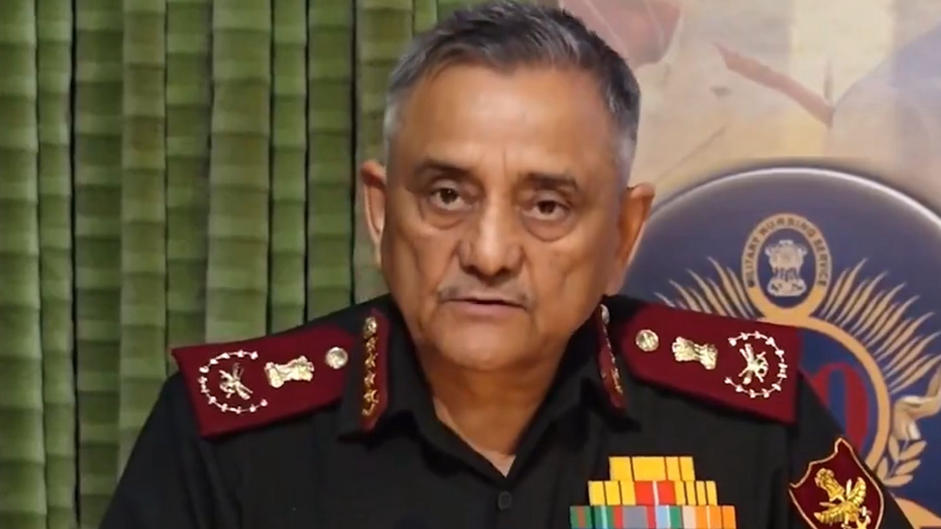

Chief of Defence Staff (CDS) General Anil Chauhan on Tuesday, September 30, urged India to prepare for rising bio-threats and potential nuclear hazards. He spoke at the Scientific Session marking the 100th Raising Day of the Military Nursing Service (MNS) at the Manekshaw Centre in Delhi Cantt. Although the risk of a nuclear attack is low, he said it must still be considered.
Chauhan warned that bio-threats have increased after Covid-19. He said, “The world has been through a period of intense travels and tribulations during the Covid-19 pandemic. Bio-threats, man-made, accidental or natural, are likely to increase in future. Defence against such threats and treatment of infected persons require different treatment protocols. We must be prepared for this in future.” He emphasized that both prevention and specialized treatment protocols are essential.
Nuclear Readiness and Deterrence
Moreover, Chauhan stressed the need for nuclear preparedness. He said, “Post-Operation Sindoor, our PM has said that India will not be deterred by nuclear blackmail. While the possibility of use of nuclear weapons in our context is very low, it would be prudent to take this into our security calculus. Radiological contamination requires different protocols for treatment and must be part of our training.” He added that readiness itself acts as a deterrent, saying, “Such protocols are important.”
He also noted recent nuclear threats from Pakistan. During the military escalation in May, Pakistani ministers issued public warnings. Additionally, Pakistani Army Chief Asim Munir threatened India in a speech in the US. In response, PM Modi stated that India will never give in to nuclear blackmail.
The Military Nursing Service (MNS) commenced its Centenary Year with a solemn ceremony at Manekshaw Centre, New Delhi.
— PRO, Defence, Guwahati (@prodefgau) September 30, 2025
CDS General Anil Chauhan, lauded the MNS for a century of compassion,commitment & exemplary service in wars, peacekeeping and humanitarian relief. pic.twitter.com/jRt6ohnCGG
Protecting Medical Data in Modern Warfare
Furthermore, Chauhan highlighted the importance of medical data security. He explained, “Indian DNA is unique. Our immune system reacts differently to different environments or infections. At the macro-level, individual medical data protection is equally important and includes case histories, reports and medical health records. Operational data, deployment related to health patterns, evacuation plans also need to be secured from leakages.”
He added, “Role-based access and encryption of medical data is very relevant in today’s era of data-centric warfare where access to information will allow the enemy an advantage. While data security and data protection is not directly the responsibility of MNS, you must be aware of all these types of challenges.”
Preparing for Complex Threats
Overall, Chauhan said that India must strengthen bio-threat defense, nuclear preparedness, and medical data protection. He warned that emerging threats are complex, and the nation must be ready to face them.