
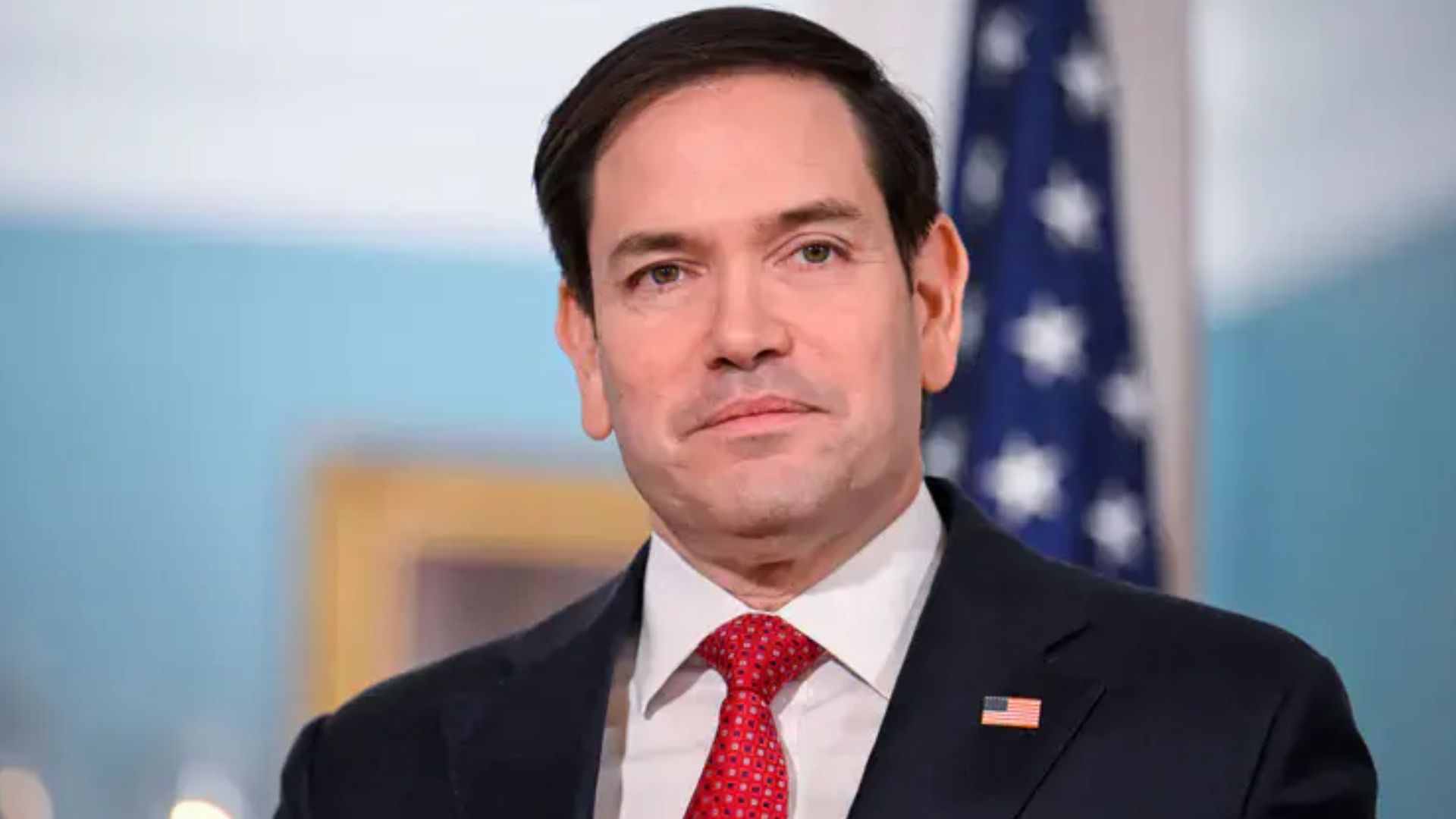

US Secretary of State Marco Rubio has again defended the Trump administration's foreign policy. He claimed that the United States helped stop a major military conflict between India and Pakistan in 2025.
Rubio made the remarks during a White House Cabinet meeting and later during media briefings. His comments supported claims repeatedly made by US President Donald Trump, who has often said his administration played a key role in reducing tensions between the two countries.
Rubio Says US Helped End the Conflict
Rubio highlighted several diplomatic efforts undertaken by the Trump administration. He described Washington as an active peacemaker that uses economic influence to bring countries to the negotiating table.
“We did a peace deal with Azerbaijan and Armenia… The second is India-Pakistan. We ended that war,” said Rubio. Rubio further said, "We were involved in helping broker that… We are carrying out diplomacy all over the world constantly and very successfully in many cases.”
He also said the Trump administration follows a foreign policy based on American interests.
“For the first time in decades, American foreign policy is guided entirely by whether it makes the US safer, stronger, and more prosperous,” Rubio stated.
He credited Trump for resolving difficult international disputes and referred to tensions involving Thailand-Cambodia and the Democratic Republic of Congo-Rwanda as other examples.
What Conflict Was Rubio Referring To?
Rubio referred to the military escalation between India and Pakistan in May 2025.
The crisis began after India launched Operation Sindoor. India targeted terrorist infrastructure in Pakistan and Pakistan-occupied Kashmir after a terror attack in Pahalgam killed 26 people.
The military confrontation lasted four days. The situation raised concerns around the world. Both countries announced a ceasefire on May 10, 2025.
Trump Administration Claims Credit
The Trump administration has consistently said that US diplomacy helped secure the ceasefire.
According to US officials, Vice President JD Vance and Marco Rubio held intensive discussions with leaders in New Delhi and Islamabad during the crisis.
The administration also claimed it used the possibility of trade penalties to encourage both sides to step back from further conflict.
Trump has repeatedly said that tariff threats helped end the confrontation. He previously claimed that US economic pressure “settled a lot of very beautiful wars."
India Rejects Third-Party Mediation Claims
India has firmly rejected the US version of events.
External Affairs Minister S. Jaishankar and Prime Minister Narendra Modi have both explained India's position in Parliament.
According to New Delhi, Pakistan's Director General of Military Operations (DGMO) contacted his Indian counterpart and requested de-escalation. The two sides then worked toward ending hostilities.
India maintains that the ceasefire resulted from direct communication between the two countries.
The Indian government has also stated that no external pressure, trade threat or economic incentive from Washington influenced the decision.
Two Different Narratives Remain
The United States continues to present the ceasefire as a diplomatic success for the Trump administration.
India continues to reject that claim. New Delhi maintains that the ceasefire was entirely bilateral and resulted from direct military-level communication between India and Pakistan.
As a result, both countries continue to hold different views on how the 2025 conflict came to an end.