
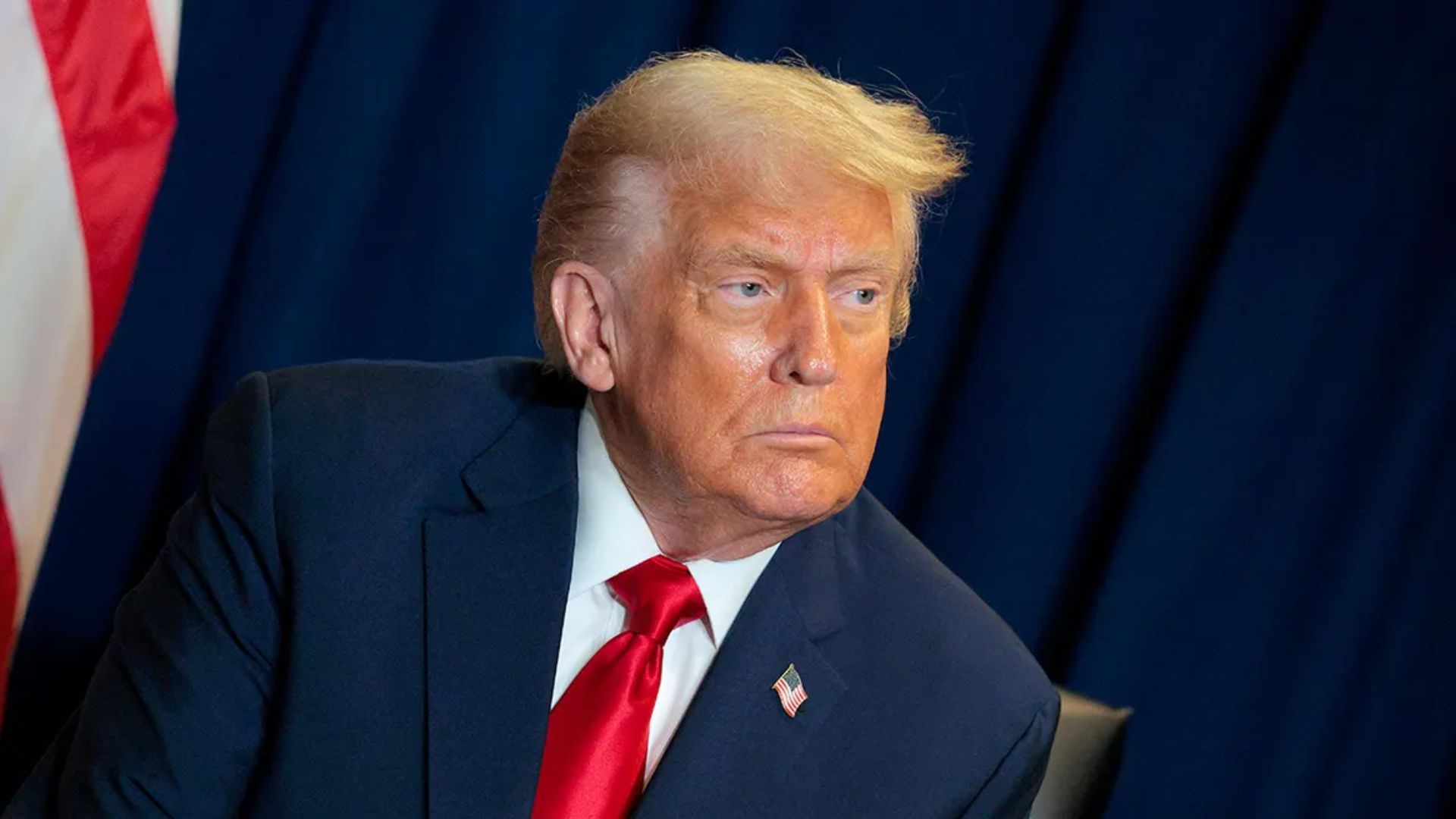

US President Donald Trump has denied allegations that he used a lawsuit against a federal agency under his control to help create a proposed $1.8 billion fund for alleged victims of political “weaponization.”
In a court filing submitted on Friday, Trump's lawyers argued that his $10 billion lawsuit against the Internal Revenue Service was legitimate. They said neither Trump nor the Justice Department misled the court. They also defended the settlement that initially led to the creation of the now-abandoned fund.
Trump Lawyers Reject Fraud Claims
Trump's legal team strongly pushed back against accusations made by a group of former federal judges. The former judges claimed that Trump and the Justice Department used the lawsuit as a legal tool to create the fund. They argued that Trump effectively controlled both sides of the case, meaning there was no real legal dispute.
However, Trump's lawyers said the allegations relied on assumptions rather than evidence. “Based on these bare-bones assertions, they ask the court to wrongly conclude that the entire case was a sham,” Trump's lawyers wrote.
“But none of these facts, individually or collectively, constitute evidence of collusion, much less the clear and convincing evidence required to establish fraud on the court.”
According to Trump's legal team, the former judges failed to provide proof of wrongdoing.
Judge Weighs Reopening the Case
Meanwhile, US District Judge Kathleen Williams is considering whether to reopen the case. The judge is reviewing claims that Trump and the Justice Department may have deceived the court during the settlement process.
Last month, 35 former federal judges urged Williams to investigate the matter. They argued that the lawsuit lacked a genuine legal conflict and should never have proceeded. Lawyers representing the former judges must respond to Trump's filing by June 19.
Trump Team Says Settlement Was Legal
Trump's lawyers also argued that Judge Williams does not have broad authority to review or approve settlements reached between private parties and the government. They rejected claims that the agreement was invalid because it was not tied to an active courtroom battle.
“That is not how government settlements work, and it never has been,” the lawyers wrote.
“The Department of Justice routinely compromises claims that are never litigated.” They argued that government agencies regularly settle disputes without lengthy court proceedings.
Case Could Lead to Further Investigation
If Judge Williams reopens the case, she could order public testimony from people involved in the settlement discussions. That list could include Trump's lawyers, aides and Justice Department officials.
In addition, the judge could impose significant financial or professional penalties if she finds misconduct.
Fund Faces Political Backlash
The proposed $1.8 billion fund sparked criticism from both Democrats and Republicans. Earlier this month, Acting Attorney General Todd Blanche told Congress that the government would not move forward with the fund.
Many Democrats argued that the money could benefit Trump's allies and supporters. Some also expressed concern that people involved in the January 6, 2021 Capitol attack could receive compensation. As criticism grew, the administration abandoned the proposal.
Key Settlement Protection Remains
Although officials dropped the fund, one major part of the settlement remains in place. Under the agreement, Trump still receives protection from future investigations involving his past tax filings.
However, several lawsuits challenging the settlement continue to move through the courts.
Virginia Judge Blocks Further Action
On Friday, a judge in Virginia temporarily blocked officials from taking any action related to the fund while a separate lawsuit proceeds. The ruling rejected government arguments that Todd Blanche's public statements about ending the plan were enough assurance that the fund would not move forward.
As a result, legal challenges surrounding the proposal remain active.
How the Dispute Began
Trump filed the lawsuit in January after an IRS contractor leaked his tax returns to the media in 2019. The contractor later pleaded guilty and served a prison sentence.
However, the Justice Department has consistently argued that the IRS should not be held responsible for the actions of an independent contractor.
Before the settlement, Judge Williams had already raised concerns about the case. In April, she asked the Justice Department to explain how the court could oversee the lawsuit when federal courts require real legal disputes to establish jurisdiction.
Lawsuit Ended Before Questions Were Answered
Trump withdrew the lawsuit shortly before the Justice Department's response deadline. As a result, Judge Williams closed the case because the government had not yet submitted its explanation.
The settlement never required court approval because neither side filed it with the court. Trump's dismissal filing also did not mention the agreement. However, the former judges continue to challenge the settlement.
In their request to reopen the case, they argued that Trump's “collusive dismissal and clandestine out-of-court settlement constitute a clear fraud on the court.”
Judge Williams must now decide whether those allegations warrant a deeper investigation into the controversial settlement.