
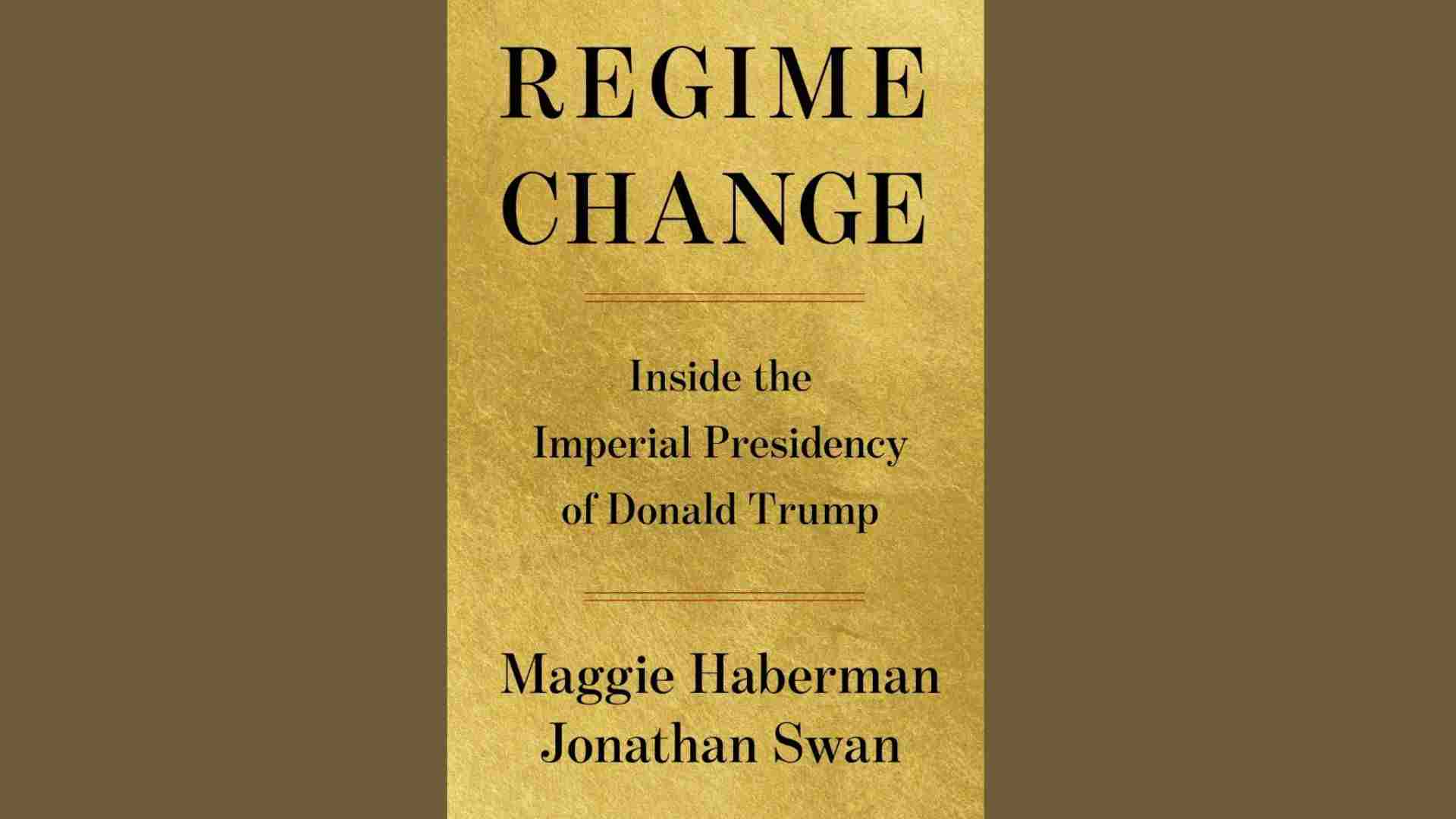

A newly published book has revealed disagreements inside President Donald Trump’s second administration over how to end the war in Ukraine. The book claims that Trump quickly rejected a proposal from Vice President JD Vance to consider Indian or Saudi Arabian troops as peacekeepers in the conflict.
The book, Regime Change, was released on June 23 and offers a detailed account of internal discussions during the early days of Trump’s second term.
Oval Office Meeting Exposed Policy Differences
According to the authors, the disagreement took place during a high-level meeting in the Oval Office on January 30, 2025, only 10 days after Trump returned to the White House.
The meeting focused on shaping the administration’s strategy for ending the Russia-Ukraine war. Retired Army Lieutenant General Keith Kellogg, whom Trump appointed as special envoy for Ukraine and Russia, organized the discussion.
During the meeting, Vice President JD Vance reportedly suggested using troops from countries such as India or Saudi Arabia to monitor a future peace agreement in Ukraine. Trump immediately dismissed the idea. “The Indians won’t do that. They won’t pay for something like that.”
Kellogg Presented an ‘America First’ Peace Proposal
The book says Kellogg introduced a draft plan called “An America First Plan: Trump’s Historic Peace Deal for Russia-Ukraine War.”
The proposal outlined a possible ceasefire arrangement. Under the plan, the United States would not formally recognize Russia’s claims over occupied Ukrainian territories. At the same time, Ukraine would agree not to try to retake those areas through military action.
A major part of the proposal involved deploying foreign peacekeeping forces to monitor the ceasefire. Kellogg suggested that several European countries, including France, Britain, and the Netherlands, could provide troops for the mission.
Vance Warned Against NATO Troops
The proposal reportedly drew concerns from Vance. According to the book, he argued that placing troops from NATO member countries inside Ukraine could anger Moscow and increase tensions. He feared Russia might view such a move as a direct provocation.
Vance reportedly warned that the deployment could increase the risk of a wider conflict and potentially draw the United States deeper into the war.
Looking for alternatives, Vance asked National Security Adviser Michael Waltz whether non-European countries could take part in a peacekeeping mission. After Waltz agreed that such an option could be preferable, Vance suggested India and Saudi Arabia as possible contributors.
Trump Dismissed India’s Potential Role
The book claims Trump rejected the idea despite speaking positively about Indian Prime Minister Narendra Modi. According to the authors, Trump said Modi “really liked him and wanted to visit.” However, he still doubted that India would participate in or fund such a mission.
“Prime Minister Modi really liked him and wanted to visit, Trump said, but the Indians do not ever pay for anything,” the book states, with Trump reiterating that “they won’t pay for something like that.”
Trump reportedly said he would not oppose Britain or France sending troops if they wished to do so, as long as the United States avoided financial and military commitments.
Book Describes Deep Skepticism Toward Ukraine
The book also portrays an administration that held strong doubts about Ukrainian leadership. During Kellogg’s presentation, Trump reportedly interrupted several times to criticize Ukrainian President Volodymyr Zelenskyy.
According to the authors, Trump called Zelenskyy a “bad negotiator” who had “destroyed his country” but was “really good at getting stuff from the Biden administration.”
The book further claims that Trump described Ukraine as “the most corrupt country in the world.”
Secret Negotiations Raised Questions
One of the book’s most striking claims involves the administration’s handling of negotiations with Russia. According to the authors, Trump instructed Kellogg’s transition team not to contact Russian officials.
“Nobody on your team can talk to these people, because we’re working a deal,” Trump reportedly told them.
The book says Kellogg never learned who Trump meant by “we.” The authors suggest Trump may have already assigned negotiations to an undisclosed third party outside traditional government channels.
They argue this reflected Trump’s preference for relying on his personal instincts and trusted contacts rather than established diplomatic processes.
White House Yet to Respond
The White House has not officially commented on the claims made in Regime Change. While the book provides a detailed account of internal discussions, its allegations remain unverified by the administration. Nevertheless, the publication offers a rare glimpse into policy debates and decision-making inside Trump’s second-term White House as officials searched for a path to end the war in Ukraine.