
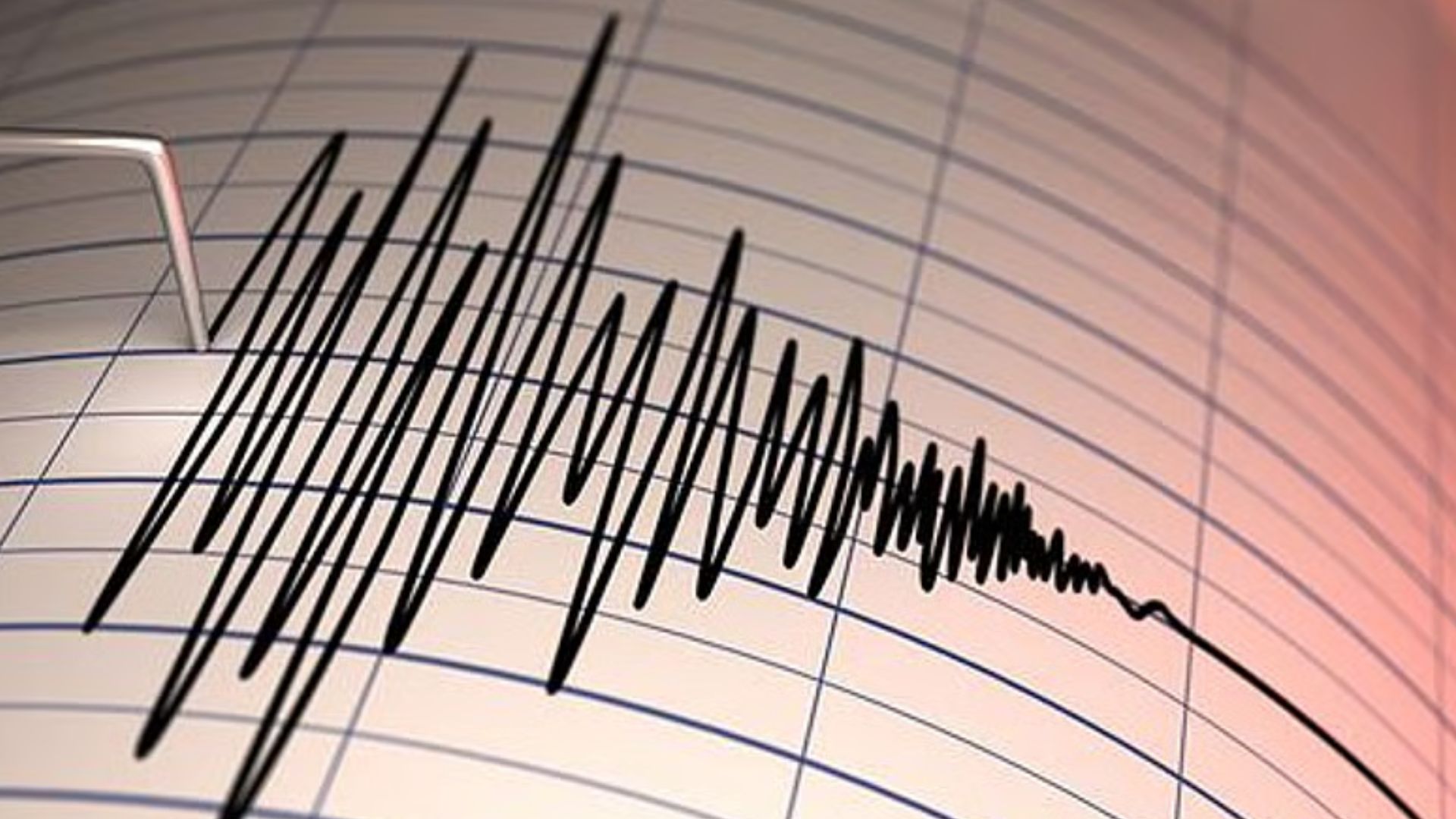

A 4.9-magnitude earthquake struck Venezuela on Friday afternoon, adding to the country's misery just two days after two devastating earthquakes killed hundreds of people and caused widespread destruction. According to the report, people in the cities of Caracas and Maracay felt the latest tremor, raising fresh concerns among residents already shaken by the earlier disasters.
Death Toll Continues to Rise
Meanwhile, the death toll from Wednesday's twin earthquakes climbed to 920, National Assembly President Jorge Rodriguez confirmed on Friday. The two powerful earthquakes, measuring 7.2 and 7.5 in magnitude, struck northern Venezuela late Wednesday, leaving thousands of buildings damaged and entire communities in ruins.
As rescue operations entered the critical 48- to 72-hour period, survivors continued searching through collapsed buildings in hopes of finding people trapped under the debris. However, many residents in the hardest-hit areas said government rescue efforts had not yet reached them in sufficient numbers.
International Rescue Teams Join Operations
At the same time, international support continued to grow. More than two dozen foreign rescue teams either arrived in Venezuela or prepared to deploy to the affected regions. The United Nations announced that nearly 1,000 emergency responders from 25 international search-and-rescue teams were joining relief operations to assist local authorities.
United States Announces Aid Package
The United States also stepped up its humanitarian response. Washington announced that it would deploy two warships, transport aircraft and helicopters to support relief efforts. In addition, the US pledged $150 million in humanitarian assistance. Furthermore, the US temporarily eased certain economic sanctions to facilitate financial transactions linked to earthquake relief operations.
Millions Could Be Affected
The International Organization for Migration estimated that as many as 6.76 million people could be affected by the disaster, including nearly 2 million residents in the capital, Caracas. Meanwhile, the International Red Cross said many survivors remained too afraid to return to their damaged homes because of continuing aftershocks and fears of further building collapses.
Families Struggle for Basic Supplies
In severely affected areas such as Catia La Mar, residents lined up to receive essential supplies, including food and drinking water. Many families also moved into parks and other open public spaces, setting up temporary shelters with tents and tarpaulins after their homes became unsafe.
Experts Explain the Scale of the Disaster
According to the US Geological Survey, both major earthquakes originated near Moron on Venezuela's Caribbean coast, around 170 kilometres west of Caracas. Experts said the combination of two powerful earthquakes occurring within a short period and their relatively shallow depth significantly increased the level of destruction across northern Venezuela.
As aftershocks continue and rescue teams race against time, authorities fear the number of casualties could rise further while millions of people remain in urgent need of shelter, food and medical assistance.