
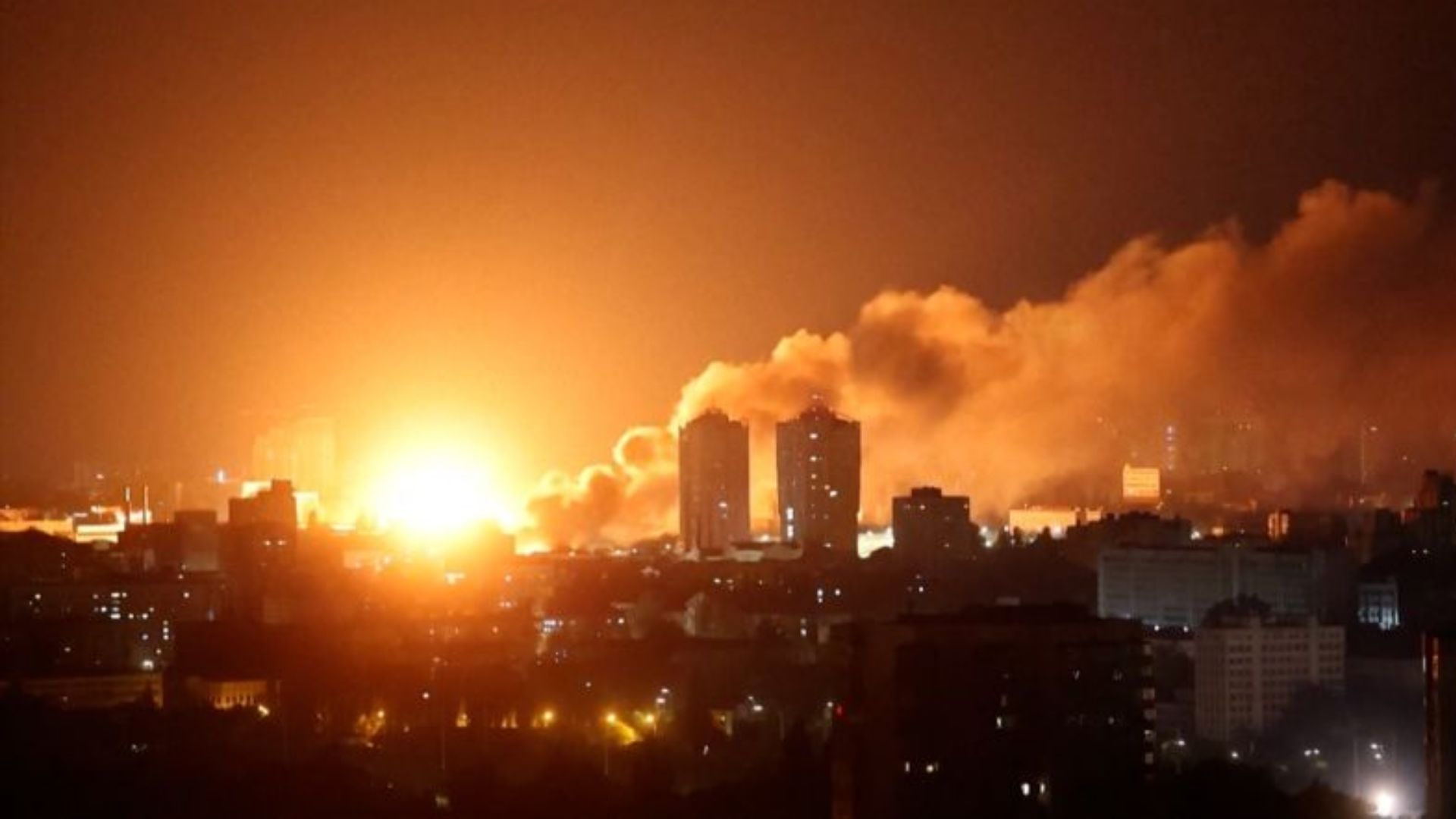

Ukraine has intensified its long-range drone campaign against Russia by targeting another oil refinery, adding more pressure on Moscow’s energy sector. The latest attack came just after Russian President Vladimir Putin admitted that the country is facing fuel shortages and promised stronger protection for oil facilities while increasing fuel production.
The renewed strikes are part of Ukraine’s strategy to weaken Russia’s military capabilities as the war moves into its fifth year. Kyiv has increasingly focused on attacking energy infrastructure and defence-related facilities deep inside Russian territory to disrupt the Kremlin’s war effort.
Zelenskyy says refinery attacks weaken Russia’s war machine
Ukrainian President Volodymyr Zelenskyy confirmed that Ukrainian forces had successfully struck two Russian oil refineries. “Our ‘long-range sanctions’ reached two oil refineries in Russia,” Zelenskyy wrote on Telegram on Sunday. “Each (strike) means a reduction in the resources that fuel the Russian war machine, and another step toward peace.” Ukraine believes these attacks reduce Russia’s ability to support military operations by damaging critical fuel supplies.
Refinery strikes worsen Russia’s fuel shortage
Repeated Ukrainian drone attacks have significantly affected Russia’s fuel supply network. Damage to oil refineries has disrupted fuel production, leading to gasoline shortages and fuel rationing in several areas.
Speaking to Russian television, Putin acknowledged the impact of the attacks. He said Ukraine was trying to divide Russian society and force Moscow to stop military operations while creating favourable conditions for peace negotiations that would benefit Kyiv. “We will not give them that chance,” Putin said, adding that “strikes on our infrastructure, wherever they are directed, have absolutely no effect on the situation at the front, on the line of contact.”
Putin rejects Ukraine’s proposal to limit deep strikes
Putin also revealed that Ukraine had suggested both sides stop carrying out long-range strikes deep inside each other’s territory. According to the Russian leader, Kyiv made the proposal because Russian attacks inside Ukraine are more destructive and powerful than Ukrainian strikes inside Russia.
He further claimed that Ukraine had proposed restricting combat to the four regions that Russia claims to have annexed but does not fully control—Donetsk, Luhansk, Kherson, and Zaporizhzhia.
However, Putin dismissed the idea. He argued that limiting fighting to those regions would allow Ukraine to move troops from other frontlines and concentrate its forces against Russian advances in southeastern Ukraine.
Ukrainian drone attack sparks refinery fire
Meanwhile, another Ukrainian drone attack caused a fire at an oil refinery in Slavyansk-na-Kubani, located in Russia’s Krasnodar region east of occupied Crimea. Regional Governor Veniamin Kondratyev said falling debris from intercepted drones ignited the blaze at the refinery. Local authorities reported that one person was killed in Slavyansk, while another suffered injuries in a nearby village after drone debris fell in the area.
Drone threat disrupts transport and airport operations
The latest wave of drone attacks also disrupted transport infrastructure in Russia. Yaroslavl Governor Mikhail Evraev said several roads connecting Moscow and Yaroslavl were temporarily closed because of what he described as “an enemy attack by Ukrainian drones.”
In addition, Russia’s aviation authority temporarily suspended operations at Yaroslavl Airport and several airports across southern and western parts of the country as a safety precaution.
Russia promises more fuel supplies to Crimea
Responding to growing fuel shortages, Putin pledged to increase fuel deliveries to Crimea through both land and sea routes. He expressed confidence that the government would quickly resolve supply issues in the Black Sea peninsula.
Russia’s Deputy Prime Minister Alexander Novak also said the government is reviewing fuel export agreements to ensure domestic demand is met before allowing exports. The latest refinery attacks highlight Ukraine’s continued effort to target Russia’s energy infrastructure, while Moscow works to protect its fuel supplies and maintain support for its military operations.