
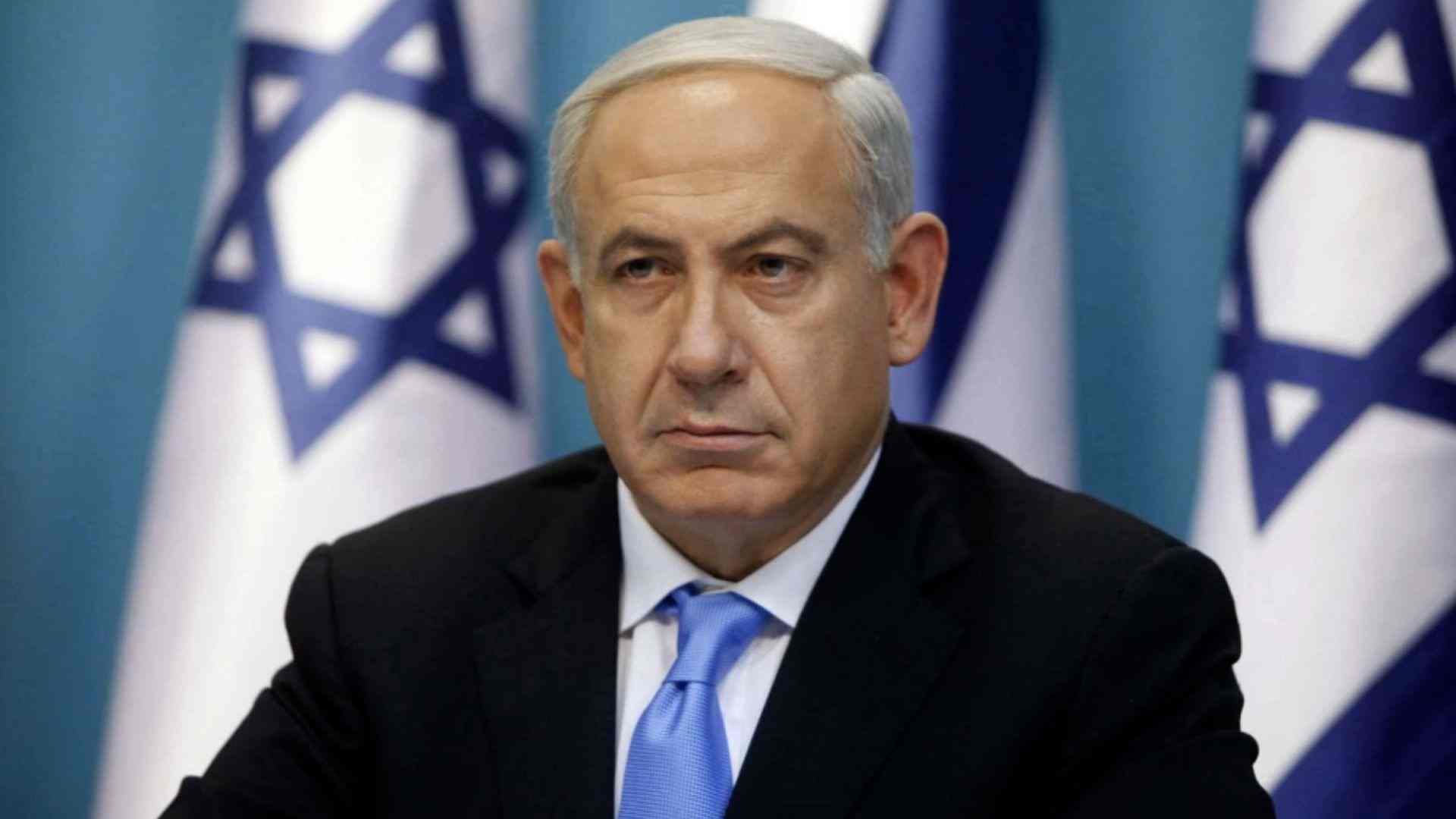

Israel’s military has reportedly cancelled all leave for its personnel as concerns grow that Prime Minister Benjamin Netanyahu may be preparing another military operation against Iran. The move has raised fresh questions about whether Israel could launch a new strike without direct US support.
According to Israeli Channel 13, Israel is reportedly considering unilateral military action after concluding that Washington is no longer prepared to continue the conflict on terms favoured by Jerusalem.
US Looks For Way Out As Israel Considers Independent Action
The United States is reportedly seeking a way to reduce its involvement in the conflict. US Gen Dan Caine is said to be “looking for an off ramp" and believes airpower alone cannot defeat Iran.
Israel, however, reportedly has a different assessment. Israeli officials are said to believe that diplomatic efforts led by Washington have reached a dead end.
Israel also reportedly believes that Iran has managed to withstand the military campaign despite sustained attacks.
Against this backdrop, Netanyahu has reportedly authorised assassination operations targeting senior Iranian regime officials and members of the Islamic Revolutionary Guard Corps (IRGC).
However, launching a new operation without direct American backing could carry significant risks for Israel. Iran could respond by making Israeli territory the main target of its retaliation.
Iran Warns Israel Of Attacks On Haifa And Tel Aviv
Iran has already warned that it could target Israel’s Haifa refinery and Tel Aviv if Israel takes further military action.
Such a response could create serious challenges for Israel because reports suggest that its stockpile of missile interceptors has fallen to critically low levels.
Iran has previously shown that it can penetrate Israeli air-defence systems during large-scale missile attacks. A fresh Israeli strike could therefore trigger another wave of Iranian retaliation.
The situation could become particularly dangerous if Iran launches a large number of missiles at the same time. Israel’s ability to intercept those attacks could be affected by its reportedly reduced supply of defensive missiles.
Netanyahu Faces Political Pressure Ahead Of Elections
Domestic politics could also influence Netanyahu’s calculations.
With elections expected in October, Netanyahu is under pressure to strengthen his political position. A successful military operation against Iran could provide him with a major political boost.
As a result, some reports have described another strike against Iran as Netanyahu’s last major option to demonstrate military strength.
However, the strategy also carries political risks. Iran has already shown that it can absorb attacks and continue operating despite pressure from the United States.
If Israel launches another operation alone and fails to achieve its objectives, it could reinforce the argument that Israel cannot defeat Iran without American military support.
Why Did Israel Cancel Military Leaves?
The reported cancellation of all military leave has attracted particular attention because Israel has taken a similar step before major military operations.
The Israel Defence Forces (IDF) reportedly cancelled military leaves on February 26. Two days later, strikes targeted the compound of Iran’s Supreme Leader.
The similarity between the two situations has fuelled speculation that Israel could once again be preparing for a major operation.
Cancelling leave allows the military to ensure that more personnel remain available for immediate deployment. Such a move can be associated with preparations for a major operation, heightened readiness or a possible escalation.
However, the cancellation of leave alone does not confirm that a new attack on Iran is imminent.
Iran Sets Conditions For Reopening Strait Of Hormuz
The reports of a possible Israeli strike come as Iran continues to demand major concessions from the United States in negotiations over the Strait of Hormuz.
The strategic waterway is one of the world's most important routes for oil shipments. Any prolonged disruption could have a major impact on global energy supplies and prices.
Mohammad Bagher Zolghadr, secretary of Iran’s Supreme National Security Council, said Washington must “correct its behaviour".
Iran has also laid out several conditions for reopening the Strait of Hormuz.
Among its demands are the removal of US sanctions and compensation for damages caused by the war.
The demands add another layer of complexity to the ongoing negotiations. While the United States is seeking to restore normal shipping through the strategic waterway, Iran is using the situation to press for wider political and economic concessions.
New Israel Iran Escalation Could Have Wider Impact
The possibility of another Israeli strike comes at a sensitive moment. Washington is reportedly looking for a way to reduce its involvement, while Israel is considering whether it can continue military action independently.
At the same time, Iran is warning of direct retaliation against Israeli targets, including Haifa and Tel Aviv.
Israel’s reported shortage of interceptor missiles could make any new Iranian response particularly challenging. Meanwhile, Iran’s demands over the Strait of Hormuz have linked the military conflict to a wider dispute over sanctions, compensation and control of a crucial global shipping route.
The reported cancellation of military leaves has therefore raised concerns about another possible escalation. However, whether Israel will actually launch a new strike, and whether it would receive US support, remains uncertain.