
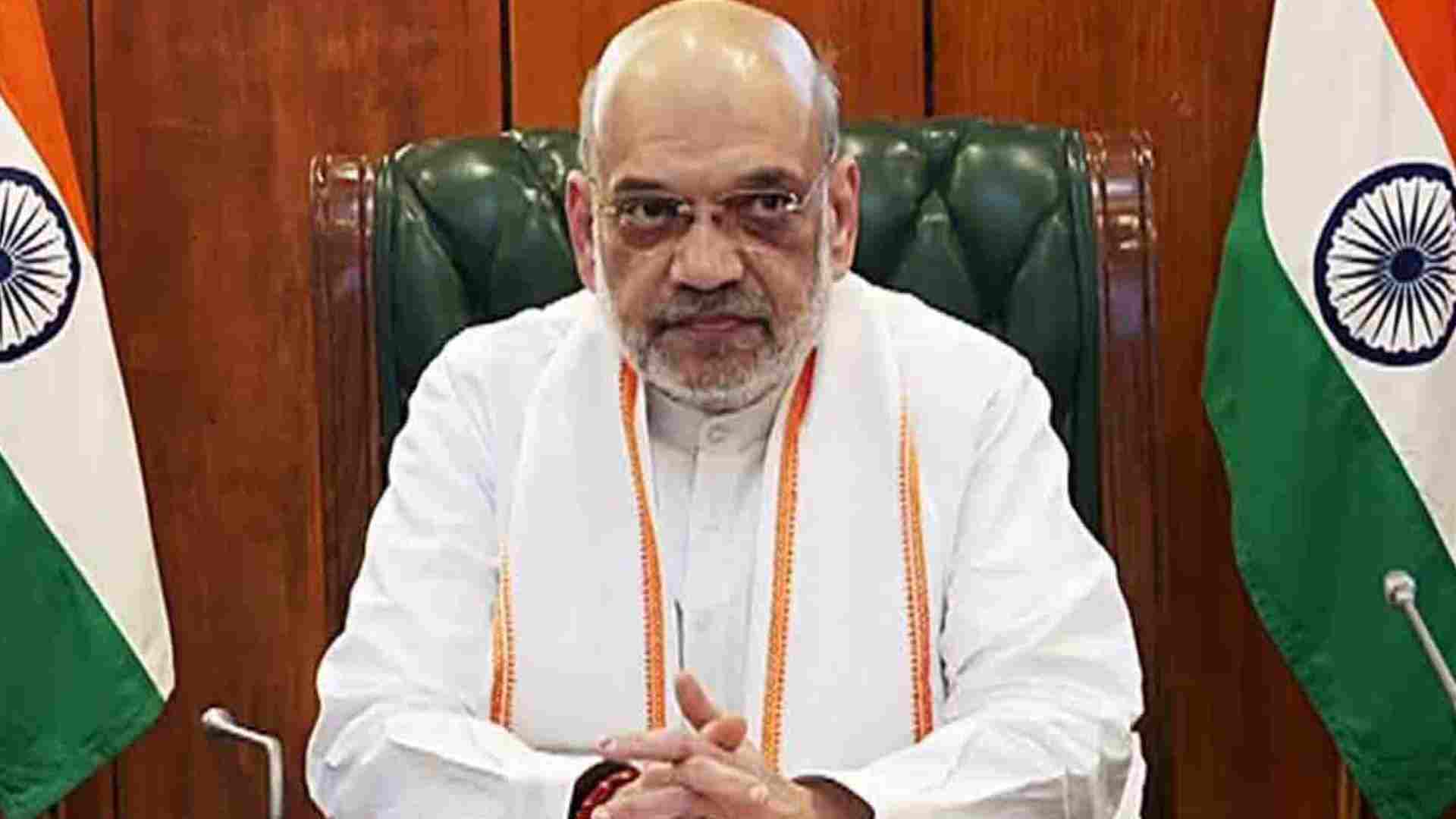

Union Home Minister Amit Shah is set to introduce two important bills in the Lok Sabha on Monday as Parliament continues to face disruptions. One bill proposes changing the official name of Kerala to “Keralam”. The other seeks to give the National Co-operative Development Corporation (NCDC) wider powers to provide financial support to organisations involved in cooperative development.
The developments come with only four working days remaining in the ongoing Monsoon Session. At the same time, Opposition parties continue to demand a statement from Shah over alleged police action against students during a protest march on July 20.
Bill proposes changing Kerala’s name to Keralam
The Kerala (Alteration of Name) Bill, 2026 seeks to amend the First Schedule of the Constitution. If approved, the amendment will officially change the name of the state from Kerala to “Keralam”.
The proposal comes after the Kerala Legislative Assembly passed a resolution supporting the change. The Union Cabinet has also approved the proposal, clearing the way for its introduction in Parliament. The bill will now have to go through the parliamentary process before the proposed name change can take effect.
NCDC Bill seeks to expand financing powers
The second legislation, the National Co-operative Development Corporation (Amendment) Bill, 2026, focuses on expanding the financial role of the NCDC.
Under the existing framework, the corporation mainly provides financial assistance to programmes implemented through cooperative societies. The proposed amendment would significantly widen this scope. Under the draft legislation, the NCDC would also be able to finance different organisations that work in the field of “co-operative development”.
The government has argued that the cooperative sector has changed considerably over the years. It says the sector has “expanded and diversified considerably”, creating a need to update the NCDC's legal framework.
More organisations could receive NCDC funding
The statement of objects and reasons attached to the bill explains that several organisations now support cooperative societies in different areas. These include statutory bodies, state government agencies and specialised organisations. They provide services related to infrastructure, technology, processing, marketing and finance.
However, many of these organisations are not registered as cooperative societies. As a result, the NCDC cannot directly finance them under the current law.
The government says this has led to “procedural delays and limited uptake”. In many cases, funding proposals have to pass through state governments or cooperative societies. The proposed amendment aims to remove this limitation.
The NCDC would be allowed to provide loans and grants directly to cooperative societies as well as to “any entity engaged in co-operative development”. With prior approval from the Centre, it would also be able to invest in the share capital of such organisations.
Eligibility of entities remains a key question
The wider definition has raised questions about the types of organisations that could become eligible for NCDC assistance. L Viswanathan, senior partner at Cyril Amarchand Mangaldas, said the provision should not be understood as allowing every type of organisation to access NCDC funding.
“The key is that these entities must be engaged in co-operative development,” he said. According to Viswanathan, the NCDC board would determine whether an organisation qualifies. The decision would depend on the organisation's purpose and mandate.
Bill adds several new powers to NCDC
The proposed legislation goes beyond expanding the list of organisations eligible for funding. It also seeks to broaden the definition of foodstuffs. This would allow additional food items notified by the Centre to come within the scope of the law.
The bill also proposes removing geographical restrictions related to financing industrial goods. In addition, it seeks to replace outdated references in the existing law. Another major provision would allow the NCDC to collect and share credit information with banks and other financial institutions. The corporation would also receive certain incidental powers to perform its functions more effectively.
The proposed law further allows the NCDC to acquire equity in organisations involved in cooperative development. However, such investments would require prior approval from the Centre.
Safeguards proposed for use of NCDC funds
The expanded powers have also raised questions about safeguards and monitoring of funds. Viswanathan said the law itself contains restrictions on how the money can be used. He pointed to provisions requiring audits and reports by the NCDC.
“The end use of the funds is specified in the law. The law provides for audits and reports to be filed by NCDC. Anything beyond that will be ultra vires,” he said.
He also said equity investments would face additional checks and balances concerning how the funds are used and the activities of the organisations receiving them.
Opposition renews demand for Shah’s statement
Meanwhile, the political standoff in Parliament continued to intensify on Sunday. The Congress stepped up its demand for a statement from Shah over alleged police excesses during the July 20 march to Parliament. Opposition parties have been pressing the government to respond to the incident as the Monsoon Session enters its final days.
Congress leader Jairam Ramesh compared the current demand with the Opposition's earlier demand for a statement from Shah after the Parliament security breach on December 13, 2023. Ramesh said the government should not repeat what the Opposition described as its earlier silence. “History should not be repeated.”
He further alleged that the Opposition had repeatedly demanded a statement from the Union Home Minister after the 2023 Parliament security breach but did not receive one.
“The entire opposition repeatedly demanded that the Union Home Minister make a statement on this (Parliament breach) incident, but no statement came from him. They remained silent even then, just as they are now silent on the brutality inflicted by the Delhi Police on the youth who were protesting last month,” he said on X.
With Parliament having only four days left in the session, the government faces the task of moving its legislative agenda while the Opposition continues to push for a discussion on the July 20 protest and alleged police action.