
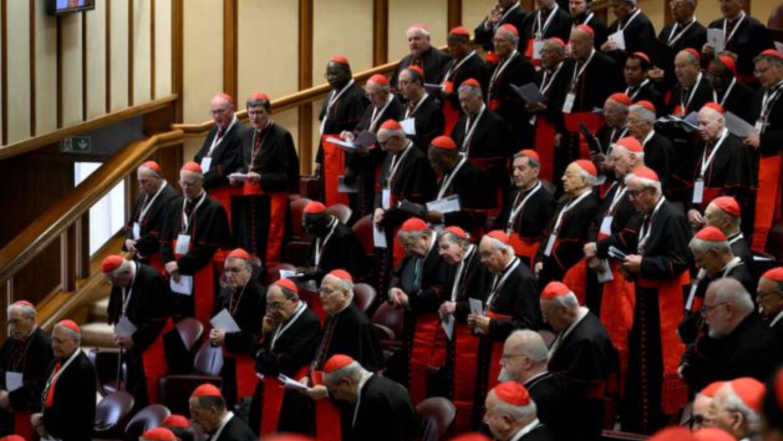

After the death of Pope Francis, the Roman Catholic Church has entered an important phase. The position of the Pope is now vacant, and a long-established tradition has begun. Cardinals from across the globe are arriving at the Vatican to honour the Pope’s passing. Once the mourning period ends, attention will turn to the next major step — the papal conclave in Vatican City. This is where cardinals will vote to elect the next head of the Church.
What Is a Cardinal and How Are They Chosen?
A cardinal is a senior official in the Catholic Church. The term comes from the Latin word “cardinalis,” meaning “principal.” Cardinals are personally selected by the Pope to help him run the Church.
These high-ranking leaders often head important departments in the Vatican, called dicasteries, which function like ministries in a government. Officially, their full title is Cardinal of the Holy Roman Church.
The group of all cardinals is called the College of Cardinals. It is led by a dean, currently 91-year-old Italian Giovanni Battista Re. Although the title of cardinal does not imply a specific role, many cardinals are bishops of dioceses worldwide. Others work in the Vatican and live in Rome.
Who Can Vote in the Papal Conclave?
Not all cardinals can vote in the conclave to choose a new Pope. Out of the 252 cardinals currently in the College, only those under the age of 80 are allowed to vote. These individuals are known as cardinal electors.
At present, there are 133 cardinals eligible to cast votes during the conclave. This important and secretive event takes place inside the Sistine Chapel. The process involves strict rules, traditional rituals, and complete privacy.
Why Are Cardinals “Created” Instead of Named?
The Church uses the word “created” instead of “appointed” when assigning someone the title of cardinal. This ancient term comes from Roman times and refers to raising someone’s status based on personal merit. It is different from simply filling an empty position.
According to the Church’s guidelines, the Pope can create cardinals from among men who are “truly outstanding in doctrine, virtue, piety and prudence in practical matters.”
The Meaning Behind the Red Robes
Cardinals wear red to symbolise their readiness to sacrifice for the Church. Historically, red was also associated with authority and honour in the Roman Senate. Over time, it came to represent the blood of Christ in the Christian faith.
Their traditional clothing includes a red outfit, a ring often set with a sapphire, a pectoral cross, a ceremonial staff (called a crosier), and a mitre, which is a pointed hat.
Why Creating Cardinals Can Be a Strategic Move
Appointing cardinals is not just a religious action — it also reflects the Pope’s vision and politics. Every Pope tries to shape the future of the Church through these appointments. Pope Francis, for example, chose many cardinals from remote and often overlooked parts of the world, rather than focusing only on Europe.
How Pope Francis Reduced Cardinals’ Privileges
Cardinals, who hold the title of “Eminence,” are second only to the Pope in Church ranking. They can conduct religious services in all churches outside Rome, and many are buried in churches after death.
However, their privileges have been reduced over time. During the Second Vatican Council, many traditional benefits were removed. In the past, cardinals had large residences with throne rooms and reserved compartments on trains.
Pope Francis introduced more changes. In 2023, he announced that cardinals could no longer stay in Vatican apartments for free. Earlier in 2021, he had already cut their salaries to help reduce the Vatican’s financial problems caused by the COVID-19 pandemic.