
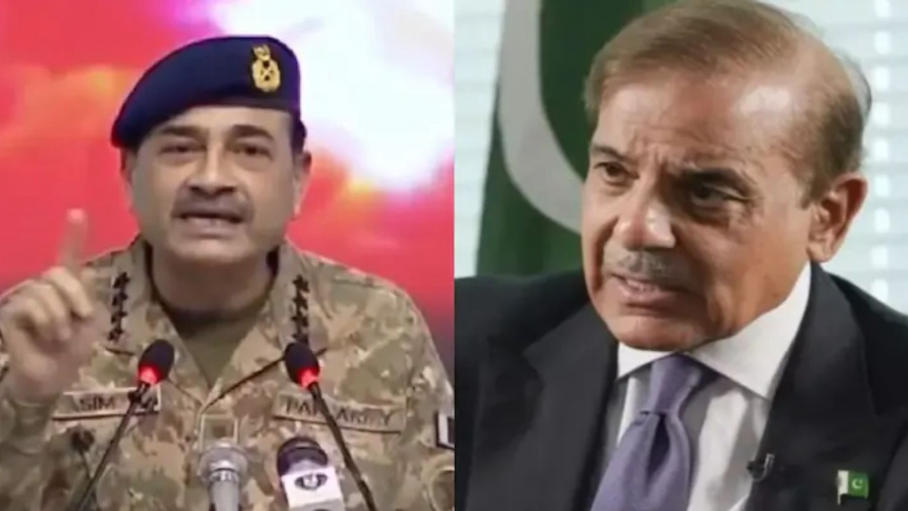

Earlier this week, the Balochistan Assembly passed the Counter-Terrorism (Balochistan Amendment) Act 2025. The move immediately triggered criticism from Baloch civil society and international human rights groups.
Military Can Now Detain Without Charges
This law allows Pakistan’s military and intelligence agencies to hold suspects for up to 90 days without any formal charges. Officials can arrest people only on suspicion, bypassing the courts.
Legal Experts Raise Red Flags
After the law passed, lawyers and activists warned it removes judicial protections. They believe it legalises the same abuses that security forces have been accused of for years.
Joint Teams Get More Power
The Act gives Joint Investigation Teams (JITs) expanded powers. These teams can now issue detention orders and perform ideological profiling of suspects. Military officers will now sit on the law’s oversight panel—weakening civilian authority.
Police Can Act Without Court Orders
Law enforcement agencies can now search homes, arrest people, and seize property without needing court approval. This shift has sparked fears of state overreach and abuse.
Disappearances Already Haunt Balochistan
The province has long seen enforced disappearances. Families wait years to hear about missing relatives. Activists now say this law turns those hidden crimes into legal actions.
Activists Condemn the Law
The Baloch Yakjehti Committee (BYC) called the new law a threat to civilian life. “This Act transforms Balochistan into a legalised detention zone,” said the group. They believe the region is moving toward total militarisation.
Comparisons to Global Atrocities
BYC compared the law to tactics used in Nazi Germany and China’s Xinjiang region. They added that the law violates Pakistan’s Constitution, especially Article 10, and breaks the country’s promises under international law.
Call for Global Intervention
In a strong statement, BYC urged the United Nations and global human rights bodies to intervene. They warned that silence would equal complicity. “Silence now is complicity,” the group declared, demanding immediate pressure on Islamabad to repeal the law.