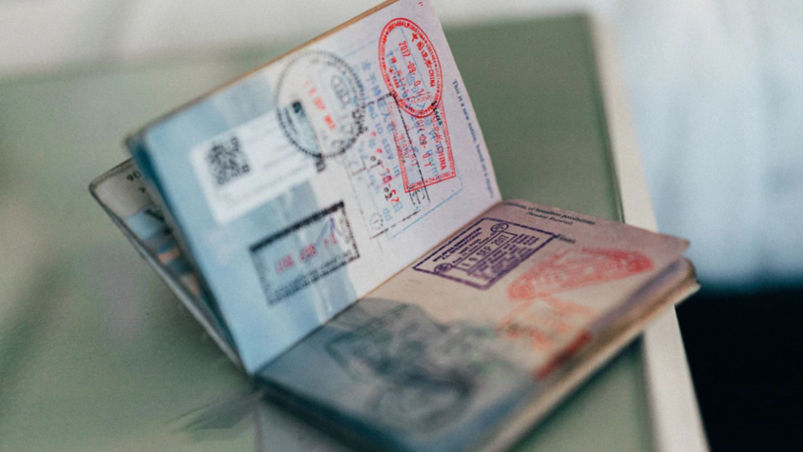
The new H-1B visa regulations in the United States go into effect today, just three days before Donald Trump's inauguration as President. Announced by the Department of Homeland Security (DHS), these changes aim to reduce fraud and promote fairness. The revised rules directly address concerns raised by employers, employees, and advocacy groups.
The updated H-1B program focuses on ensuring transparency, fairness, and efficiency. By doing so, it will help US companies fill crucial roles, meet labor demands, and bolster the economy.
“Proposed changes to improve the H-1B programme would create jobs and benefit not only US employers but also professionals who want to contribute to the United States’ success,” said the DHS.
The H-1B updates are part of broader changes to non-immigrant visa programs, including the L1 and Student visas. The final rule was released on December 18, 2024. On January 17, the USCIS will release a revised Form I-129 to reflect the updates.
Changes to the H-1B Program
The updated H-1B program simplifies the approval process. It offers more flexibility to keep talented workers and enhances program integrity. The rule clarifies H-1B requirements, improves efficiency, and provides more benefits for petitioners and beneficiaries.
The H-1B visa allows US employers to hire foreign workers for jobs that need specialized knowledge, often requiring a bachelor’s degree or higher.
Better Worker Protections and Flexibility
The new rules also strengthen protections for H-2 workers. The H-2 final rule imposes stricter penalties for companies that charge prohibited fees or break labor laws. It also offers more flexibility for H-2A and H-2B workers.
The H-1B updates speed up processing for those already approved for a visa. They also allow beneficiaries with a controlling interest in the petitioning organization to qualify under certain conditions. The rules also give USCIS authority to inspect and impose penalties for non-compliance.
Flexibility for F-1 Visa Students
The new rules give more flexibility to F-1 visa students transitioning to H-1B status. This helps prevent gaps in their legal status and employment during the change.
“The added flexibility to the F-1 visa programme would allow students to gain valuable work experience in the United States, thus creating a more dynamic, innovative, and inclusive workforce,” the US Federal Register stated.
The changes will benefit Indian professionals, who make up a large portion of H-1B holders. In 2023, Indians received 72.3% of the 386,000 H-1B visas issued.