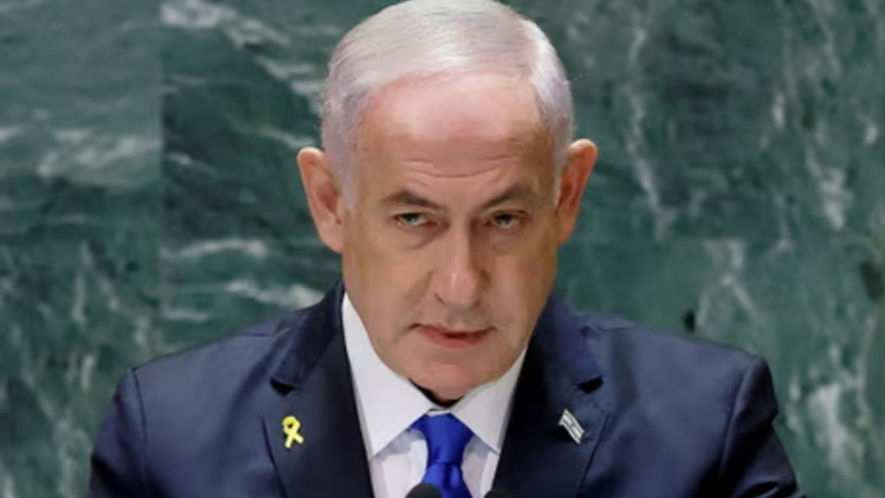
Israeli Prime Minister Benjamin Netanyahu confirmed a
hostage deal with Gaza on Friday. Earlier, his office mentioned last-minute issues delaying a ceasefire to end 15 months of war.
Subsequently, Netanyahu said he would meet his security Cabinet later that day. The government would then approve the long-awaited deal. His early morning statement signaled Israel’s readiness to pause the conflict in Gaza. The deal involves releasing hostages held by Gaza militants in exchange for Palestinian prisoners. Additionally, it allows displaced Palestinians to return home.
Preparations for Hostage Return
Netanyahu instructed a task force to prepare for the hostages’ return. He also informed their families about the deal. Meanwhile, Israeli airstrikes killed at least 72 people in Gaza on Thursday.
Deal Delayed by Disputes
However, Israel postponed the ceasefire vote on Thursday due to a disagreement with Hamas. Internal tensions in Netanyahu's coalition raised concerns about the deal. Although the U.S. and Qatar announced the deal as complete, Israel accused Hamas of backtracking for more concessions. On the other hand, Hamas denied this, saying it stayed committed to the agreement.
Resistance from Netanyahu’s Coalition
Nonetheless, Netanyahu’s far-right coalition partners opposed the ceasefire. Itamar Ben-Gvir, the national security minister, threatened to quit if the ceasefire passed. After Netanyahu’s announcement, Ben-Gvir did not immediately respond.
Call for Immediate Action
In the meantime, Egypt, a key mediator, urged Israel and Hamas to implement the ceasefire quickly. The agreement, meant to pause the war, aims to end a conflict that destabilized the region and sparked global protests.
Background of the Conflict
The war started on October 7, 2023, when Hamas attacked Israel. The attack killed many and took hostages. Consequently, Israel's retaliation caused significant casualties and displacement in Gaza. The ongoing conflict devastated Gaza’s infrastructure and worsened living conditions.
Pressure on Netanyahu
As a result, Netanyahu faced intense pressure to secure the hostages' release. The deal exposed divisions within his government. Ben-Gvir’s possible resignation could weaken the coalition but wouldn't stop the ceasefire.
Despite the ceasefire announcement, Israeli strikes intensified in Gaza. The Health Ministry reported at least 72 deaths. Residents in Gaza, therefore, called for an end to the violence.
Hostage Release and Ceasefire Challenges
Under the deal, 33 hostages will be released over the next few weeks in exchange for Palestinian prisoners. However, the second phase, involving more hostages, depends on further negotiations. Both Hamas and Israel have conditions, complicating a complete ceasefire.
Uncertain Future for Gaza
Finally, U.S. officials praised the ceasefire but left questions about Gaza’s future. The conflict drew international criticism, mainly over civilian casualties. Hamas and Israel continue to face pressure, and the threat of prolonged conflict remains high if issues persist.