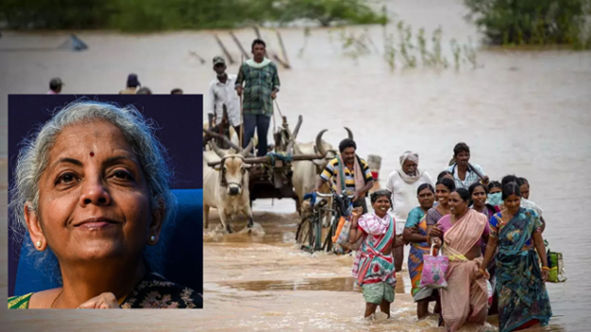
In 2024, India faced relentless extreme weather events. The usual flow of seasons turned chaotic. Heatwaves scorched cities, while monsoon rains flooded streets. Wildfires devoured forests, and cyclones ravaged coastal areas.
The Crisis Continues into 2025
As 2025 begins, the United States experiences its own disaster. Wildfires in California have burned thousands of homes. This serves as a global alarm. The climate crisis is here, and its impact is undeniable.
Lessons from the Past Year
The events of 2024 taught India harsh lessons. Heatwaves and floods have become more common and severe. Rising temperatures now occur 30 times more often due to climate change. This puts public health and economic stability under strain. Additionally, India’s growing population increases resource demand, worsening environmental stress.
The Need for Immediate Action
With the new financial year, the Indian government, led by Prime Minister Narendra Modi, must prioritize climate change. Avantika Goswami, Climate Change Programme Manager at the Centre for Science and Environment (CSE), states, "Incorporating climate considerations into budget planning is crucial. Climate impacts are escalating, and global competition in the green economy is increasing. India must allocate resources for renewable energy, industrial decarbonization, and green technology R&D."
Global Risks and India’s Responsibility
The Global Risks Report highlights that extreme weather is a top threat in the next decade. Rising sea levels, erratic rainfall, and frequent natural disasters show that India cannot lag in its climate efforts.
Saurabh Rai, CEO of Arahas Technologies, urges, "The government must address the climate crisis in Budget 2025 to ensure long-term stability. Inaction could lead to irreversible consequences."
Steps Toward a Sustainable Future
The 2024-25 budget made initial moves, like promoting energy transition and flood management. However, critics say it lacked detailed plans and sufficient funding. To meet its net-zero emissions target by 2070, India must commit more strongly in the upcoming budget.
Investing in Climate Resilience
India must invest in climate adaptation and mitigation strategies. These include strengthening infrastructure to withstand extreme weather, promoting renewable energy, and supporting sustainable agriculture.
Shekhar Singal, Managing Director of Eastman Auto and Power Ltd, highlights progress: "Over 600,000 solar installations in nine months show the growing demand for clean energy."
Collaboration for a Greener Future
International cooperation and funding are essential for India's climate goals. With the U.S. pulling out of the Paris Climate Accords, India has a significant role to play. Enhancing early warning systems and disaster preparedness can minimize economic losses and save lives.
Ashish Agarwal, Head of Solar & Storage at BluPine Energy, notes, "Achieving 500GW of renewable energy by 2030 requires a skilled workforce. Public-private partnerships will be key in training workers for the renewable energy sector."
A Call for Urgency
Ignoring climate change in Budget 2025 would jeopardize India’s environmental integrity and economic stability. Now is the time to act. Prioritizing climate action will secure a resilient future for generations to come.