Developing a drug is a complex process. It involves creating a formula, testing, and gaining regulatory approvals. Typically, the road from planning to market can be long. However, this may soon change. Scientists are working on a new method that could speed up drug development. Moreover, it could enable personalized treatments using existing drugs and reduce costs.
Skeletal Editing: A New Approach
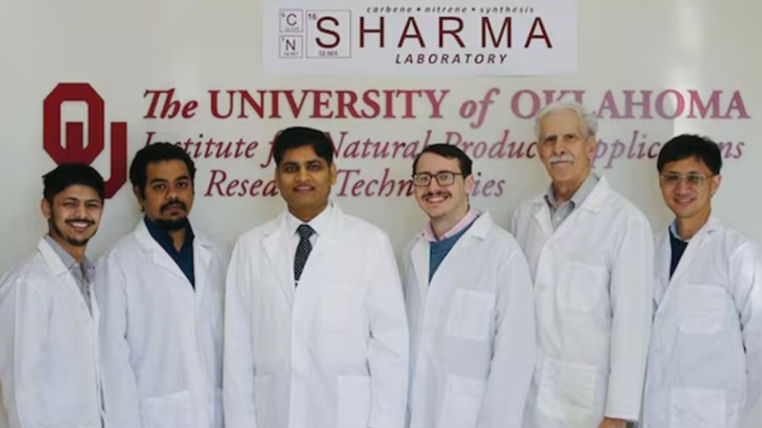
Professor Indrajeet Sharma from the University of Oklahoma, originally from Bulandshahr, Uttar Pradesh, is leading
research in a technique called "skeletal editing." Essentially, this technique allows s
cientists to modify molecules by adding, removing, or swapping atoms in their structure. Instead of building new molecules from scratch, skeletal editing transforms the atomic structure of existing molecules, creating new ones with different properties.
A Cleaner, Safer Method
Sharma and his team use a short-lived chemical called sulfenylnitrene. This chemical helps insert nitrogen atoms into molecules to change their properties. Compared to older techniques, this method is much cleaner, as it avoids using harmful metallic chemicals. Notably, nitrogen is present in 85% of FDA-approved drugs. By adjusting the nitrogen atoms, scientists can repurpose these drugs for different conditions. Consequently, this could lower development costs and lead to the creation of new treatments.
Sharma explains, “Imagine converting a shopping mall into a hospital. Instead of building from scratch, repurposing saves time and resources. That’s how nitrogen editing works for drugs.”
Lowering Costs and Time
This approach shortens drug development timelines and reduces costs. In some cases, the cost has dropped from Rs 10,000 to just Rs 100. Additionally, the yield from skeletal editing has dramatically improved over the years. While the technique initially had a yield of only 6% in the 1970s, it now achieves a 99% success rate.
Looking Ahead
Sharma has not patented the technique. He is open to collaborating with private companies but prefers to work with healthcare start-ups or government bodies. He says, “Big Pharma is focused on profits, not curing people. This technique can make a real difference, especially in India, where healthcare costs must be lowered.”