Estonia, Latvia, and Lithuania proudly announced that they had successfully synchronized their electricity systems with the European continental power grid on Sunday. This milestone came after the countries severed long-standing energy ties with Russia and Belarus.
Ursula von der Leyen’s Praise
European Commission President Ursula von der Leyen immediately praised the move, calling it a historic step toward energy freedom for the region. She stated, “These chains of power lines linking you to hostile neighbours will be a thing of the past,” during a ceremony in Vilnius, alongside the Baltic leaders.
Years of Debate and Increased Momentum
Although the shift from Russia's grid had been debated for years, it gained significant momentum after Russia’s annexation of Crimea in 2014 and the invasion of
Ukraine in 2022. Consequently, the move aims to integrate the Baltic states more closely with the European Union and strengthen their energy security.
The Disconnection and Celebration
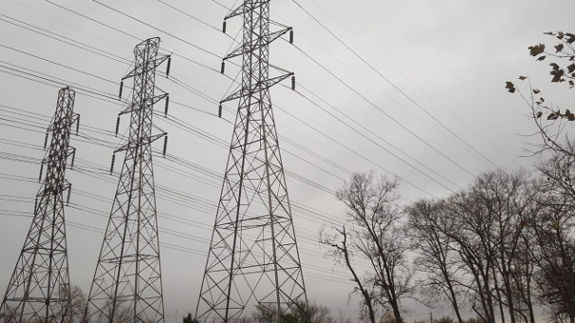
On Saturday, the three countries officially disconnected from the IPS/UPS network, once controlled by Russia. In eastern Latvia, they dismantled high-voltage transmission lines located near the Russian border. As a symbolic gesture, bystanders received pieces of the severed wires as souvenirs, marking a historic moment.
Rising Tensions in the Baltic Sea
Meanwhile, the Baltic Sea region has been on high alert due to power, telecom, and gas pipeline disruptions between the Baltics, Sweden, and Finland. These outages are suspected to be caused by ships dragging anchors along the seabed. The situation has worsened since Russia’s invasion of Ukraine, although
Russia denies any involvement in these incidents.
Increased Monitoring and Warnings
In response to these incidents, Poland and the Baltic states deployed navy assets, elite police units, and helicopters to monitor the area. Additionally, Lithuania’s military began drills to protect the overland connection to Poland. Experts warn that further damage to these links could cause energy prices to soar, reminiscent of the price hikes following Russia’s invasion of Ukraine.
Final Severing of Ties with Russia
The disconnection from Russia’s grid marks the final severing of energy ties between the three Baltic nations and their former Soviet overlord. These countries gained independence in the early 1990s after the Soviet Union collapsed and subsequently joined the EU and NATO in 2004.
Energy Stability Challenges
While the Baltic states had relied on Russia’s grid to stabilize their networks and prevent power outages, they will now face greater challenges in maintaining a constant power supply. Analysts argue that a stable grid frequency is easier to maintain in larger, synchronized networks like Russia’s or Europe’s.
Russia’s Response to Kaliningrad
As a result, the disconnection also cuts off Russia’s Kaliningrad exclave from the Russian grid. However, the Kremlin stated it has already taken measures to ensure Kaliningrad’s power stability, including the construction of gas-fired power plants in the region.