
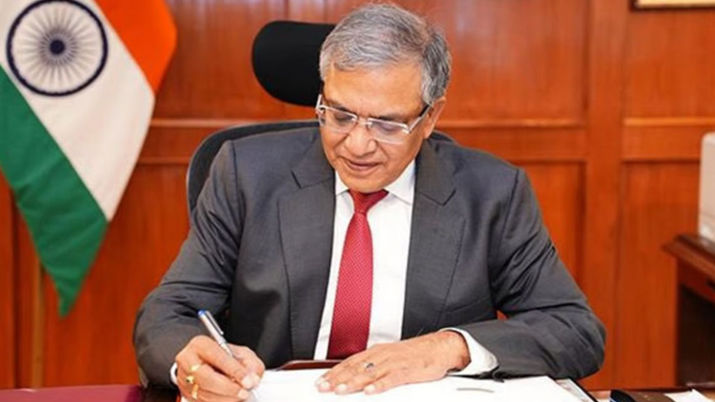

Gyanesh Kumar, the senior Election Commissioner, has been appointed as the new Chief Election Commissioner. The government made the announcement today. Kumar will take charge of overseeing elections in five states: Bengal, Kerala, Tamil Nadu, Bihar, and Assam. The Bihar election will be held later this year, while the others are scheduled for 2026.
Kumar’s Responsibilities and Term
As Chief Election Commissioner, Kumar will serve until January 26, 2029. During this time, he will lead the Election Commission through 20 Assembly elections. Additionally, he will manage the Presidential and Vice-Presidential elections in 2027 and prepare for the 2029 Lok Sabha elections.
Election Committee’s Meeting and Dissent
The announcement followed a meeting of the Election Committee, which included Prime Minister Narendra Modi, Union Home Minister Amit Shah, and Leader of the Opposition Rahul Gandhi. Gandhi expressed his dissent at the meeting, signaling his objection to the appointment.
Kumar’s Background and Experience
Kumar, an IAS officer from Kerala, has a background in the Union Home Ministry. He was instrumental in drafting the 2019 bill that revoked Article 370 in Jammu and Kashmir. Kumar is known to have close ties with Amit Shah, which has further fueled the controversy surrounding his appointment.
Congress Raises Concerns
The Congress party has strongly objected to the appointment, especially since the Supreme Court is set to hear a challenge to the law governing the Chief Election Commissioner’s selection. Congress has accused the government of trying to control the Election Commission, thereby undermining its credibility.
Government Moves Forward with Appointment
Despite the opposition’s concerns, the government moved ahead with the appointment. Sources explained that the government wanted to avoid leaving a vacancy in the Election Commission. Furthermore, they noted that the Supreme Court had not issued a stay on the appointment, and legal advice had been sought before proceeding.
Changes to the Appointment Process
The new Chief Election Commissioner and Other Election Commissioners (Appointment, Conditions of Service and Term of Office) Act, 2023 introduces changes to the selection process. A committee, led by the law minister, now shortlists candidates, and the final decision is made by a panel consisting of the Prime Minister, the Leader of the Opposition, and a cabinet minister.
Challenges to the New Law
The revised law has sparked controversy, especially with the replacement of the Chief Justice of India by a cabinet minister in the selection committee. Petitioners argue that this change disrupts the balance of power and threatens the neutrality of the process.