
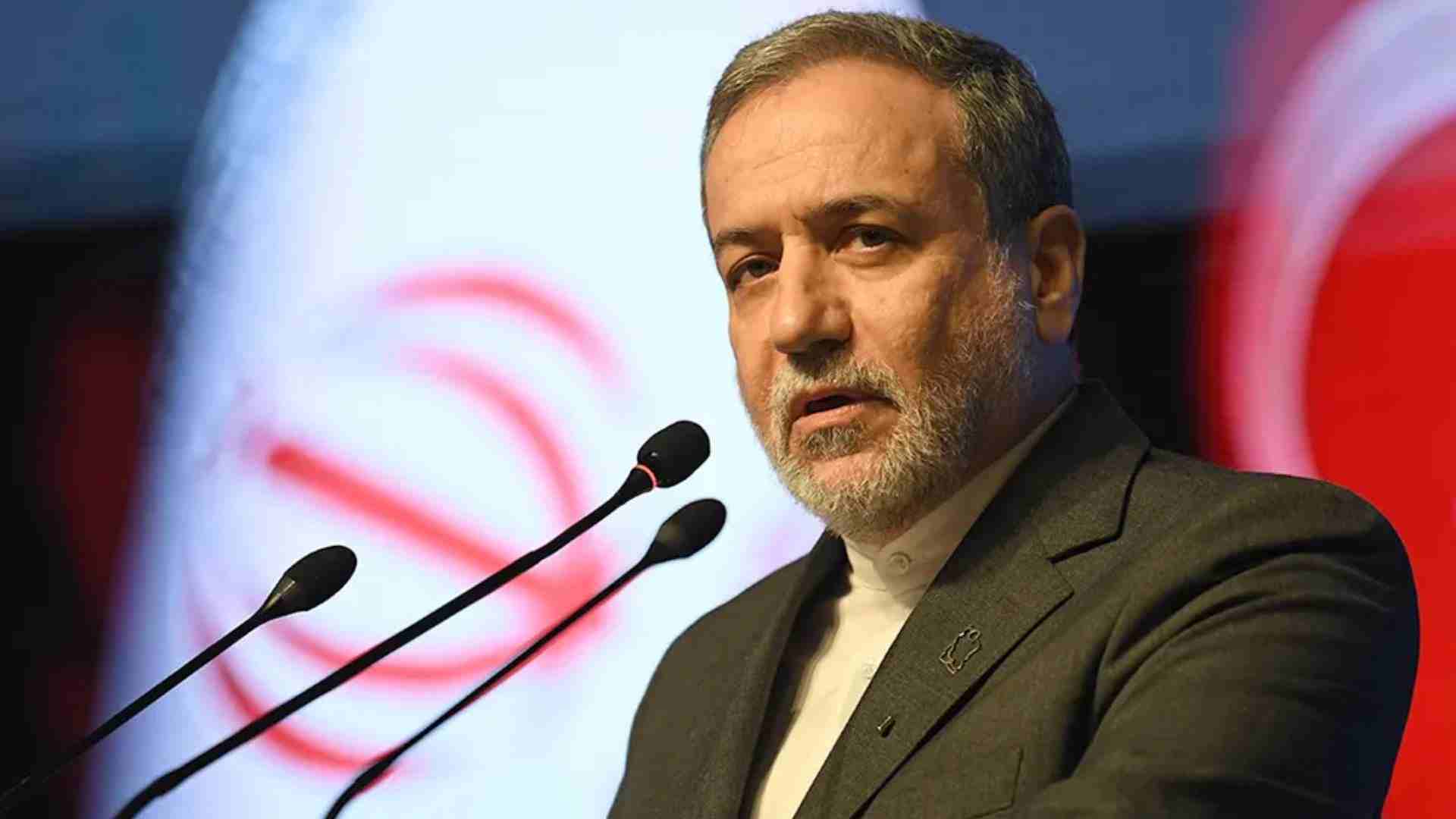

Iranian Foreign Minister Abbas Araghchi has played down comments by US President Donald Trump about a possible meeting with Iran’s new Supreme Leader, Mojtaba Khamenei. Speaking to Al Mayadeen, Araghchi said people should view such remarks realistically rather than speculate about future meetings.
“I saw a report which apparently said that he (Trump) had stated that he was ready for a meeting or that he wanted to hold a meeting,” Araghchi said.
“I think we should be realistic and think and live in the real world.”
Araghchi Highlights Khamenei’s Leadership Role
Araghchi also spoke about Mojtaba Khamenei’s position since taking over as Iran’s supreme leader.
According to a report by Iran International, the foreign minister said security agencies have advised limiting the leader’s public appearances because of security concerns.
He explained that government officials remain in constant contact with Khamenei and continue to receive his guidance on national matters.
Araghchi said the new supreme leader plays a central role in the country's decision-making process.
“Mojtaba Khamenei is now the leader of the Islamic Republic and has a very close and influential role in the country’s developments,” Iran International quoted Araghchi as saying. “He has full control of affairs.”
He also stressed that Iran’s leadership structure remains unchanged despite the transition.
“The same level of obedience and loyalty that existed toward the martyred leader now exists exactly toward the new leader of the revolution,” he added.
Trump Says He Would Be Open to a Meeting
Araghchi’s remarks came one day after Trump said he would be willing to meet Mojtaba Khamenei if such a meeting helped secure an agreement between Washington and Tehran.
Speaking to reporters at the White House, Trump described the possibility as part of future diplomatic efforts.
“I don’t want to meet, but if I did meet, I’d be honored to meet him. I’d like to see if we make a deal, but if we make a deal, it’s possible that I would meet him. I’d be okay with it,” Trump said.
The US president added that he had not personally proposed such a meeting.
“I haven’t really heard too much about it. I didn’t suggest it (a meeting), but some people have suggested it. If it happened, it would be happening. I’d be respectful. I would say I’m not his favorite person, but with that being said, he’s probably a professional. In some circles he has a very good reputation, actually,” he said.
Mojtaba Khamenei Took Over After Father’s Death
Mojtaba Khamenei became Iran’s supreme leader in March following the death of his father, Ali Khamenei. Ali Khamenei died in US-Israeli strikes on February 28. His death marked one of the most significant developments in Iran’s political leadership in decades.
The transition placed Mojtaba Khamenei at the head of the Islamic Republic during a period of heightened regional tensions.
Araghchi Recalls Attack on Supreme Leader’s Office
During the interview, Araghchi revealed that he was inside the supreme leader’s office when the strike that killed Ali Khamenei took place. However, he escaped unharmed because he was in another section of the building at the time of the attack.
His comments offered a rare account of the events surrounding the strike that dramatically changed Iran’s leadership.
Strikes Triggered Regional Escalation
The attack that killed Ali Khamenei sharply increased tensions across the Middle East. In response, Iran launched missile and drone attacks against Israel and several US allies in the Gulf region.
The escalation deepened regional instability and added urgency to diplomatic efforts aimed at preventing a wider conflict.