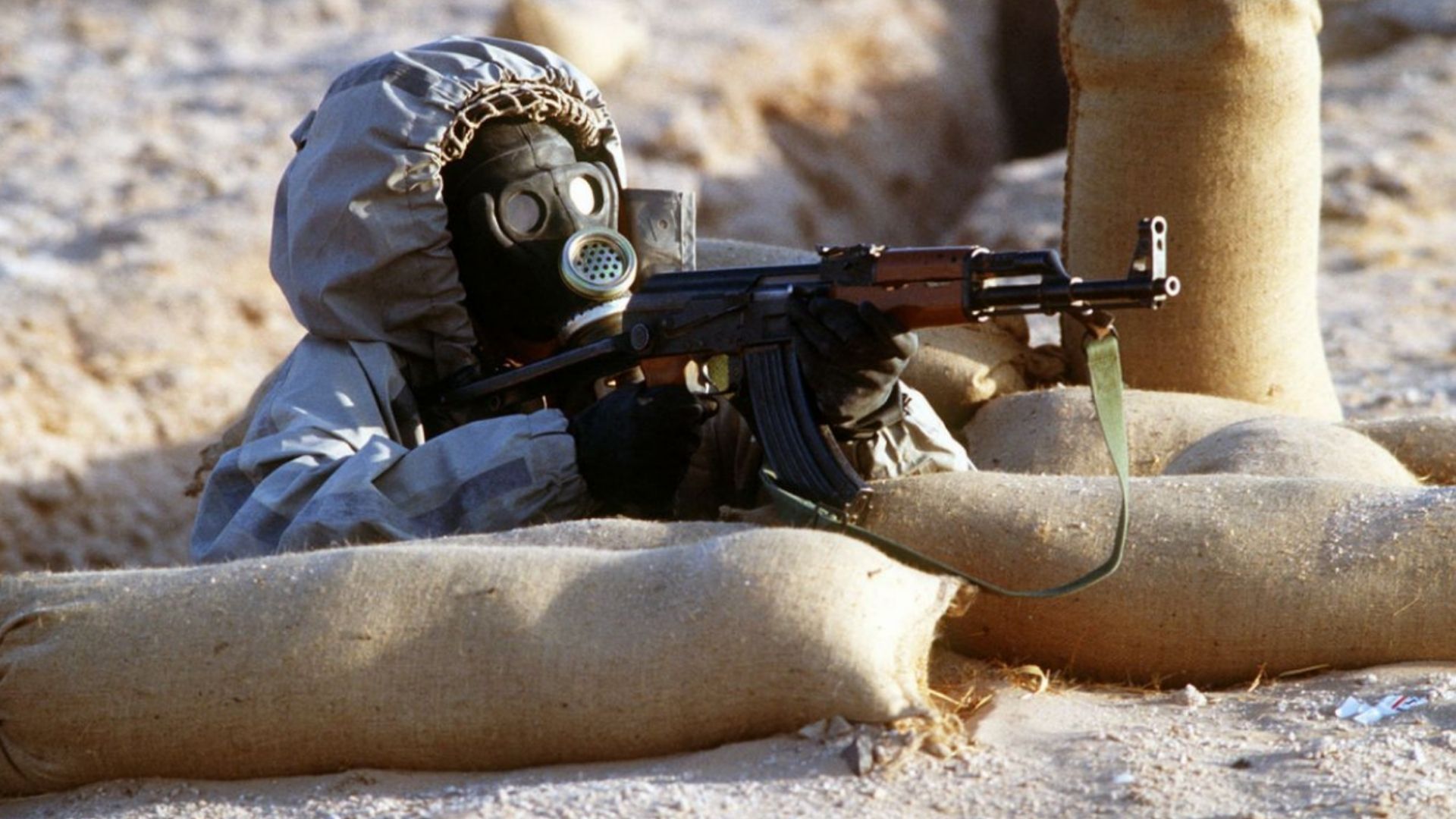
Syria struggles to eliminate its chemical weapons program despite the end of Bashar al-Assad’s rule. Unresolved stockpile records, security threats, and a history of chemical attacks create significant obstacles.
A History of Chemical Attacks
For years, Assad’s forces allegedly used chemical weapons against civilians. The 2013 sarin gas attack in Ghouta killed over 1,100 people and triggered global condemnation.
In response,
Syria joined the Chemical Weapons Convention (CWC) and pledged to destroy its arsenal under the Organisation for the Prohibition of Chemical Weapons (OPCW). However, doubts persist over full compliance.
“It is ‘undeniable’ that the previous authorities in Syria did not declare the full extent of its chemical weapons programme and that they continued to use, and possibly produce, chemical weapons after joining the Convention,” said Izumi Nakamitsu, UN High Representative for Disarmament Affairs, at a UN Security Council briefing on March 7.
Syria’s new caretaker government has signaled cooperation, but dismantling the program remains a complex task.
Unresolved Stockpile Concerns
The OPCW determined that Assad’s regime failed to fully disclose its chemical weapons program, even after 20 amendments to its original declaration.
Reports confirm multiple chemical attacks occurred after Syria joined the CWC in 2013. Evidence suggests Syrian Armed Forces carried out these attacks, raising fears of undisclosed stockpiles.
Syria’s new leadership promises transparency. In response, the OPCW plans to deploy a technical team to Damascus and establish a permanent inspection presence.
However, significant obstacles remain.
Security Risks and Political Instability
Syria remains unstable. Fighting continues between the caretaker government’s forces and Assad loyalists, particularly in coastal areas.
The Syrian Observatory for Human Rights reports more than 1,000 deaths in two days due to clashes and revenge killings.
UN Special Envoy Geir Pedersen describes the situation as highly volatile.
Ongoing violence threatens OPCW inspectors and disarmament teams, making verification and elimination efforts dangerous.
Trust Issues and Logistical Challenges
To ensure compliance, the OPCW plans to maintain a permanent presence in Damascus and conduct joint inspections.
However, logistical challenges and deep mistrust between Syria and the international community could delay progress.
Global Support Needed
Despite cooperation from Syria’s new government, the OPCW lacks sufficient resources to dismantle the chemical weapons program without international assistance.
“In order to accomplish all the tasks needed to rid Syria of all chemical weapons, the OPCW Technical Secretariat and the new authorities in Syria will require strong support and additional resources from the international community,” Nakamitsu stated.
The UN has pledged support, but divisions among Security Council members may slow efforts. Syria’s chemical weapons issue extends beyond national concerns—it remains a global security risk.
The Path Forward
With Assad gone, Syria has a chance to move past its chemical weapons legacy. However, it must resolve stockpile discrepancies, ensure inspector safety, and prevent remaining weapons from falling into the wrong hands.
The process will be long and challenging. Failing to eliminate Syria’s chemical weapons completely could create a significant global security threat.