
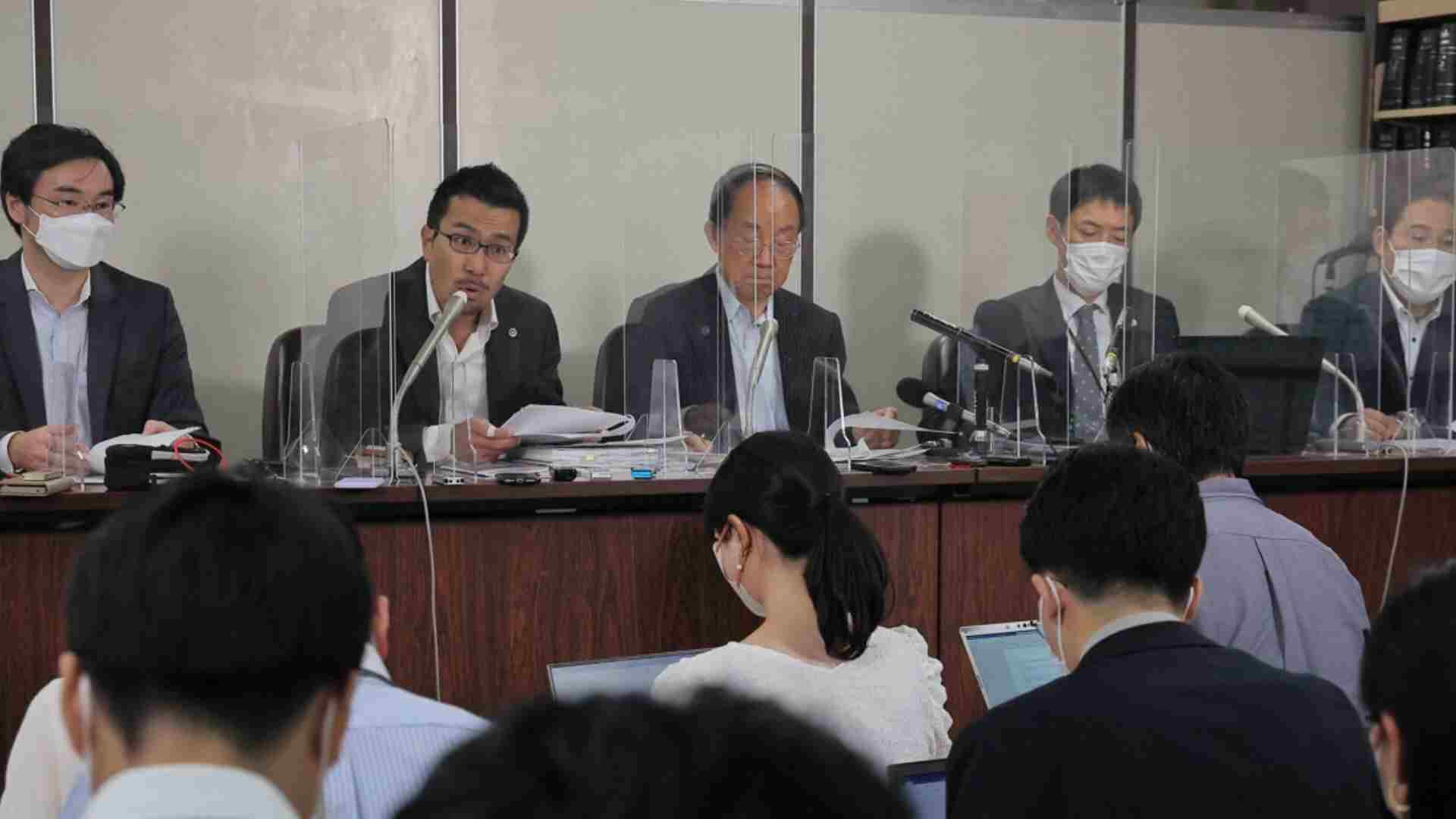

A Tokyo court ruled to revoke the Unification Church’s legal status in Japan. The decision came after the government accused the church of manipulative fundraising and harmful recruitment tactics. This ruling means the church will lose its tax-exempt status and must liquidate its assets.
What Is the Unification Church?
Founded in South Korea in 1954 by Rev. Sun Myung Moon, the church promotes conservative, family-oriented values. It is known for mass weddings where couples, often from different countries, are paired together. The church, officially called the Family Federation for World Peace and Unification, claims millions of members worldwide, including many in Japan.Why Is the Church Controversial?
The Unification Church has long faced accusations of forcing followers to donate large sums of money. Many families have sued, claiming their loved ones were manipulated into giving away their life savings. However, the church largely avoided government action due to its strong political connections.What Sparked the Investigation?
The church faced renewed scrutiny after the 2022 assassination of former Prime Minister Shinzo Abe. The accused gunman blamed the church for his family's financial ruin and targeted Abe due to his connections with the group. This tragic event led to widespread public outrage and a deeper investigation into the church’s influence.Why Did Japan Order Its Dissolution?
In October 2023, Japan’s Education Ministry asked the court to dissolve the church. The government accused it of using fear tactics, pressuring followers into excessive donations, and causing financial harm to families. On Tuesday, the Tokyo District Court agreed, stating that the church’s misconduct was widespread and ongoing. The court also ruled that the church was unlikely to reform voluntarily.How Has the Church Responded?
The Unification Church called the ruling “unjust” and a threat to religious freedom. It announced plans to appeal to Japan’s highest court. Church leaders argue that the decision is based on a misinterpretation of the law and unfairly targets their organization.Have Other Religious Groups Faced Dissolution in Japan?
Yes, but under different circumstances. The Unification Church is the first group to lose its legal status under Japan’s civil code. Previously, Japan dissolved two groups over criminal activities:- Aum Shinrikyo – A doomsday cult responsible for the deadly 1995 sarin gas attack in Tokyo.
- Myokakuji Group – A religious organization whose leaders were convicted of fraud.