
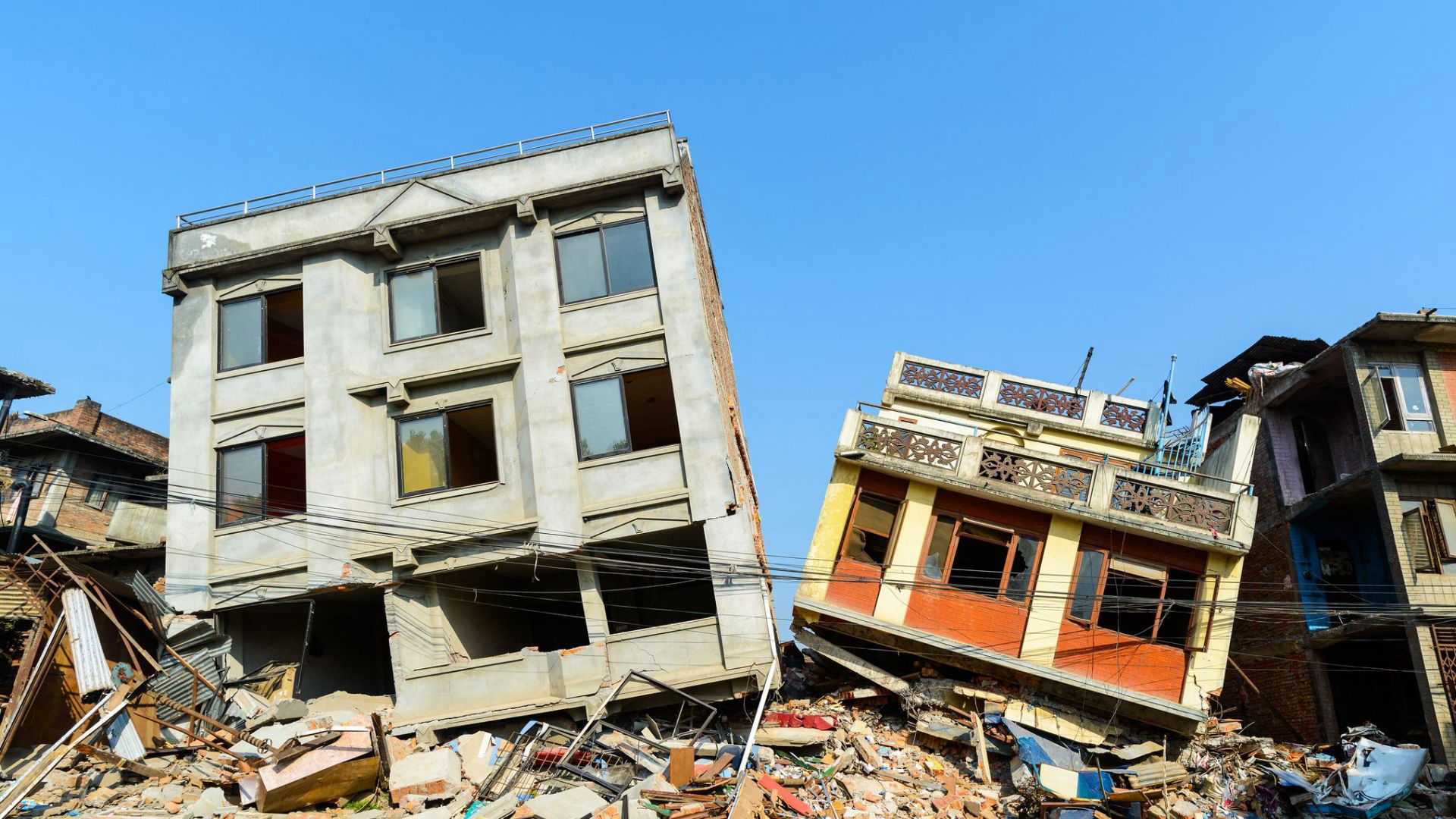

A strong earthquake hit the New Island region of Papua New Guinea on Saturday, causing brief panic but no major damage. According to the US Geological Survey (USGS), the quake had a magnitude of 6.2 and struck about 115 kilometers southeast of Kokopo, a town on the island of New Britain.
The earthquake occurred deep underground, with its epicenter located 72 kilometers (44 miles) below the earth’s surface. Experts say such deep earthquakes are less likely to cause destruction compared to shallow ones, but they can still be widely felt across the region.
Locals Felt the Shaking but Reported No Serious Impact
Although the quake had significant strength, early reports suggest it did not lead to serious damage or casualties. In Kokopo, a popular town known for its resorts, local residents said the shaking lasted nearly a minute but caused no disruption.
Emonck Abelis, who works as a receptionist at the Kokopo Beach Bungalow Resort, shared his experience. He said the tremor was noticeable but didn’t leave behind any destruction. “No damage around the area,” he confirmed.
Papua New Guinea Lies on the ‘Ring of Fire’
Papua New Guinea experiences frequent earthquakes due to its location along the Pacific "Ring of Fire." This region includes many countries and islands that are positioned where several tectonic plates meet. These plates constantly move and sometimes collide, which causes earthquakes and volcanic eruptions.
The Ring of Fire stretches across several parts of Southeast Asia and the Pacific Ocean. Countries like Indonesia, Japan, the Philippines, and Papua New Guinea are all affected by its geological activity.
Risk of Landslides in Mountainous Areas
While Saturday’s earthquake didn’t cause damage, officials continue to monitor the situation. Earthquakes in Papua New Guinea can sometimes trigger landslides, especially in remote or hilly areas. These landslides can block roads, damage villages, and cut off access to supplies and services.
Even though most earthquakes in this part of the world don’t cause major destruction, local authorities remain cautious because of the country’s rugged terrain and limited infrastructure in some regions.
No Tsunami Warning Issued
Since the earthquake struck far inland and at a deep depth, no tsunami warning was issued. Tsunamis are more likely to occur when strong earthquakes hit under the ocean and disturb the water significantly.
So far, emergency services have not received reports of injuries or severe building damage. However, they remain on alert in case of aftershocks or new developments.
This 6.2-magnitude earthquake serves as another reminder of Papua New Guinea’s position in a highly active seismic zone. While it caused no immediate harm this time, the risk of future earthquakes and natural disasters remains high in the region.