
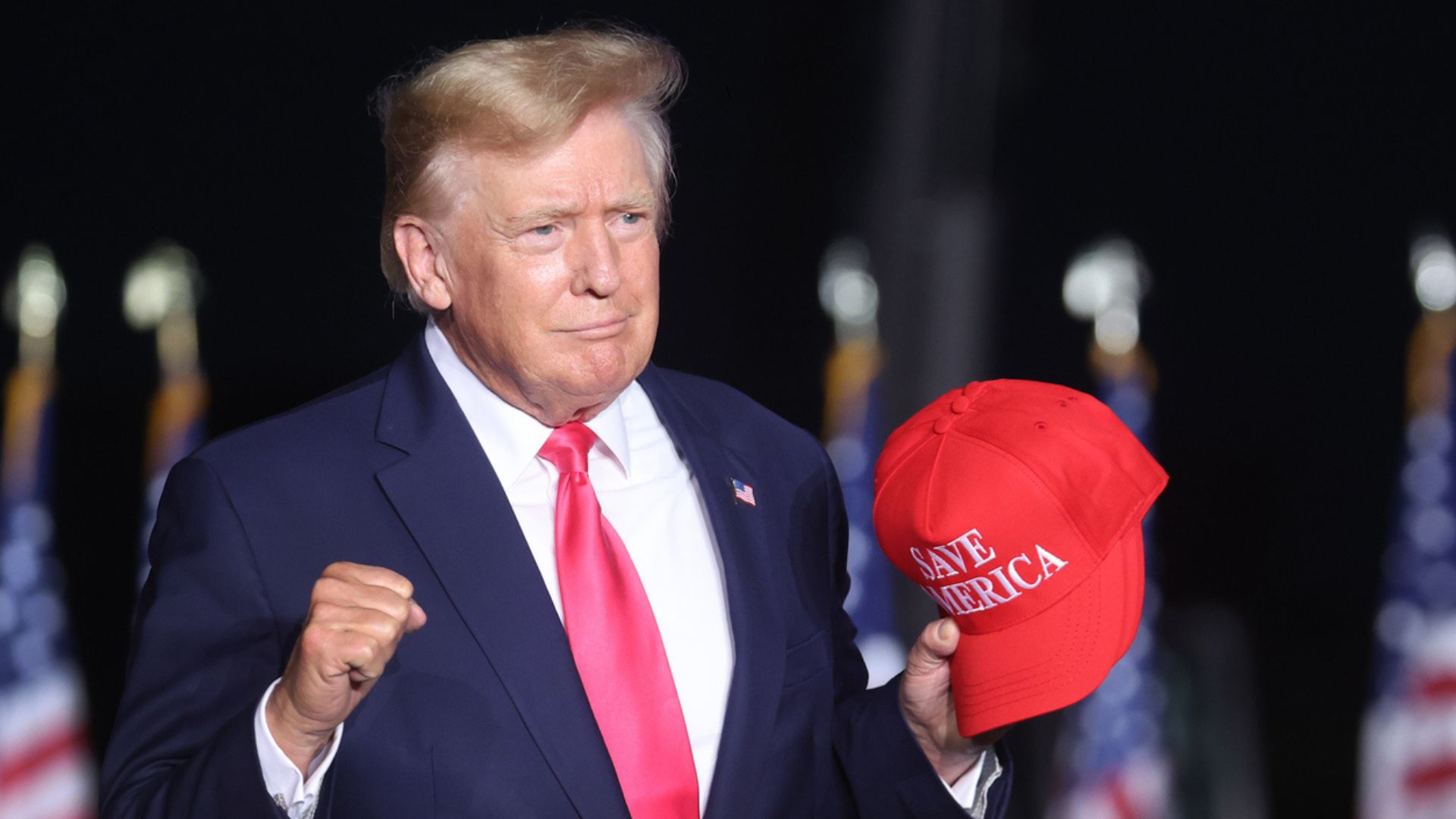

The Trump administration has shifted focus to American families. It is rolling out new measures to tackle the country’s falling birth rate. These proposals aim to support childbirth, promote marriage, and help families grow. The New York Times first reported this shift.
Falling Birth Rate Sparks Concern
America's fertility rate now stands at 1.62 births per woman. That is much lower than the replacement level of 2.1. Experts warn this drop could hurt the economy, shrink the workforce, and upset the age balance in society.
Therefore, the administration wants to make family life a top priority. It has launched both a policy plan and a cultural push to revive family values.
Key Ideas Under Review
One major idea is a $5,000 bonus for every new baby born in the U.S. This money would ease the financial burden on new parents. It also sends a clear message: the government supports having children.
Another plan involves changing Fulbright scholarship rules. Up to 30% of these scholarships could go to people who are married or have children. This move shifts focus from academics to family status.
The government may also introduce a National Medal of Motherhood. Women with six or more children could receive it. Though symbolic, this idea honors large families.
IVF Support and Fertility Education
The administration also wants to improve access to fertility treatments. It plans to lower IVF costs and make the process easier. A detailed report on this plan will come out in May. Back in February, Trump signed an executive order to make reproductive care more affordable.
In addition, new public programs will teach people about fertility. These classes will explain ovulation and early signs of infertility. Supporters hope this knowledge helps couples plan children earlier.
Broad Support, High-Profile Backers
The push for higher birth rates has support from both political and tech leaders. Vice President JD Vance, a father of three, has openly backed this move. Elon Musk, a father of 12, also supports the cause. He believes low birth rates could hurt civilization.
Trump himself has made this issue central to his second term. At CPAC 2023, he said, “We will support baby booms and we will support baby bonuses for a new baby boom. I want a baby boom.” He also called himself the “fertilisation president” and talks often about boosting birth rates.
These family-focused policies align with the administration’s Project 2025. This roadmap aims to make the family the core of American life. While Trump’s first term focused on trade and deregulation, this new phase centers on domestic and cultural changes.
Different Views on How to Fix the Issue
However, not everyone agrees on the best solution. Some Christian conservatives blame cultural issues, like fewer marriages and changing gender roles. Others, like Musk, prefer tech solutions such as IVF.
There is also debate over ethics. Some conservatives distrust IVF due to embryo concerns. Others, like Emma Waters of the Heritage Foundation, support natural fertility education. She said, “Pronatalism strictly speaks to having more babies,” but added that the real goal is “more families formed.”
Criticism and Concerns
Critics say these proposals could exclude certain groups. They fear the focus on “traditional families” may leave out LGBTQ+ parents, adoptive families, and single parents.
Some experts also question the science behind fertility education. Dr. Eve Feinberg from Northwestern University said, “This is not actual medicine.” Still, she supports more funding for women’s health and fertility research.
Simone Collins, a pronatalist advocate, says the movement is gaining ground. She points to the large number of children among administration officials. “You didn’t hear about kids in the same way under Biden,” she told The New York Times.
What Happens Next?
Many of these ideas, such as baby bonuses and tax credits, need Congress to approve them. Lawmakers may challenge or change them during debates. Also, budget issues may slow down some of these family support plans.
Still, the administration is moving forward. It is open to ideas from experts and the public. Lyman Stone from the Institute for Family Studies confirmed this. “The Trump administration is listening to a lot of different ideas and soliciting input on all of this,” he said.