
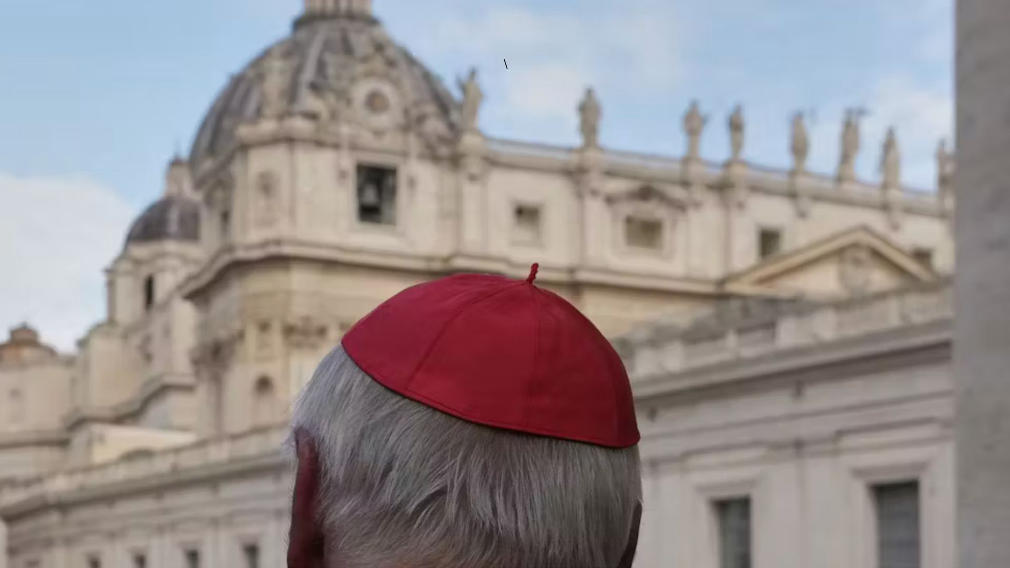

Catholic cardinals will begin the process of electing a new pope on May 7, two days later than expected. They postponed the start to allow more time for introductions and building consensus ahead of the voting inside the Sistine Chapel.
Informal Meetings Begin After Pope Francis’ Funeral
Cardinals set the voting date during their first informal meeting following Pope Francis' funeral on Saturday. Outside the venue, journalists asked about the atmosphere inside and the timing of the conclave. A satirical reporter even questioned whether a convicted Italian cardinal would be allowed to vote.
Cardinals Urge Unity Amid Varied Expectations
Argentine Cardinal Angel Sixto Rossi, 66, expressed hope for solidarity, saying, “There is the hope of unity.” Many cardinals support continuing Pope Francis’ focus on the poor and his stance against war. However, some conservatives prefer a return to more traditional teachings backed by Pope John Paul II and Pope Benedict XVI.
British Cardinal Vincent Nichols, 79, emphasized the need for unity, stating, “The role of the pope is to essentially hold us together and that's the grace we've been given from God.” He also said he didn’t see major divisions among the cardinals.
Meanwhile, Venezuelan Cardinal Baltazar Porras believes the conclave will move quickly. He predicted a decision “between two and three days.”
New Faces, Different Backgrounds
Of the 135 cardinals eligible to vote, 108 were appointed by Pope Francis. Most of them come from outside Europe, creating a diverse group. However, many haven't worked closely before. As Cardinal Nichols noted, “We’ve got all week.”
So far, one Spanish cardinal has opted out due to health issues.
Questions Around Cardinal Becciu’s Status
A key point of confusion is whether Cardinal Angelo Becciu can vote. Pope Francis removed him from office in 2020 over financial misconduct. A Vatican court convicted him in 2023, but he is currently appealing.
Though he’s attending meetings, the Vatican lists him as a non-elector. Becciu had earlier said he wouldn’t vote again, but he now claims voting rights. Canon lawyers are reviewing church rules to settle the matter.
Uncertainty Over Francis’ Successor
Even though Pope Francis appointed most voters, it doesn’t ensure the next pope will share his views. On Monday, reporters followed every cardinal near St. Peter’s Square. One leading contender, Italian Cardinal Matteo Zuppi, smiled and waved but avoided serious questions.
At the same time, Nigerian Cardinal John Onaiyekan, 81 and ineligible to vote, reminded everyone of the mission: “We have not come here for a political rally. We have come to get a pope out.”
Last year, African bishops rejected Pope Francis’ decision to allow blessings for same-sex couples. Because of this, some believe the 18 African cardinal electors might oppose a progressive choice.
Global Voices Share Their Thoughts
Indian Cardinal Anthony Poola, 61, expressed a sense of togetherness but admitted the outcome is uncertain. “Anyone who is coming up must be the successor of St. Peter, and we all hope that he will be a good pope,” he said. He is one of four Indian electors—three chosen by Pope Francis.
Cardinal Rossi of Argentina also hopes the next pope will continue Francis’ legacy. He wants the new leader to show “mercy, closeness, charity, tenderness and faith.”