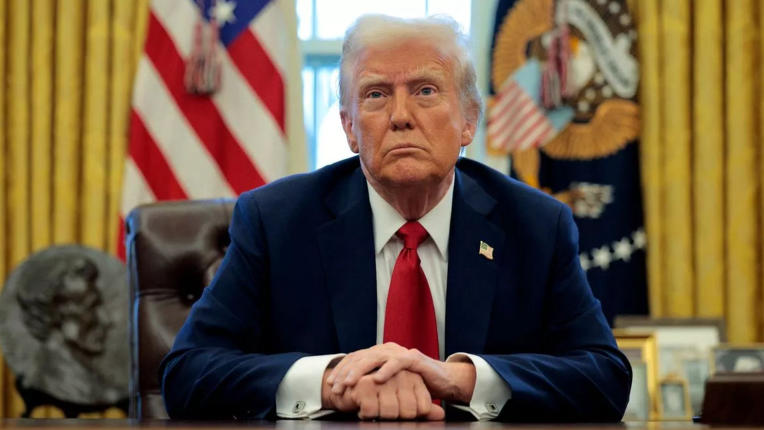
US President Donald Trump said on Monday that the war between Israel and Iran would end in a ceasefire. He stated that the 12-day conflict would stop within 24 hours. According to him, the decision came after successful airstrikes on Iran’s nuclear sites.
Agreement Shared on Social Media
Trump posted the announcement online. He wrote, “It has been fully agreed by and between Israel and Iran that there will be a Complete and Total CEASEFIRE.” Additionally, he shared a photo of himself holding a red cap with the message, “TRUMP WAS RIGHT ABOUT EVERYTHING.”
Neither Side Has Confirmed
So far, neither
Iran nor Israel has officially confirmed the ceasefire. Even though the White House shared Trump’s post, it did not provide further details. Therefore, many questions about the agreement remain unanswered.
Truce to Start in Phases
Trump explained how the ceasefire would work. He said it would begin with Iran, and Israel would join 12 hours later. He added, “Both sides would remain PEACEFUL and RESPECTFUL,” and the entire truce would take effect within 24 hours, starting at midnight Washington time.
Trump Says Airstrikes Brought Peace
Trump took credit for the deal. He claimed the attacks on Iran’s nuclear sites forced both countries to agree. He said, “This is a war that could have gone on for years and destroyed the entire Middle East — but it didn’t, and never will.”
Experts Warn of Ongoing Risks
Although the strikes may have damaged Iran’s nuclear program, experts warned of potential long-term consequences. They believe the attacks might push Iran to pursue nuclear weapons more aggressively.
Strikes Targeted Key Sites
Earlier, the U.S. and Israel bombed Iran’s nuclear facilities at Fordo, Natanz, and Isfahan. These attacks were meant to stop Iran from enriching uranium. However, no one knows exactly how much material Iran still has or how it plans to respond.
Peace Demands Are Clear
According to the Trump administration, Iran must stop enriching uranium if it wants lasting peace. But Iran’s next steps are uncertain. Therefore, the region’s stability remains fragile.