
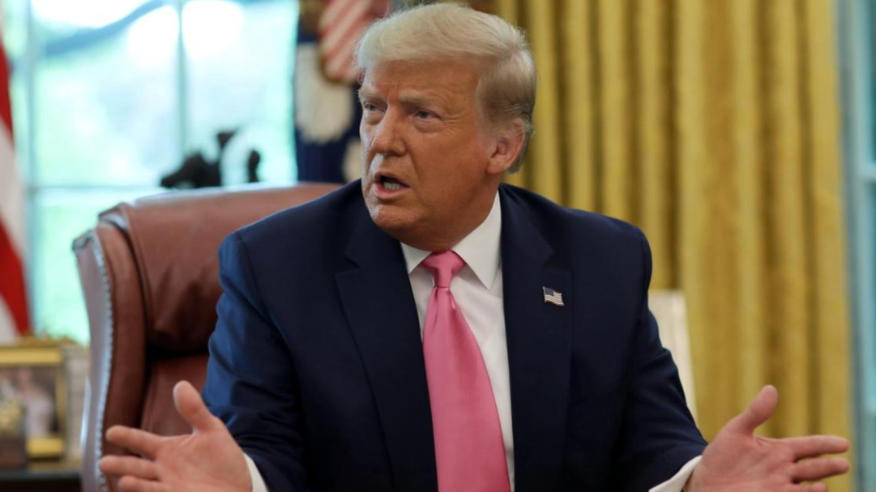

US President Donald Trump announced a new 50% tariff on copper imports, adding to previous tariffs already placed on steel and aluminum on Tuesday. He also issued a strong warning about imported pharmaceutical products, saying the US could soon impose tariffs as high as 200% after a year.
This latest trade policy decision could have serious consequences for countries like India, which exports a significant portion of copper and medicines to the US.
India Likely to Feel the Impact
In the financial year 2024–25, India exported around $2 billion worth of copper and copper products. Out of that, the United States accounted for $360 million, or about 17% of total copper exports. So, the 50% tariff on copper could hurt Indian copper manufacturers, especially those relying on the American market.
Moreover, India’s pharmaceutical industry may be at greater risk. The US remains India’s largest buyer of medicines. Drug exports from India to the US climbed to $9.8 billion in FY25, marking a 21% increase from $8.1 billion the previous year. Currently, the US makes up 40% of India’s total pharma exports.
Drugmakers Get One-Year Window
Trump confirmed that higher tariffs on imported semiconductors and pharmaceuticals are on the way. However, he noted that drugmakers will get time to adapt.
“We’re going to give people about a year, a year and a half to come in and, after that, they’re going to be tariffed,” Trump said during a Cabinet meeting at the White House.
His statement suggests that the new pharma tariffs won’t kick in immediately, giving manufacturers some time to shift operations or adjust supply chains.
A Shift in Trade Relations
This policy shift signals Trump’s tougher stance on global trade, especially in sectors like healthcare and electronics. If the proposed 200% pharma tariffs are implemented, they could disrupt the global supply of affordable medicines, many of which are manufactured in India.
While these moves aim to boost domestic US production, they also risk damaging key trade relationships, particularly with nations like India, which have long provided essential products to the American market.