
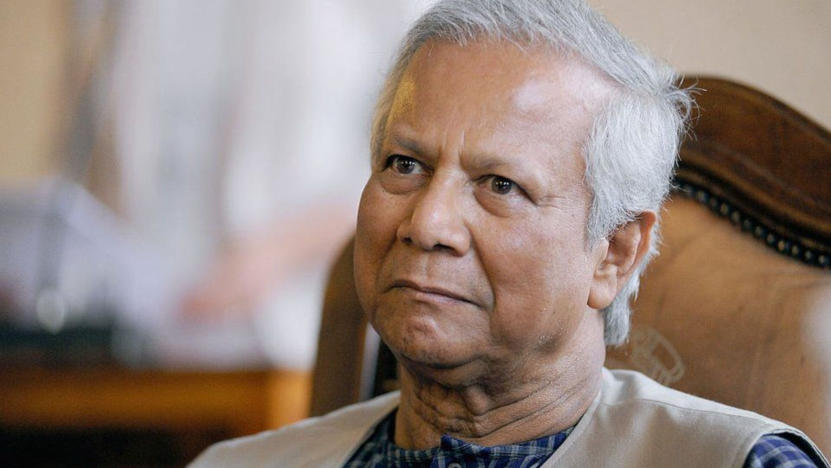

Bangladesh’s interim Chief Adviser, Professor Muhammad Yunus, has begun what many are calling "mango diplomacy" with India. According to the Dhaka Tribune, Yunus sent 1,000 kilograms of Haribhanga mangoes to Indian Prime Minister Narendra Modi and other key leaders in New Delhi over the past weekend. Bangladesh’s Ministry of Foreign Affairs organized this gesture as part of efforts to rebuild relations with India.
Besides Modi, West Bengal Chief Minister Mamata Banerjee and Tripura Chief Minister Manik Saha also received mangoes. Bangladesh’s High Commission in India confirmed that the fruits are intended for Modi’s office officials and Indian diplomats.
Mango Gifts Reflect Tradition and Strategy
Sending seasonal fruits, especially mangoes, is a long-standing tradition in South Asia. Bangladesh, in particular, has often exchanged mangoes as goodwill symbols with Indian states and leaders. However, this latest gift appears more strategic, aiming to ease tensions between Dhaka and New Delhi.
Efforts to Reconnect with India
Earlier in June, Prime Minister Modi sent Eid-ul-Adha greetings to Yunus and the people of Bangladesh. In response, Yunus thanked Modi, calling his message a reflection of “shared values” between the two countries. Yunus wrote, “I am confident that the spirit of mutual respect and understanding will continue to guide our nations.”
Both leaders exchanged messages highlighting cooperation and religious unity. However, their recent interactions signal not just tradition but also a political desire to rebuild dialogue after months of strained ties.
Why Relations Are Strained
Bangladesh’s relations with India worsened after Sheikh Hasina’s government collapsed in August 2024. Following youth-led protests that turned violent, Hasina fled to India and now lives there in exile. Since then, New Delhi has grown uncomfortable with Yunus’s interim government. Indian officials have criticized Dhaka for failing to control communal violence and for leaning towards China and Pakistan.
Bangladesh, on the other hand, accused India of interfering in its internal affairs, further deepening the rift. Meanwhile, Yunus faces pressure at home to hold early elections. Although he promised polls by late 2025, he said he will not contest.
Bangladesh’s Shift Towards China
In the past year, Bangladesh has strengthened ties with China, which now invests over $7 billion in its infrastructure and development projects. Bangladesh also carries a debt of more than $6 billion to China. It is a key participant in Beijing’s Belt and Road Initiative.
Bangladesh Cannot Ignore India
Despite growing Chinese ties, Bangladesh remains heavily dependent on India. Nearly 94% of its borders touch India, making cross-border trade vital. Bangladesh relies on India for essential imports like rice, wheat, and petroleum. More importantly, its garment industry depends on Indian textiles. Any disruption could damage Bangladesh’s economy through job losses and inflation.
India too values Bangladesh as a partner for regional security and connectivity. For both sides, practical needs outweigh political disagreements.
What Is Mango Diplomacy?
Using mangoes as diplomatic gifts is common in South Asia. In 2023, Hasina sent mangoes to Indian leaders during stalled water-sharing talks. Pakistan’s former President Zardari sent mangoes to Indian leaders in 2008, hoping to restart talks. Even India’s Rajiv Gandhi once gifted mangoes to the Philippine President in 1986.
Tripura and West Bengal often exchange seasonal fruits with Bangladesh. This year, Tripura received 300 kilograms of Haribhanga mangoes. In return, Tripura usually gifts its famous Queen pineapples.
Symbolism Behind the Mangoes
While these fruit gifts appear simple, they help maintain basic diplomatic ties during tense periods. Through “mango diplomacy,” Bangladesh hopes to open doors to repair relations with India—using tradition as a subtle political tool.