
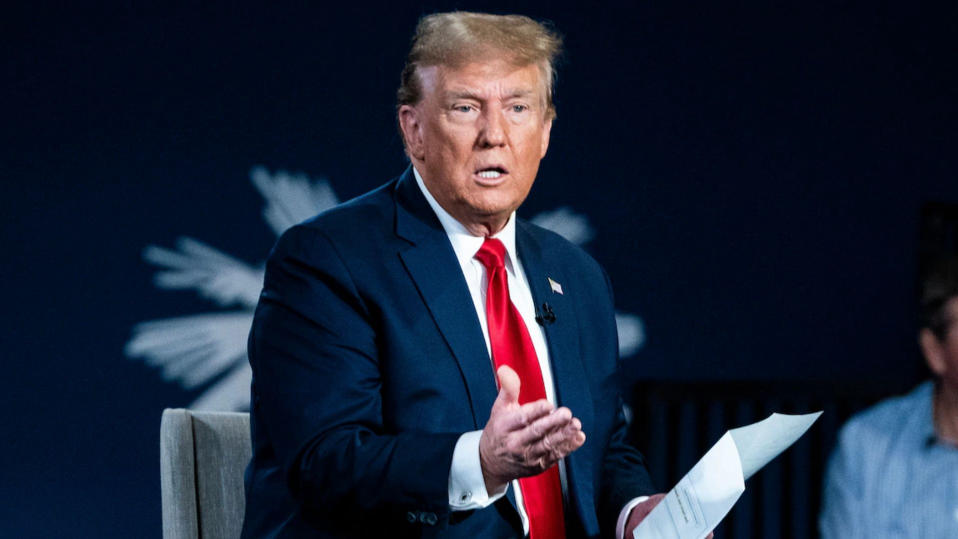

A high-level team from India’s Commerce and Industry Ministry has reached Washington to negotiate a bilateral trade agreement (BTA) with the United States. According to reports, this comes as President Trump’s administration threatens new tariffs, with a fresh deadline set for August 1.
The four-day talks are scheduled to start on Monday morning (US time). India’s chief negotiator Rajesh Agrawal, who is the special secretary in the Commerce Department, will join discussions on Wednesday. Meanwhile, other Indian officials have already begun setting the agenda and discussing procedural matters.
These talks are especially important as both sides are working to resolve disputes in key areas like agriculture and automobiles. At the same time, the US has temporarily delayed new tariffs on several countries, including India, until August 1.
When asked about a possible interim agreement before the deadline, an Indian official said, “We’re working towards a BTA. How it progresses—whether in phases—will be decided mutually. We’re aiming for a deal that benefits both sides.”
Notably, this is India’s second round of negotiations in Washington in recent weeks, after holding earlier talks from June 26 to July 2.
India Stands Firm on Dairy and Agricultural Tariffs
India is taking a tough stand on US demands for tariff cuts on agricultural and dairy products. Reports say India has so far refused to reduce duties on dairy products in any of its free trade agreements.
In return, India is demanding that the US lower tariffs on Indian steel and aluminium, which currently stand at around 50%, and 25% on automobiles. Under WTO rules, India can impose retaliatory duties if needed.
Trump’s Warning Letters and Tariff Deadlines
Earlier, President Trump announced steep new tariffs targeting many countries, including India. However, the White House has twice delayed these tariffs—first to July 9, and now to August 1.
Moreover, the Trump administration has sent tariff warning letters to trading partners such as Japan, South Korea, Bangladesh, Indonesia, Malaysia, Thailand, South Africa, and others.
The US wants India to reduce duties on several products like industrial goods, automobiles, wines, petrochemicals, and farm items such as dairy, apples, tree nuts, and genetically modified crops.
India Seeks Incentives for Key Sectors
Meanwhile, India is pushing for greater access and incentives for its labour-intensive sectors, which include textiles, gems and jewellery, leather, garments, plastics, chemicals, shrimp, oil seeds, grapes, and bananas.
Both sides hope to conclude the first phase of the BTA by September or October. However, they are also exploring the possibility of signing an interim agreement before then.
Trade between the two countries has been rising. India’s exports to the US grew by 21.78% to $17.25 billion during April-May of this financial year, while imports from the US increased by 25.8%.