
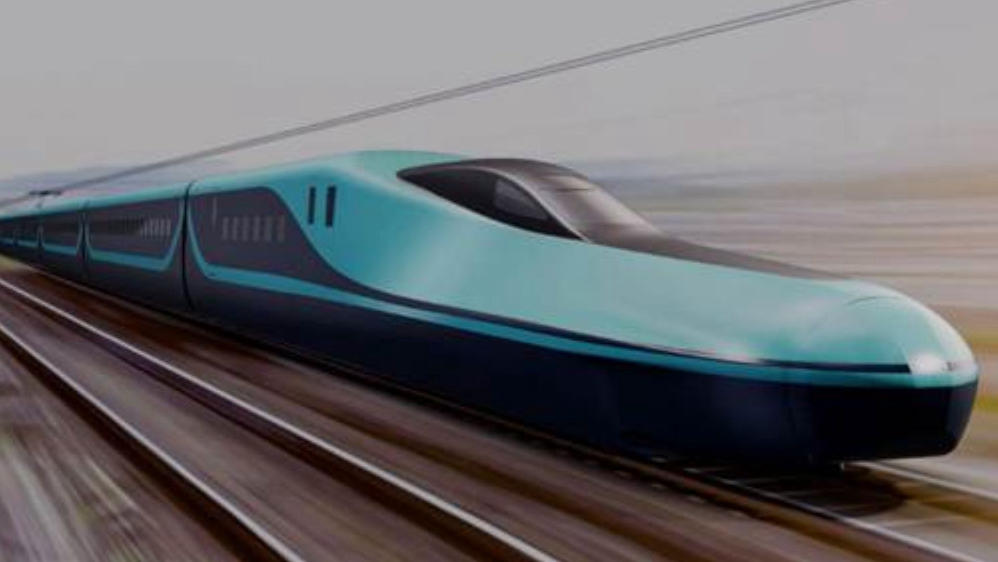

India will soon introduce the E10 Shinkansen bullet trains on its Mumbai–Ahmedabad High-Speed Rail (MAHSR) corridor, at the same time as Japan. This marks a major milestone in India-Japan cooperation and modern railway development.
An Indian Railway official said, “The E10 Shinkansen, Japan’s most advanced bullet train, will replace the current E5 series in Japan and will debut concurrently in both countries. India’s 508 km high-speed corridor between Mumbai and Ahmedabad will be the first outside Japan to fully operate the new-generation Shinkansen, reflecting Tokyo’s confidence in India as a trusted strategic and technological partner.”
🔸First section of 21 km undersea tunnel of the Bullet train project opens between Ghansoli and Shilphata in Maharashtra
— PIB India (@PIB_India) July 14, 2025
🔸Next-Gen E10 Shinkansen Trains to Power Mumbai–Ahmedabad Bullet Train under India-Japan Partnership
🔸E10 Shinkansen to Debut Simultaneously in India and… pic.twitter.com/PWNnYXlB6l
Next-Generation Bullet Trains Set New Standards
The entire Mumbai–Ahmedabad corridor will run on Japanese Shinkansen technology, known worldwide for its speed, safety, and reliability. The new E10 trains will offer better passenger comfort, energy efficiency, aerodynamic design, and resistance to earthquakes. By transferring this advanced technology to India, Japan is helping the country build modern transport infrastructure.
Project Construction Moves Ahead
Currently, construction across the high-speed rail corridor is advancing rapidly. Officials confirmed:
-
310 km of viaducts—more than 60% of the route—are already completed.
-
15 river bridges have been built, with 4 more nearing completion.
-
Out of 12 planned stations, 5 are complete, while 3 others are nearly finished.
One highlight is the underground station at Mumbai’s Bandra Kurla Complex (BKC). Built 32.5 meters below ground, it will support a 95-meter commercial tower, blending transport with urban infrastructure.
Meanwhile, India achieved a key milestone by completing a 21 km undersea tunnel between BKC and Thane—the country’s first-ever undersea rail tunnel.
System Installations and Procurement Gain Speed
Beyond civil construction, activities like track laying, electrical system installation, and signaling setup are progressing quickly. Notably, work in Maharashtra, which earlier faced delays, has picked up pace, helping accelerate the project.
More High-Speed Rail Projects Coming Soon
Encouraged by the success of the Mumbai–Ahmedabad project, India is planning several more high-speed rail corridors. Officials said these future routes are already under review, signaling a shift toward modern, fast rail transport in India.
Symbol of India-Japan Partnership
The debut of the E10 Shinkansen in India highlights the growing strategic and technological ties between India and Japan. According to a senior railway official, “This high-speed rail initiative is not only reshaping how India moves but also demonstrating its growing capability to execute complex, world-class infrastructure in collaboration with global partners.”
As the E10 bullet trains begin service in both Japan and India, the Mumbai–Ahmedabad corridor will stand as a global example of modern engineering achieved through trust, innovation, and partnership.