
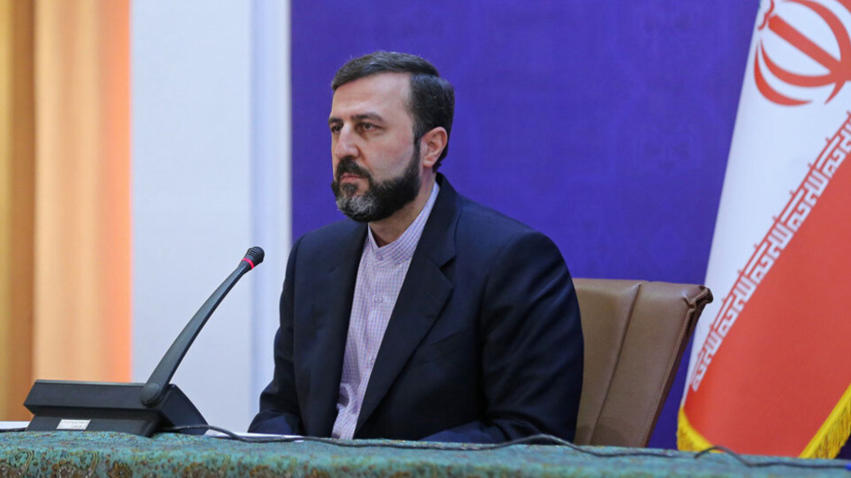

Iran has agreed to host a team from the International Atomic Energy Agency (IAEA) in the coming weeks, according to Deputy Foreign Minister Kazem Gharibabadi. The team will visit Tehran to discuss how to improve cooperation between the IAEA and Iran, not to inspect nuclear sites.
“The delegation will come to Iran to discuss the modality, not to go to the (nuclear) sites,” Gharibabadi said. He made this statement while attending UN meetings in New York.
The IAEA confirmed that its Director General Rafael Grossi is actively working with all involved parties on the ongoing concerns about Iran’s nuclear programme.
Global Concerns After Air Strikes
The IAEA has urged Iran to restore access to its nuclear facilities. This call became urgent after recent airstrikes by Israel and the United States, which targeted parts of Iran’s nuclear infrastructure. These attacks disrupted the IAEA’s ability to verify Iran’s nuclear materials, including uranium enrichment levels and facility operations.
The strikes were aimed at limiting Iran’s ability to develop nuclear weapons, although Tehran insists its nuclear programme is peaceful. Iran denies it is working on an atomic bomb.
Gharibabadi said Iran’s Atomic Energy Organization is still investigating the extent of the damage. He stated, “We do not know what has happened there … because of the risks of the radiation. Our Atomic Energy Organization is assessing, actually, the damages to the nuclear installations, and we are waiting to receive their report.”
Uncertainty Over Uranium Stocks
Diplomatic tensions have increased over the fate of around 400 kilograms of highly enriched uranium. The IAEA has not yet received a full update from Iran on this material. Officials say inspections must resume soon to help restore international trust in Iran’s nuclear intentions.
However, Iran remains cautious about sharing data. Gharibabadi claimed that the IAEA hasn’t made a formal request about the uranium. He added, “we cannot say anything now because we do not have any valid and credible report from (Iran’s) Atomic Energy Organization.” This shows that Tehran is unwilling to disclose sensitive information without stronger guarantees for safe inspections.
Fallout from IAEA’s June Statement
Last month, just before the Israeli strikes, the IAEA accused Iran of violating its nuclear commitments under the Non-Proliferation Treaty (NPT). That statement angered Tehran and made future talks more difficult.
Renewed Diplomatic Efforts
Looking ahead, Gharibabadi plans to meet representatives from Britain, France, and Germany in Istanbul on Friday. These nations, along with China and Russia, still support the 2015 nuclear agreement. The deal offered Iran relief from sanctions in exchange for limits on its nuclear programme. The US withdrew from this deal in 2018.
At the same time, Iran and the United States have held five rounds of indirect talks this year. These discussions have been mediated by Oman but have yet to result in a breakthrough.