
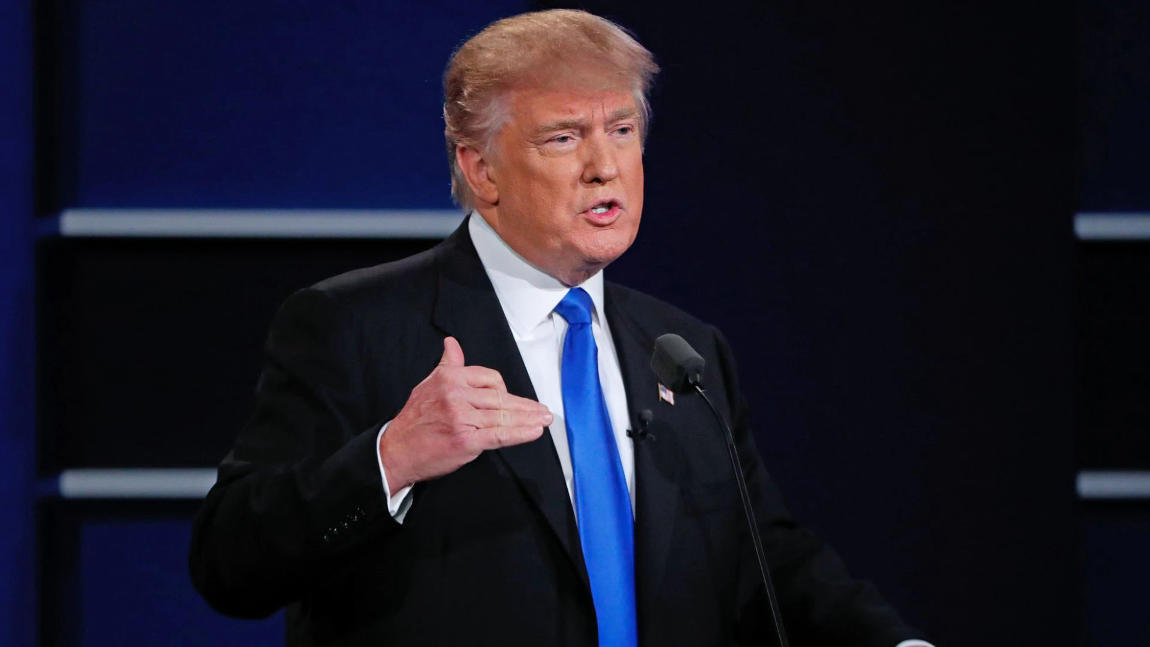

Ahead of his August 15 meeting with Russian President Vladimir Putin in Alaska, US President Donald Trump said US tariffs on India’s Russian oil purchases have damaged Moscow’s economy.
Moreover, he described India as one of Russia’s “largest or second-largest oil buyers.” He stressed India’s vital role in the global energy market.
At a White House press conference, Trump noted that Russia’s economy was “not doing well.” Furthermore, he said it had been “very well disturbed” by US trade duties and other global pressures.
“I think Russia needs to focus on rebuilding their country. It’s an enormous nation with tremendous potential,” Trump said. “Right now, they’re struggling because these tariffs and external pressures have unsettled them deeply,” PTI quoted him as saying.
India’s imports as a pressure point
In addition, Trump identified India’s oil imports from Russia as a key tool in his strategy.
“It doesn’t help when the President of the United States tells their largest or second-largest oil buyer that we’re imposing a 50 per cent tariff on any oil purchased from Russia. That was a major blow,” he said, referring to India.
Under his administration, the US placed a 25 per cent tariff on Indian goods. Then, it added another 25 per cent levy on Indian imports of Russian oil. As a result, the total tariff reached 50 per cent.
However, India strongly opposed the move. It called the decision “unfair, unjustified and unreasonable.”
Meeting plans with Putin
Meanwhile, Trump confirmed his meeting with Putin will take place in Alaska this Friday. “I think it’s very respectful that the President of Russia is coming to our country instead of us travelling to his or to a neutral location. I expect our conversations to be constructive,” he said.
Afterward, he plans to meet European leaders. Additionally, he hopes to arrange a meeting between Putin and Ukrainian President Volodymyr Zelenskyy.
Claim of ending conflicts
Finally, Trump claimed he ended five wars during his second term. He also repeated his claim of resolving the India-Pakistan conflict.
Nevertheless, India rejected this statement. It maintained that the ceasefire with Pakistan came from direct talks between the Directors General of Military Operations of both nations.