
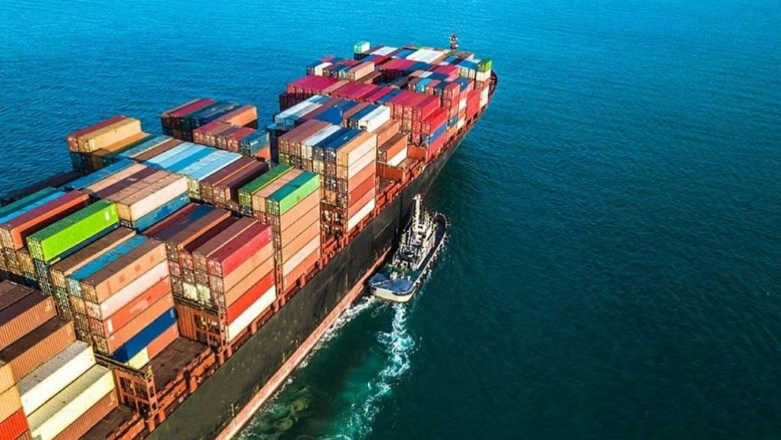

The United States has officially raised tariffs on Indian goods to 50 per cent from today at 9:31 am. Earlier, Indian exports already faced a 25 per cent duty, but the new hike comes as a direct response to New Delhi’s purchase of Russian oil. Analysts believe these duties, among the highest in the world, will severely hurt Indian exporters.
Just days before the tariffs began, Prime Minister Narendra Modi, speaking at an event in Ahmedabad, said the world was entering an era of “economic selfishness” where every nation focused only on its own interests. He declared, “No matter how high the pressure, India will continue to build its strength to withstand it.”
Exports Under Heavy Pressure
India’s export market is now directly at risk. The US is India’s biggest single export destination, accounting for nearly 20 per cent of outbound shipments. In 2024–25, India exported goods worth $434 billion, of which $86.51 billion went to the US.
With Trump’s 50 per cent tariffs now in place, most of these exports face a steep challenge. According to the Global Trade Research Initiative (GTRI), about $60.2 billion worth of goods — two-thirds of India’s exports to the US — will be directly affected. As a result, shipments could fall to $49.6 billion this year, down from almost $87 billion last year.
The most vulnerable sectors include textiles, gems and jewellery, shrimp, carpets, and furniture. GTRI predicts exports in these categories could shrink by up to 70 per cent.
As Shilan Shah, deputy chief emerging markets economist at Capital Economics, explained, “India’s attractiveness as an emerging manufacturing hub will be hugely undermined,” stressing that the extra 25 per cent tariff is “large enough to have a material impact.”
Competitors Gain an Edge
The higher tariffs not only weaken India’s position but also benefit its rivals. Countries like Vietnam, Bangladesh, Cambodia, and even China and Pakistan now enjoy cost advantages in the American market. This shift could redirect demand away from Indian products.
Job Losses Loom Large
The new tariffs also put millions of jobs in danger, especially in labour-heavy industries. Experts warn that sectors like textiles, jewellery, carpets, seafood, and furniture will suffer major job cuts if exports collapse.
Kirit Bhansali, chairman of the Gem & Jewellery Export Promotion Council, described the situation as “doomsday” for the industry.
The textile industry is particularly worried because of its thin margins. Vijay Kumar Agarwal, chairman of Creative Group, said they might shut down two out of eight factories, leading to job losses for 6,000–7,000 workers. He explained, “We will have to close down a few factories, we have to give discounts to buyers, at 50 per cent it can’t go on for long, export of textiles from India to the US will probably not exist apart from some high-value items. Honestly, we are at a loss.”
Even the Confederation of Indian Textile Industry warned that India will lose its duty advantage in the US market. The group noted that except for Bangladesh, other competitors would now enjoy a stronger foothold.
Growth Forecasts Take a Hit
Economists are cutting India’s growth outlook due to the tariffs. Gaura Sengupta, chief economist at IDFC First Bank, said the new duties could trim 0.4 per cent from India’s FY26 GDP growth.
Similarly, Sakshi Gupta, principal economist at HDFC Bank, warned that growth could slip below 6 per cent, saying, “We will have to significantly lower FY26 GDP growth forecast to below six per cent, baking in at least a 40–50 bps hit – double from our earlier estimates.”
Global investment banks have also flagged concerns. Goldman Sachs expects GDP to fall by 0.6 percentage points, while Capital Economics predicts the loss could be as high as 0.8 percentage points this year and next.
Bloomberg added that the tariffs could further hurt corporate earnings, especially for banks and IT firms, which are already facing weak performance despite recent tax cuts announced by PM Modi.
India’s Response and Next Steps
In response, Indian exporters have urged the government to roll out relief measures such as duty reimbursements. Meanwhile, the Commerce Ministry has identified 50 alternative markets to expand exports, including destinations for textiles, processed foods, leather, and marine goods.
The next few months will be critical. Exporters are waiting to see whether diplomacy can ease tensions or if India must prepare for a drawn-out trade war with the US.