
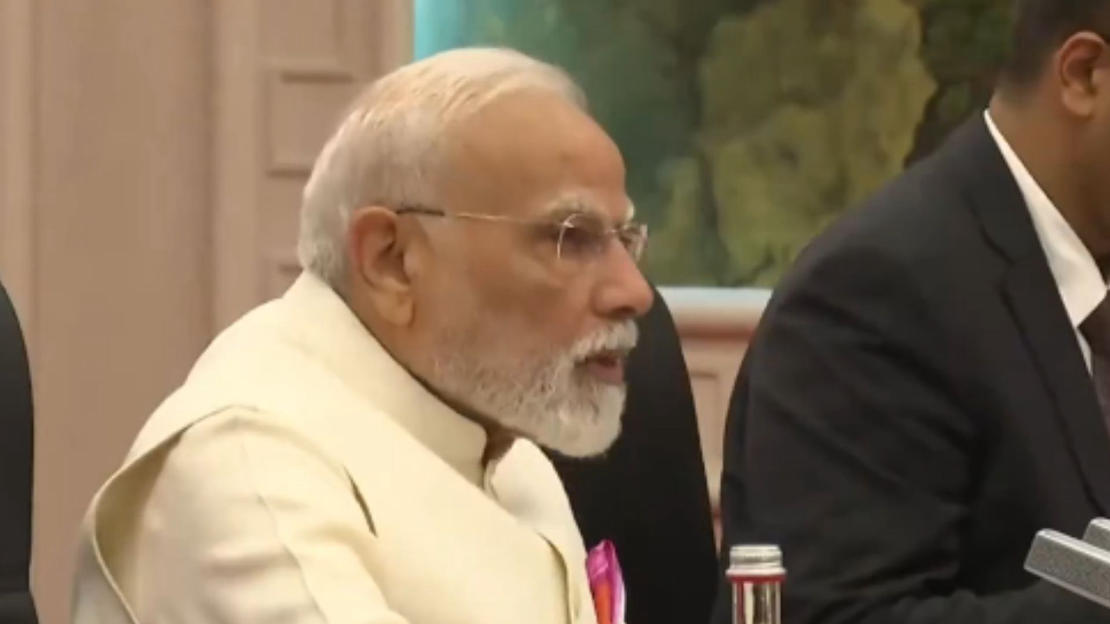

Prime Minister Narendra Modi arrived in Tianjin on Saturday for a two-day trip. During this visit, he will attend the Shanghai Cooperation Organisation (SCO) Summit, which begins on September 1.
On Sunday, ahead of the main summit, Modi held a bilateral meeting with Chinese President Xi Jinping. He thanked Xi for the invitation to join the SCO gathering.
From Kazan to Tianjin
During his opening remarks, Modi recalled their earlier meeting in Kazan. He noted the progress since then. "We had a productive meeting in Kazan. Our relationship got a positive direction. There is peace and stability on the borders. Kailash Mansarovar Yatra has resumed. Direct flights are also being started between the two countries. With cooperation between our nations, the interests of 2.8 billion people are associated - this is needed for humanity," he said.
Furthermore, Modi underlined India’s long-term vision. "We are committed to taking our relations forward based on mutual trust, respect and sensitivity," he added.
Sharing my remarks during meeting with President Xi Jinping. https://t.co/pw1OAMBWdc
— Narendra Modi (@narendramodi) August 31, 2025
Signs of Thaw in Relations
Consequently, the meeting reflects a thaw in India-China ties. Both countries are taking small steps to rebuild trust after years of tension. At the same time, the talks carry added weight because of global trade challenges.
Trump’s Tariff Moves
Meanwhile, US President Donald Trump has escalated tariff pressure on India. First, he imposed a 25 percent duty on Indian goods on Liberation Day. According to him, the step responded to New Delhi’s “highest in the world” tariffs and its participation in BRICS, as well as its decision to purchase Russian oil.
Later, Trump increased the levy by another 25 percent, taking the total to 50 percent. This penalty specifically targeted India for continuing to import Russian oil. However, Washington did not extend the same action to China, even though Beijing also buys Russian oil.